
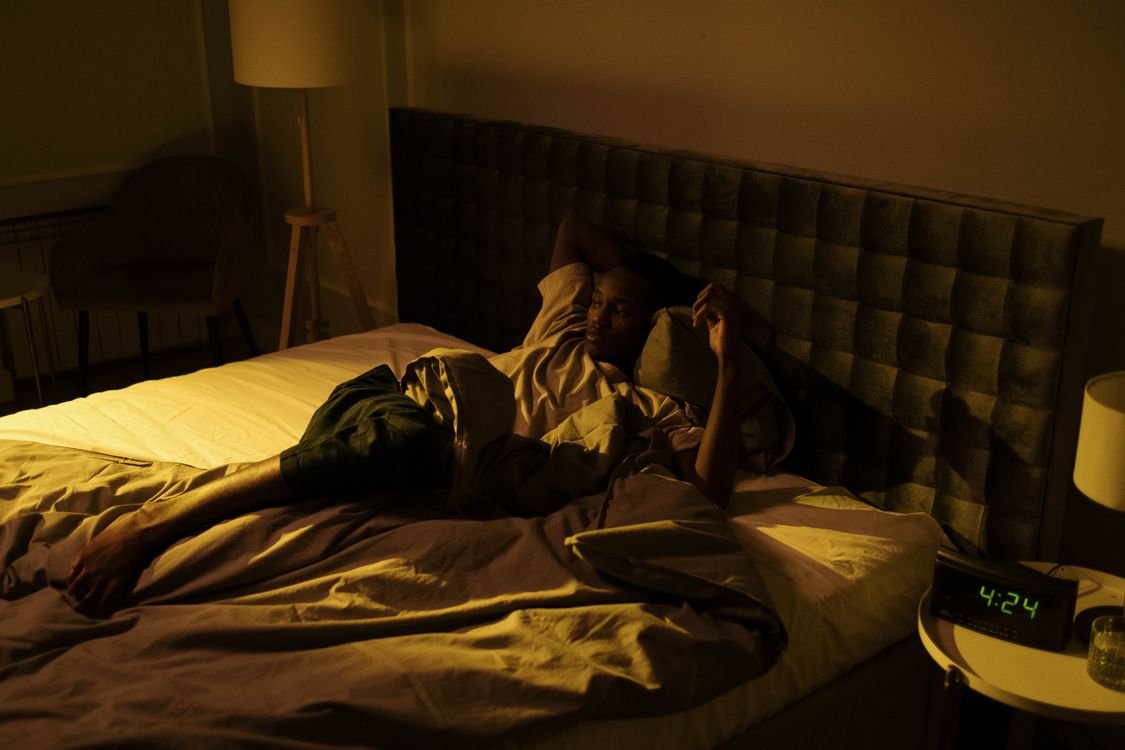
Almost everyone has had a night when sleep just would not come — a late deadline, a restless child, or a busy mind that would not switch off. The next morning feels foggy and heavy.
So it is natural to wonder: how long can you go without sleep? The honest answer is that there is no safe number of hours to stay awake. Sleep is a basic need, like food and water, and your body starts to struggle without it far sooner than most people expect. This article looks at what happens when you miss sleep, and how to get back to a healthy routine. Staying awake for long periods is not a challenge to aim for — it is something to avoid.
What Happens After One Night Without Sleep
Most people recover after a good rest, but even one missed night changes how you feel, think, and function the next day.
Your Brain Feels Slower
After a night without sleep, concentration becomes harder. You may read the same paragraph twice, lose track of conversations, or find simple decisions strangely difficult. Your reaction time slows down, which is one reason driving after a sleepless night is a bad idea. Sleep helps your brain store what you learned during the day, so skipping it can leave you forgetful and distracted.
Mood often changes too. Many people feel more irritable or emotional after a poor night, and small frustrations feel bigger than usual. If racing thoughts are the problem, learning how to stop overthinking at night can help you wind down before bed.
Your Body Feels It Too
Your body notices a missed night too. You may feel tired even after sitting still, with heavy eyelids or a dull headache. Some people feel hungrier than usual or crave sugary foods, because tiredness can affect appetite. Your immune system also relies on sleep, so you may feel run down and more likely to catch a cold. It is a reminder that sleep supports the whole body, not just the mind.
What Happens After Several Nights Without Enough Sleep
After several nights, the effects build up rather than level off.
Thinking and Mood Become Harder to Manage
After two or three nights of very little sleep, thinking can become noticeably confused. People often describe moving through a fog, struggling to follow conversations or solve everyday problems. Emotions become harder to manage too — you may feel unusually anxious, low, or tearful, or swing between moods quickly. In extreme cases, people can see or hear things that are not there. This is a sign the brain is under serious strain, and anyone experiencing it should seek help promptly.
Your Physical Health Starts to Suffer
The body struggles too when sleep debt builds up. Muscles may ache, coordination can become clumsy, and your hands may feel unsteady. You may notice sore eyes and low energy. Over time, regularly getting too little sleep is linked with blood sugar, blood pressure, and weight concerns. The longer you stay awake, the more likely you are to fall asleep without meaning to. These brief, involuntary moments of sleep — sometimes called microsleeps — last just a few seconds, but they can be dangerous, especially while driving.
Why Regular Sleep Matters So Much
Sleep is not just a pause between days. While you sleep, your brain sorts through memories, your muscles recover, and your hormones settle into balance. Most adults need around seven to nine hours a night, although the exact amount varies from person to person. You can read more in our article on how many hours of sleep do adults need. The key is regularity: going to bed and waking up at roughly the same times each day helps your body settle into a steady rhythm. A steady routine beats trying to “catch up” later.
Warning Signs That Sleep Problems Need Attention
An occasional bad night is normal, but ongoing sleep trouble deserves attention. Speak to a healthcare professional if you regularly struggle to fall asleep or stay asleep for weeks, wake up unrefreshed, or feel very sleepy during the day — especially if you fall asleep at work or while driving. Loud snoring, gasping, or brief pauses in breathing are also worth checking, as are sleep problems that affect your mood or work, or reliance on alcohol or sleeping pills to fall asleep. Our guide on insomnia and difficulty sleeping explains some common causes. If you ever feel unsafe, confused, or unwell after going without sleep, seek help straight away.
How to Get Back to a Healthy Sleep Routine
If your sleep has been out of balance, small, steady changes can make a real difference. Start with a few habits and build from there. After several poor nights, it can take a few nights of regular sleep to feel like yourself again, so be patient with yourself.
Keep a Regular Sleep Schedule
Go to bed and wake up at the same times every day, including weekends. If your schedule has drifted late, shift it gradually — by fifteen to thirty minutes at a time — rather than changing it all at once.
Create a Calm Wind-Down Routine
Give yourself thirty to sixty minutes to slow down before bed: dim the lights, put screens away, and do something relaxing, such as reading or taking a warm shower. A regular wind-down routine signals to your brain that sleep is coming.
Make Your Bedroom Sleep-Friendly
Keep your bedroom cool, dark, and quiet, and keep phones out of reach or on silent. Try to use your bed mainly for sleep, so your brain associates it with rest rather than work or worry.
Watch Caffeine, Meals, and Alcohol
Caffeine stays in your system for hours, so avoid coffee, tea, and energy drinks in the late afternoon and evening. Alcohol may make you feel drowsy at first, but it often disturbs sleep later in the night.
Get Daylight and Move Your Body
Natural daylight, especially in the morning, helps set your body clock, and a short walk outside can help. Regular physical activity during the day is also linked with better sleep, although very intense exercise right before bed can be stimulating.
Frequently Asked Questions
How long can a person go without sleep?
There is no safe length of time to go without sleep. Most people feel the effects after a single sleepless night, and they grow stronger the longer you stay awake. Rather than asking how long you can last, focus on getting the sleep your body needs.
What happens after 24 hours without sleep?
After around a full day without sleep, most people feel very tired, find it hard to concentrate, and notice their mood and reaction time are affected. Memory and decision-making become harder. Driving or anything needing full attention is best avoided.
Can you die from not sleeping?
Death from sleep loss alone is extremely rare, and it does not happen from a few bad nights. But going without sleep for long periods is dangerous: it raises the risk of accidents and harms physical and mental health. Prolonged sleep loss should always be discussed with a healthcare professional.
How can I recover after a bad night’s sleep?
Stick to your normal routine: get up at your usual time, get some daylight, eat regular meals, and avoid heavy napping. Go to bed at your usual time that evening rather than going very early. A short early-afternoon nap can help, but long or late naps can make the next night harder.
Conclusion
How long can you go without sleep? The real answer is that you should not try to find out. Sleep is essential for clear thinking, steady moods, physical health, and staying safe. One missed night leaves you foggy and tired; several nights without enough sleep make thinking and mood much harder to manage. Instead of testing your limits, protect your sleep: keep regular hours, build a calm evening routine, and watch for warning signs. If sleep problems keep coming back, talk to a healthcare professional. Good sleep is not wasted time — it is one of the simplest ways to look after yourself.
Disclaimer: This article is for general wellness information only and is not medical advice. If you have ongoing sleep problems, please speak to a qualified healthcare professional.