“Eat healthy to be healthy” sounds obvious, yet it is one of the hardest pieces of advice to follow in real life. Fast food is quick, sugary snacks are everywhere, and healthy eating can feel expensive or complicated. The truth is simpler than it looks: eating healthy is not about perfect meals or strict rules. It is about a pattern of everyday choices that, added up over time, support your energy, your mood, and your long-term health.
This guide explains what healthy eating really means, how to make it practical, and which small habits make the biggest difference.
What Does Eating Healthy Actually Mean?
Healthy eating means giving your body the nutrients it needs, most of the time, without making food stressful. It is based on whole foods — vegetables, fruits, whole grains, protein foods, and healthy fats — with processed foods and added sugar kept as occasional extras rather than daily staples.
It is not about a single superfood or a magic diet. No one food makes you healthy, and no single meal makes you unhealthy. What matters is the overall pattern of what you eat week after week.
For a solid foundation, our healthy eating guide covers the basics of building balanced meals: https://healthsy.org/healthy-eating/
Why Healthy Eating Matters
The food you eat affects more than your weight. A balanced diet supports:
- Energy: steady energy through the day, without the crash that follows sugary snacks
- Mood: nutrients that support brain health, and stable blood sugar that helps avoid irritability
- Digestion: fibre from plants keeps digestion regular and comfortable
- Immunity: vitamins and minerals from a varied diet support your body’s defences
- Long-term health: eating patterns rich in plants and whole foods are linked with better heart and metabolic health over time
You do not need to wait months to notice a difference. Many people feel more energetic and less sluggish within a week or two of eating more balanced meals.
The Building Blocks of a Healthy Diet
Vegetables and Fruits: Aim for Variety
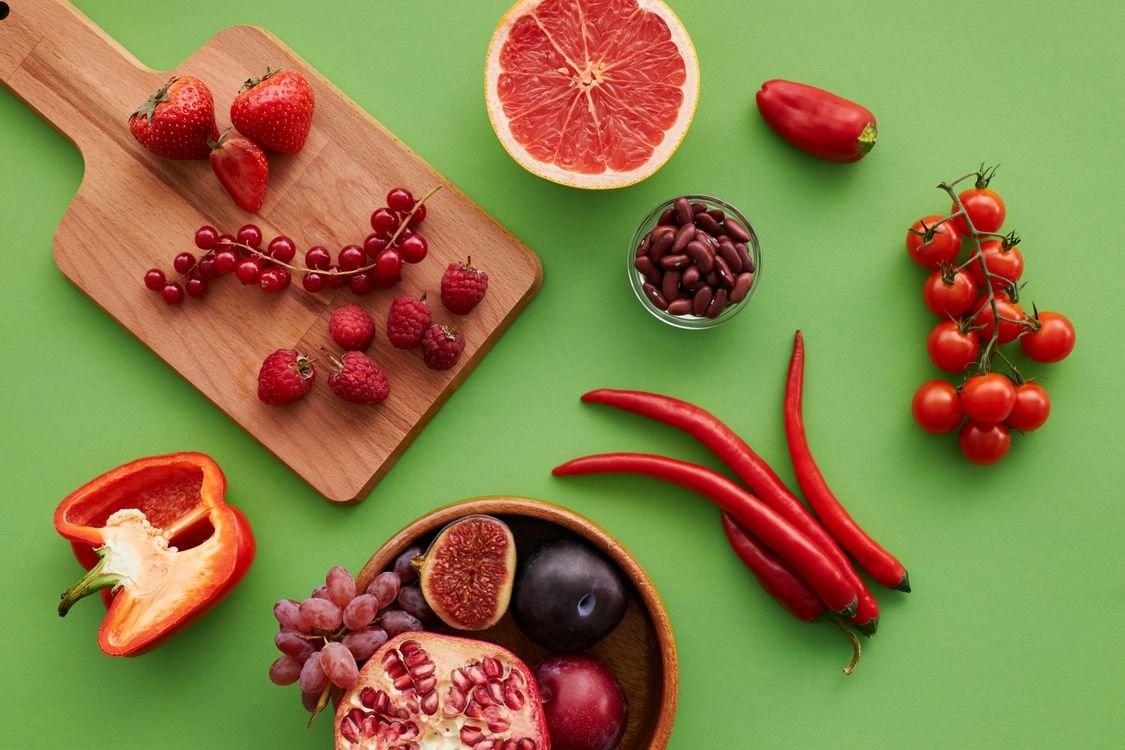
Try to eat a variety of colours — dark greens, reds, oranges, purples — because different colours often mean different nutrients. Fresh, frozen, and tinned vegetables all count, so choose what is affordable and available. Frozen vegetables are just as nutritious as fresh ones and are easy to keep on hand.
A simple target is to include a vegetable or fruit at every meal. Add berries to breakfast, a salad to lunch, and two vegetables with dinner.
Protein: The Building Material
Protein helps build and repair your body, and it keeps you full. Good everyday sources include eggs, beans, lentils, chickpeas, yoghurt, fish, chicken, and tofu. You do not need large amounts — a portion about the size of your palm at each meal is a useful guide.
Whole Grains: Slow, Steady Energy
Oats, brown rice, whole wheat bread, and quinoa provide fibre and release energy slowly. Swapping refined grains for whole-grain versions is one of the easiest upgrades you can make. For help reading labels, see our guide to the nutrition facts label: https://healthsy.org/nutrition-facts-label/
Healthy Fats: Small Amounts, Big Benefits
Olive oil, nuts, seeds, and avocado provide healthy fats that help your body absorb vitamins. A small handful of nuts or a drizzle of olive oil is enough — fats are calorie-dense, so portions matter.
Water: The Forgotten Nutrient
Water supports digestion, energy, and concentration, yet many people drink far too little. Keep a bottle nearby and sip through the day. Herbal tea and sparkling water also count.
Simple Habits That Make Healthy Eating Easy
Cook More at Home
Home-cooked meals give you control over ingredients, salt, and portions. You do not need to cook every meal from scratch — simple meals like a vegetable stir-fry, lentil soup, or grilled fish with salad take less than thirty minutes.
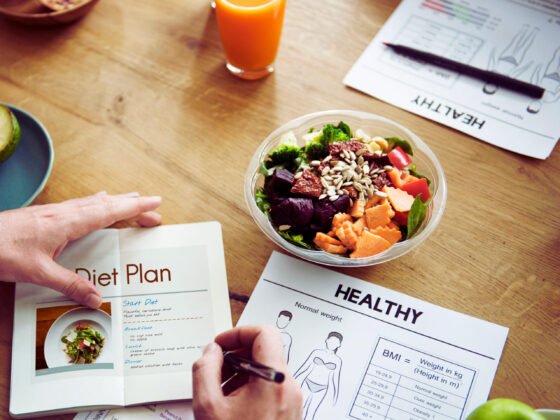
Plan Ahead, Even Roughly
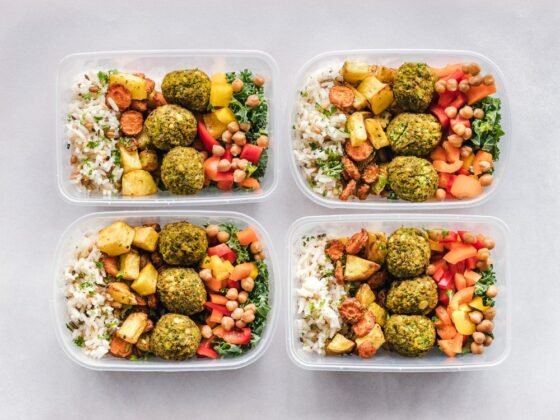
A rough plan for the next two or three days reduces last-minute takeaways. Keep a few staple ingredients at home: eggs, oats, tinned beans, frozen vegetables, whole wheat bread, and fruit. With those, a healthy meal is always possible.
Make Healthy Food Visible
Put fruit in a bowl on the counter and keep cut vegetables at eye level in the fridge. Move biscuits and crisps to a high shelf or out of the house. What you see first is usually what you eat first.
Eat Slowly and Pay Attention
Eating slowly helps you notice when you are full, and it makes meals more enjoyable. Try putting your phone away during meals, even if it is only for the first ten minutes. Our mindful eating tips explain how to build this habit gently: https://healthsy.org/mindful-eating-tips/
Enjoy Treats Without Guilt
Healthy eating includes room for the foods you love. A piece of cake at a celebration or a takeaway on a busy Friday is part of a normal life. What matters is the overall pattern, not a single meal. Guilt only makes healthy eating harder to sustain.
Healthy Eating on a Budget
Healthy food does not have to be expensive. Some of the most nutritious foods are also the cheapest:
- Lentils, beans, and chickpeas: cheap, filling, and rich in protein and fibre
- Eggs: one of the most affordable complete proteins
- Oats: inexpensive and versatile for breakfast
- Seasonal vegetables and fruit: usually cheaper and fresher than out-of-season options
- Frozen vegetables and berries: nutritious, affordable, and never wasted
Cooking in larger batches and using leftovers for lunch the next day also saves money and time.
Healthy Eating When You Are Busy
Busy days are when healthy eating usually falls apart. A few strategies help:
- Keep healthy snacks ready: fruit, nuts, yoghurt, boiled eggs
- Use simple meals: a sandwich with whole wheat bread, salad, and protein takes five minutes
- Batch cook on a quieter day: a pot of soup or lentil curry lasts for several meals
- Choose the better takeaway: grilled rather than fried, with salad instead of chips, and water instead of a sugary drink
Foods That Support Your Health
Some foods are especially worth including regularly:
- Leafy greens like spinach and kale for vitamins and minerals
- Berries for colour, flavour, and fibre
- Fatty fish like salmon or sardines a couple of times a week
- Nuts and seeds in small portions for healthy fats
- Fermented foods like yoghurt for gut health
Our article on foods that boost metabolism looks at more everyday foods that support a healthy body: https://healthsy.org/foods-that-boost-metabolism/
Conclusion
To eat healthy to be healthy, you do not need a perfect diet or expensive ingredients. You need a pattern: plenty of vegetables and fruits, protein at every meal, whole grains, healthy fats, and water — with room for the foods you enjoy. Add simple habits like cooking at home, planning roughly, and eating slowly, and healthy eating becomes part of your life rather than a chore.
Start with one change today. Add a vegetable to your next meal, swap a sugary drink for water, or cook one extra meal at home this week. Small steps, repeated daily, are how healthy eating becomes a healthy life.
FAQs
What is the simplest way to start eating healthy?
Add one vegetable or fruit to every meal and swap sugary drinks for water. These two changes alone improve most diets noticeably, and they are easy to keep up.
Is healthy eating expensive?
It does not have to be. Lentils, beans, eggs, oats, seasonal vegetables, and frozen produce are among the cheapest and most nutritious foods available.
Do I have to give up my favourite foods to eat healthy?
No. Healthy eating is about the overall pattern, not perfection. Favourite foods can stay in your diet in sensible portions, alongside plenty of nutritious foods.
How long does it take to feel the benefits of healthy eating?
Many people notice better energy and digestion within one to two weeks. Longer-term benefits build up over months of consistent habits.
Disclaimer: This article is for general wellness information only and is not medical advice. If you have a medical condition or are considering a major change to your diet, please consult a qualified healthcare professional.