Eating well does not have to be complicated, expensive, or boring. You do not need a perfect diet or foods you cannot find at your local shop. You need a simple set of everyday foods you can rely on, day after day.
This guide covers the healthy foods to eat everyday, grouped by type, so you can see what belongs on your plate and why. It also shows you how to build a balanced plate, make simple swaps, keep costs down, and plan a sample day of eating.
Vegetables: The Foundation of Every Day
Vegetables should take up the largest share of your plate. They are rich in fibre, vitamins, minerals, and water, and they add bulk and colour to meals without adding many calories. That combination helps you feel full while eating well.
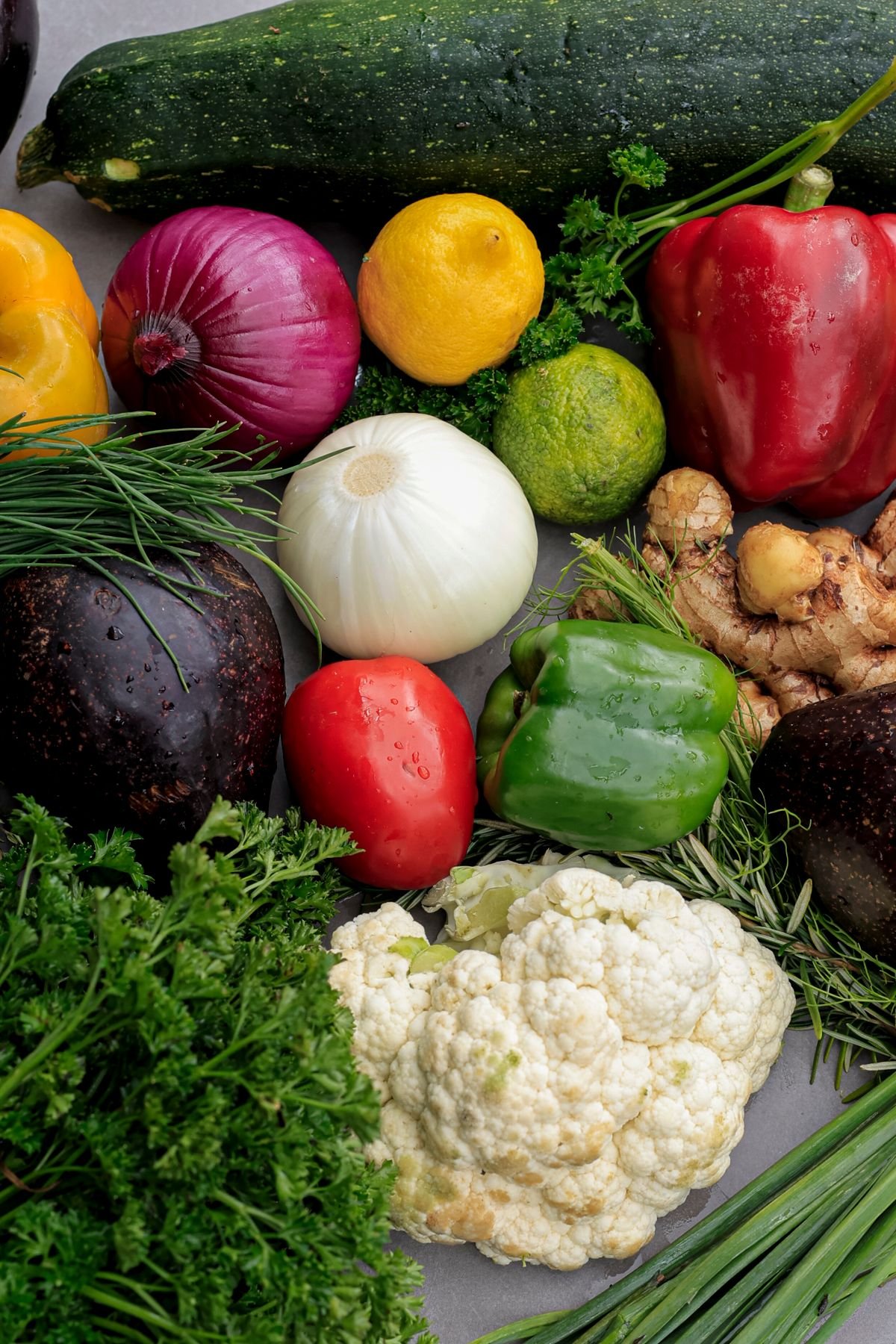
Leafy greens such as spinach and lettuce work in salads, sandwiches, soups, and smoothies. Broccoli, cauliflower, and cabbage are filling and versatile — roast, steam, or stir-fry them. Carrots, sweet potatoes, and beetroot add natural sweetness to cooked dishes and snacks. Try to include at least one vegetable with lunch and one with dinner, and fill half your plate with vegetables before adding anything else. Frozen vegetables are just as useful as fresh ones on busy days.
Fruits: Nature’s Everyday Sweetness
Fruit gives you fibre, vitamins, and natural sweetness. It is one of the easiest healthy foods to eat every day because it needs no cooking and works as a snack, a breakfast topping, or a dessert.
Berries such as blueberries and strawberries are full of colour and flavour. Apples, pears, and bananas are affordable and portable. Citrus fruits such as oranges are refreshing and add variety. Seasonal fruit is usually the freshest and cheapest, so let the season guide your choices. Aim for one or two servings of fruit a day, and eat the whole fruit rather than drinking juice — whole fruit keeps its fibre, which helps you feel full. For ideas that also support weight goals, see our guide to the best fruits for weight loss.
Whole Grains: Steady Energy That Lasts
Whole grains give you slow, steady energy. Unlike refined grains, they keep their fibre and nutrients, which helps you stay full for longer and supports healthy digestion.
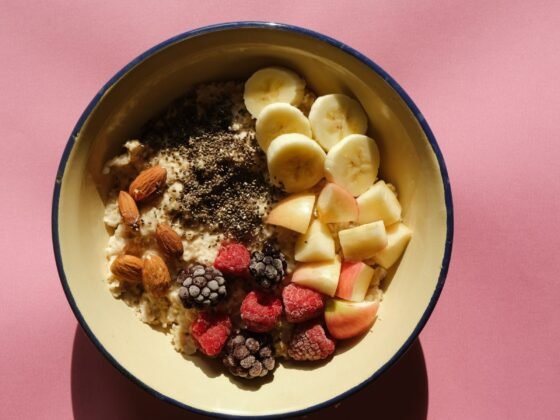
Oats are one of the simplest everyday whole grains. A bowl of porridge in the morning keeps you going for hours and pairs well with fruit, nuts, or yoghurt. Brown rice, whole wheat bread, and whole wheat pasta are easy swaps for their white versions. Quinoa, barley, and millet are worth trying if you want more variety. Make at least half of the grains you eat each day whole grains, and look for “whole wheat” or “whole grain” as the first ingredient on the label.
Protein Foods: Building Blocks for Your Body
Protein helps you feel full, supports your muscles, and keeps your energy steady between meals. Including a protein food at each meal is one of the simplest ways to make your diet more satisfying.
Eggs are affordable, quick to cook, and work for breakfast, lunch, or dinner. Lentils, chickpeas, and beans are excellent plant proteins — cheap, filling, and full of fibre — and they work in soups, salads, curries, and wraps. Fish such as salmon, sardines, and tuna provide protein along with healthy fats, so include fish a couple of times a week if you eat it. Chicken and other lean meats are also good everyday options when cooked simply, without heavy sauces or deep frying. If you eat mostly plant-based meals, combine different proteins across the day, such as lentils at lunch and chickpeas at dinner.
Dairy and Alternatives: Everyday Calcium and Protein
Dairy foods and their alternatives add protein and calcium to your daily diet. Plain yoghurt is one of the most useful: it works for breakfast with fruit and oats, as a snack, or as a lighter replacement for cream in cooking. Milk is a simple everyday choice for cereal, tea, or coffee. Cheese can be part of a healthy diet in modest amounts — a little goes a long way.
If you do not eat dairy, fortified plant alternatives such as soya milk, oat milk, or almond milk can fill the same role. Check the label for added calcium and vitamin D, and choose unsweetened versions where possible.
Healthy Fats: Small Amounts, Big Difference
Fat is not the enemy. Your body needs healthy fats for energy, for absorbing vitamins, and for keeping meals satisfying. The key is choosing the right kinds and using them in modest amounts.
Olive oil is a great everyday cooking oil and a good base for salad dressings. Avocados add creaminess to toast, salads, and wraps. Oily fish are a natural source of healthy fats, and a small handful of nuts or seeds each day adds healthy fats along with fibre and protein. Avoid relying on heavily processed fats, such as those in fried fast food, pastries, and many packaged snacks. A drizzle of olive oil will serve you far better than a deep-fried side dish.
Nuts and Seeds: Small Foods With a Big Payoff
Nuts and seeds are small, but they pack in fibre, protein, healthy fats, and minerals. Almonds, walnuts, cashews, and pistachios make easy snacks and travel well in a bag or desk drawer. Pumpkin seeds, sunflower seeds, chia seeds, and flaxseeds can be sprinkled over porridge, yoghurt, salads, or smoothies.
Portion matters because nuts are energy-dense. A small handful — about 30 grams — is a sensible daily amount. Choose unsalted nuts rather than sugar-coated or heavily salted versions. Nut butters can be a good option too; look for ones with no added sugar and a short ingredient list.
Herbs and Spices: Flavour Without the Extra Salt and Sugar
Herbs and spices are one of the easiest ways to make healthy food taste good. They add flavour without calories, sugar, or much salt, and they turn plain ingredients into meals you actually want to eat.
Fresh herbs such as mint, coriander, parsley, and basil brighten up salads, soups, and rice dishes. Spices such as turmeric, cumin, cinnamon, black pepper, and chilli add warmth and depth to cooking. Garlic and ginger are everyday staples that work in almost any savoury dish. When food tastes good, you are far more likely to keep eating well. For more on the basics, our healthy eating guide covers the foundations in one place.
How to Build a Balanced Plate
You do not need to count calories or weigh your food to eat well. The balanced plate is a simple visual guide you can use at every meal:
- Half the plate: vegetables and salad
- A quarter of the plate: protein foods such as eggs, lentils, fish, or chicken
- A quarter of the plate: whole grains or starchy vegetables such as brown rice or sweet potato
- On the side: a piece of fruit, a serving of yoghurt, or a small handful of nuts
- To drink: water, or unsweetened tea
This pattern works for breakfast, lunch, and dinner. It gives you fibre, protein, and steady energy at every meal, and it leaves room for foods you enjoy. A balanced plate is not about perfection; it is about a pattern you can repeat most days. Our article on how to eat healthy to be healthy explains this everyday approach in more detail.
Simple Swaps That Make a Real Difference
You do not need to change everything at once. Small swaps are easier to keep, and they add up:
- White bread → whole wheat bread. More fibre, same sandwich.
- Sugary cereal → oats with fruit. Steadier energy through the morning.
- Soft drinks → water or unsweetened tea. A big saving in sugar and calories.
- Fried snacks → nuts, fruit, or yoghurt. More filling, more nutrients.
- Creamy sauces → olive oil, lemon, and herbs. Same flavour, lighter meal.
- White rice → brown rice or quinoa. More fibre and a longer-lasting full feeling.
- Sweets after dinner → a piece of fruit or berries. Sweet, but with fibre and vitamins.
Pick one or two swaps to start with. Once they feel normal, add another. Healthy eating built on small, steady changes lasts far longer than a sudden overhaul.
Budget-Friendly Tips for Eating Healthy Every Day
Healthy eating has a reputation for being expensive, but it does not have to be. Some of the healthiest foods — lentils, beans, oats, eggs, carrots, cabbage, bananas, and seasonal fruit — are also among the cheapest.
Buy seasonal vegetables and fruit, which cost less and taste better. Cook in batches: a large pot of lentil soup or bean stew can cover several meals. Use frozen vegetables and fruit to cut waste. Plan your meals for the week before you shop, so you buy what you need and use what you buy. And keep simple staples at home — oats, rice, lentils, eggs, tinned beans, and frozen vegetables — so a healthy meal is always possible, even on a busy day.
A Sample Day of Eating
Here is what a simple, balanced day might look like. Use it as a template, not a strict plan:
- Breakfast: Porridge made with oats and milk, topped with a sliced banana and a spoonful of seeds.
- Mid-morning snack: A small handful of almonds and an apple.
- Lunch: A whole wheat wrap filled with chickpeas, spinach, tomato, and cucumber, with a yoghurt and herb dressing, plus a piece of fruit.
- Afternoon snack: Plain yoghurt with berries, or a cup of unsweetened tea and a few nuts.
- Dinner: Grilled chicken or lentil curry with brown rice, steamed broccoli and carrots, and a simple salad with olive oil and lemon.
- Evening: Herbal tea, or a small bowl of fruit if you want something sweet.
Nothing here is fancy or hard to find. It is ordinary food, put together in a balanced way, and it covers every food group in this guide.
Conclusion
Healthy foods to eat everyday are not exotic or expensive. They are vegetables, fruits, whole grains, protein foods, dairy or alternatives, healthy fats, nuts and seeds, and herbs and spices — ordinary foods you can find in any shop and cook in simple ways.
Build your plate with half vegetables, a quarter protein, and a quarter whole grains. Make one or two simple swaps, buy seasonal and in bulk where you can, and use the sample day above as a starting point. You do not need a perfect diet. You need a pattern you can repeat, day after day, and enjoy. That is what everyday healthy eating really looks like.
FAQs
What are the healthiest foods to eat every day?
The healthiest everyday foods are vegetables, fruits, whole grains, protein foods such as eggs, lentils, fish, or chicken, dairy or fortified alternatives, healthy fats such as olive oil and avocado, and a small handful of nuts and seeds. Variety across these groups matters more than any single food.
How can I eat healthy on a budget?
Focus on affordable staples such as oats, lentils, beans, eggs, seasonal vegetables, and bananas. Buy seasonal produce, cook in batches, use frozen vegetables, and plan meals before shopping so nothing goes to waste.
Do I need to eat the same healthy foods every single day?
No. The idea is to eat from each food group most days, not to repeat the same meals. Rotate your vegetables, fruits, proteins, and grains across the week to get a wider range of nutrients and to keep meals interesting.
Is it okay to eat foods like bread, cheese, or dessert sometimes?
Yes. A healthy everyday diet leaves room for foods you enjoy. Choose whole grain bread and modest portions of cheese most of the time, and enjoy desserts as an occasional treat rather than an everyday habit. Balance over the week matters more than any single meal.
Disclaimer: This article is for general wellness information only and is not medical advice. If you have a medical condition, take medication, or are considering a major change to your diet, please consult a qualified healthcare professional.