
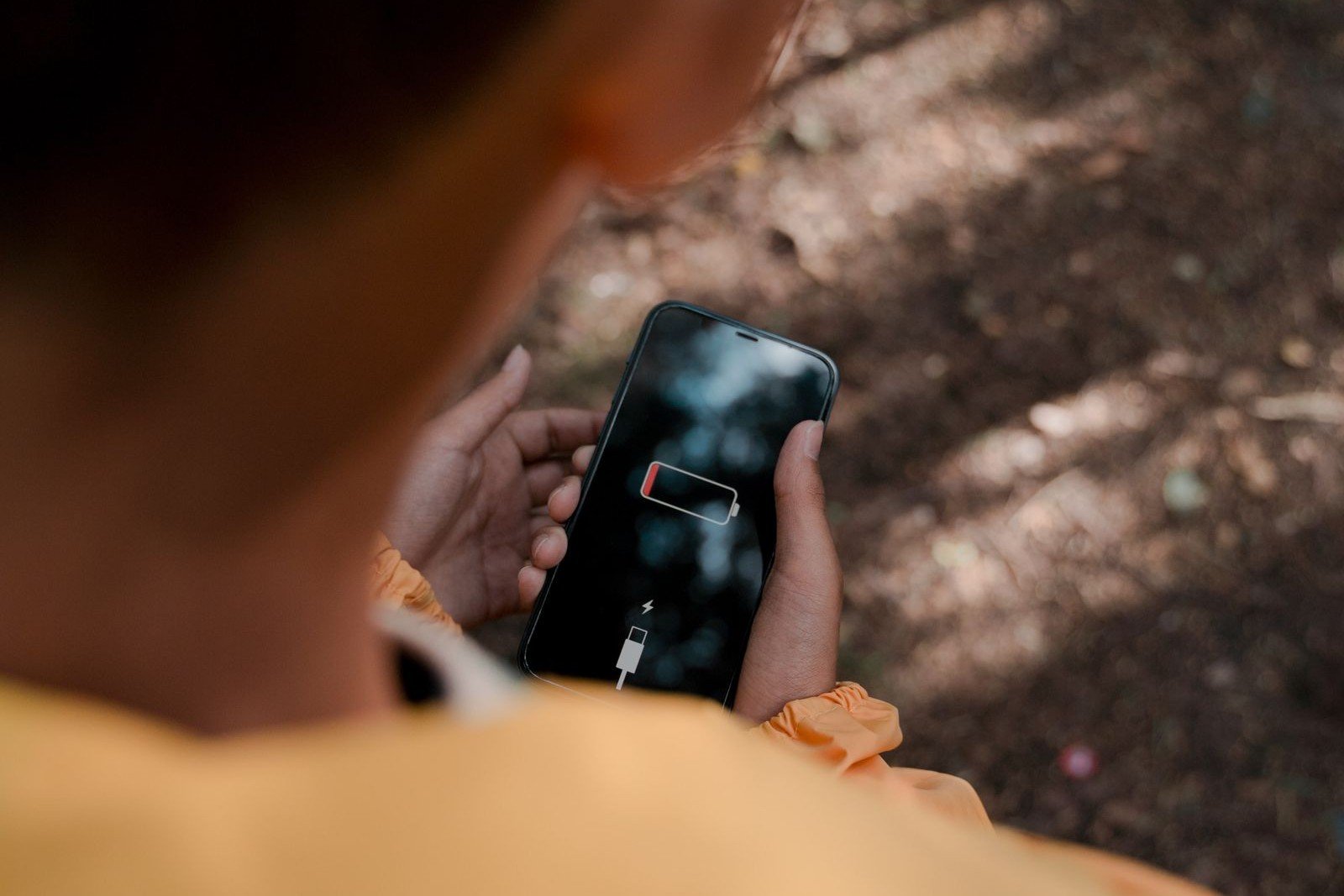
The average person checks their phone dozens of times a day, often without even deciding to. You pick it up to check the time and somehow end up twenty minutes deep in a feed you did not mean to open. It is not a lack of willpower — phones are designed to keep you scrolling. But the cost is real: broken sleep, shorter attention spans, less time with the people around you, and a strange feeling of being busy all day without actually doing anything.
A digital detox is not about throwing your phone away or moving to a cabin in the woods. It is about taking back control of when and how you use your screens, so technology serves your life instead of running it. Here are practical tips that work in real life.
Start With the Morning, Not the Whole Day
The first hour of your day sets the tone for everything after it. If you start by scrolling through news and messages, your brain spends the rest of the morning reacting to other people’s priorities.
The Phone-Free First 30 Minutes
- Charge your phone outside the bedroom. Use a simple alarm clock instead. This one change removes the temptation to scroll the moment you open your eyes.
- Do something else first. Drink a glass of water, stretch, make breakfast, or sit by a window for a few minutes. You can read more about why water first thing helps in our article on the benefits of drinking water.
- Check your phone on your terms. When you do pick it up, decide in advance what you are checking — messages, then done — rather than opening it with no plan.
Most people who try this say the mornings feel calmer within a few days, and they get more done before 9 am than they used to.
Turn Off Notifications (Nearly All of Them)
Every notification is a small interruption that pulls your attention away from whatever you were doing — and it takes your brain several minutes to fully refocus after each one. You do not need a buzz every time someone likes a photo or a shop has a sale.
A Simple Notification Audit
- Keep only the essentials. Calls and messages from real people, your calendar, and maybe a banking alert. Everything else can wait until you open the app yourself.
- Turn off badges and banners for social media. If an app has to shout to get your attention, it probably does not deserve it.
- Use “Do Not Disturb” on a schedule. Set it for the last hour before bed and the first hour after waking, every day, automatically.
- Check email in batches. Two or three times a day is enough for most people. Constant email checking is one of the biggest hidden drains on attention.
This single step often cuts screen time by an hour a day without any effort — because the phone simply stops demanding your attention.
Create Tech-Free Zones and Times
Willpower is unreliable, but your environment is not. If the phone is not in the room, you cannot check it. That is why zones work so well.
Zones That Make a Difference
- The bedroom. No phones in bed. Charge it in another room and read a paper book instead. Your sleep will improve — our guide on healthy sleep habits explains why screens before bed are so disruptive.
- The dinner table. Meals are for conversation, not scrolling. Put phones in a basket by the door during meals and notice how much more people actually talk.
- The first hour after work. Give yourself an hour of phone-free time when you get home — a walk, cooking, playing with the kids — before you check anything.
- One screen-free evening a week. Pick a night, put all devices away, and do something analogue: cook a new recipe, play a board game, or go for a walk. Our article on healthy meal planning is a good starting point for a screen-free cooking evening.
Replace Scrolling With Something Better
A detox fails when you remove scrolling and leave a hole. Your brain still wants stimulation, so you need to offer it something to do instead.
Easy Replacements
- Keep a book where your phone usually sits. On the bedside table, on the sofa arm, in your bag. When the urge to scroll hits, you have something ready.
- Go for a walk. Even a short one resets your mind better than any amount of scrolling. See our guide on the benefits of walking 30 minutes a day for how much a daily walk can do.
- Learn or make something. A few minutes of drawing, cooking, gardening, or practising an instrument gives your hands and mind something real to do.
- Call someone instead of texting. A five-minute voice call feels more connecting than an hour of liking posts, and it uses the phone as a tool instead of a trap.
The goal is not to be bored — it is to choose your entertainment instead of letting an algorithm choose it for you.
Set Boundaries With Social Media
Social media is not all bad. It connects you with friends and family, and it can be genuinely enjoyable. The problem is the endless, unplanned scrolling that eats your evening.
Practical Social Media Rules
- Set a daily time limit. Most phones have built-in screen time controls. Start with one hour a day for social apps and see how it feels.
- Remove apps from your home screen. If you have to search for an app to open it, you will open it far less often — that small bit of friction is surprisingly powerful.
- Unfollow ruthlessly. If an account makes you feel anxious, inadequate, or angry, unfollow it. Your feed should leave you feeling better, not worse.
- No social media after 9 pm. Evenings are for rest, family, and sleep. The feed will still be there tomorrow, and nothing important will be lost by waiting.
Try a Short Detox Challenge
If a full day without your phone feels impossible, start small and build up. Here is a gentle 7-day plan:
- Day 1: No phone for the first 30 minutes after waking up.
- Day 2: Turn off all social media notifications.
- Day 3: Take a 30-minute walk without your phone.
- Day 4: Read a paper book for 30 minutes before bed instead of scrolling.
- Day 5: Keep your phone away during all meals.
- Day 6: Spend two hours in the evening completely phone-free.
- Day 7: Half a day with minimal screens — phone only for calls and maps.
Most people find that by day 3 or 4, they already feel calmer and more focused. And if you slip up on a day, just start again the next morning. A detox is a practice, not a test.
How to Handle FOMO
The biggest fear about unplugging is missing out — a message, a news story, a joke in the group chat. But here is the honest truth: almost nothing on your phone is truly urgent, and the things that matter will still be there when you check in later.
A useful question to ask yourself is: “Has anything genuinely important ever happened because I checked my phone at 11 pm instead of 8 am?” For most of us, the answer is no. The news, the messages, and the memes all wait. What does not wait is your sleep, your attention, and your time with the people in front of you.
If you worry about missing messages from family, tell them in advance: “I am checking my phone less in the evenings — call me if it is urgent.” That one sentence removes most of the anxiety.
Frequently Asked Questions
What is a digital detox?
A digital detox is a period of deliberately reducing screen and social media use to reset your relationship with technology. It can be as short as a phone-free morning or as long as a full weekend. The point is not to abandon technology, but to use it on purpose instead of by habit.
How long should a digital detox last?
Start with a few hours a day, or one screen-free evening a week. A full day is a great monthly goal once the small habits feel comfortable. The benefits usually show up within a few days — better sleep, better focus, and more free time — and they grow the longer you keep the habit going.
Will I miss important messages during a detox?
Almost never, if you plan for it. Tell close family and friends you are cutting back and to call you for anything urgent. Keep your phone nearby for calls, just out of easy reach for scrolling. Important things find you; the rest can wait until your next check-in.
Can a digital detox help with sleep and stress?
Yes. Screens before bed expose you to bright light and stimulating content, both of which make it harder to fall asleep. Cutting screen time in the evening, especially the last hour before bed, is one of the simplest ways to sleep better and feel calmer. If overthinking keeps you up at night, our article on how to stop overthinking at night has techniques that work well alongside a digital detox.
Conclusion
A digital detox is not about giving up technology. It is about deciding when technology gets your attention, instead of letting it take your attention whenever it wants. Start small: a phone-free morning, notifications off, one tech-free zone at home.
Within a week, most people notice the same things — they sleep a little better, they feel a little calmer, and they suddenly have time for the things they kept saying they had no time for. Your phone will still be there when you need it. The trick is making sure you only pick it up when you actually do.
Disclaimer: This article is for general information and wellness purposes only. It is not medical advice and is not intended to diagnose, treat, or prevent any health condition. If you have a health concern or a medical condition, please consult a qualified healthcare professional for personal advice.