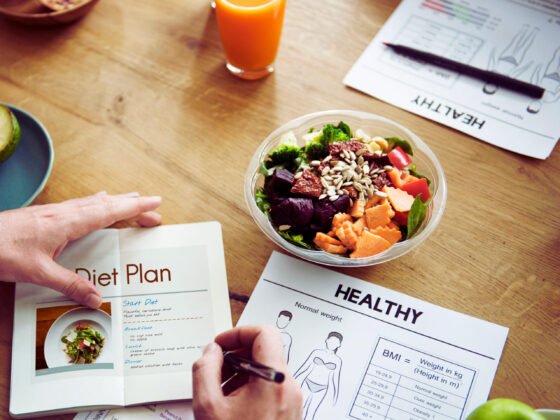
If you have ever opened the fridge at 6pm, stared at random ingredients, and ended up ordering takeaway, you are not alone. That tired feeling is exactly why healthy meal planning helps. It is not about strict rules or cooking like a chef — just deciding, ahead of time, what you will eat during the week. When you plan a little, you shop once, waste less food, and feel calmer at mealtimes.
What Healthy Meal Planning Really Means
Healthy meal planning is not a diet. You are not cutting out whole food groups or following a rigid menu — just giving your week a loose shape. Instead of deciding three times a day, you make a few small decisions once a week, choose meals you like, and leave room for real life. If Tuesday’s dinner does not happen on Tuesday, it can move to Wednesday. Start small: many beginners plan just dinners, and add more later.
Your Simple Weekly Plan in 5 Steps
Set aside 20 to 30 minutes once a week — Sunday works well for many people. Grab a notebook or your phone, and work through these steps.
Step 1: Check Your Week First
Before you think about food, look at your calendar. Which days will you be home for dinner, and which are busy? This saves you from the most common mistake: planning seven home-cooked dinners when you will only be home for four. Plan simpler meals, or leftovers, for busy nights. Also check what you already have, and build meals around it to save money and reduce waste.
Step 2: Pick 5 to 7 Meals
For a first week, five dinners is plenty, plus a couple of easy breakfast and lunch ideas. Pick meals you already know how to make, plus one new recipe if you like, and rotate through family favourites. Give each day a loose theme: Monday soup, Tuesday stir-fry, Wednesday pasta, Thursday a tray bake, Friday wraps. If you want a broader eating pattern, our guide to the Top 5 Easy Diet Plans for Beginners That Actually Work can help you compare a few simple approaches.
Step 3: Make a Shopping List
Write your list from your meal plan, not from memory, going meal by meal, then group it by section — vegetables, protein, dairy, grains, and cupboard items — so shopping is faster and you avoid extras. Cross off anything you already have.
Step 4: Do a Small Prep Session
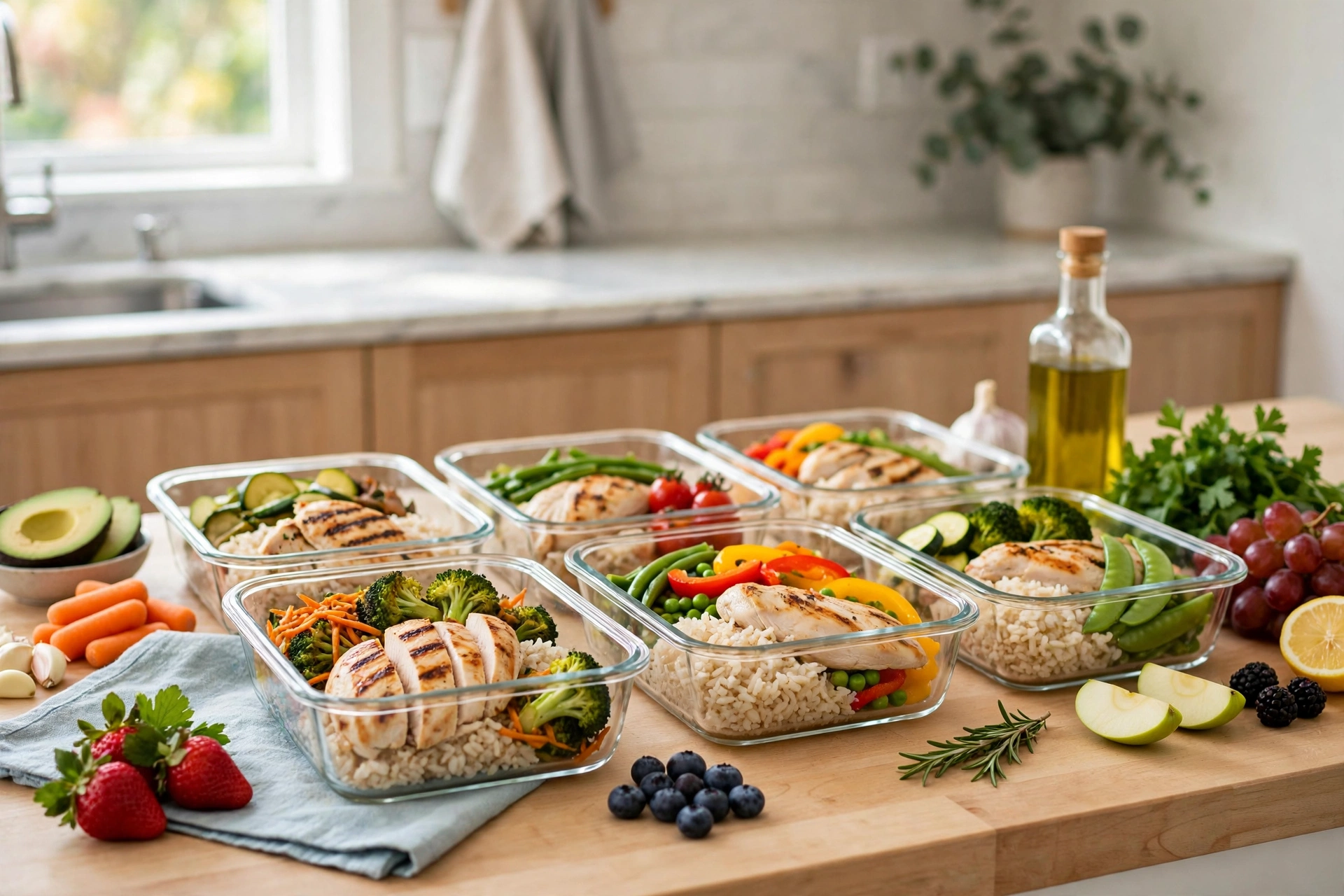
A prep session of 30 to 45 minutes is enough. Wash and chop vegetables, cook a pot of rice or grains, boil some eggs, or make a big batch of lentils or soup for two meals. Store everything in clear containers. Prep a few snacks too — cut-up vegetables or fruit, and portions of nuts or yoghurt. When healthy snacks are ready, you are less likely to reach for crisps at 4pm. For more ideas, see our Healthy Snacks for Weight Loss.
Step 5: Keep It Flexible
Life will not follow your plan perfectly, and that is fine. Keep one or two backup meals in the freezer or cupboard — a simple soup, frozen vegetables with eggs, or pasta with a quick sauce. On a tired night, a backup meal beats skipping dinner. At the end of the week, note what worked and what took too long, and use that for next week. Planning gets easier every time.
A Flexible Example Week
Use this as a starting point, and swap in foods you like. Breakfast ideas: Oats with fruit and nuts; eggs on wholegrain toast; plain yoghurt with berries; a smoothie with banana, milk, and peanut butter. Lunch ideas: A salad with chickpeas or leftover chicken; a wrap with vegetables and hummus; leftover soup with bread; rice and beans with salad. Dinner ideas: Monday, lentil soup with bread. Tuesday, vegetable and chicken stir-fry with rice. Wednesday, pasta with tomato sauce and cheese. Thursday, baked fish or tofu with roasted vegetables. Friday, homemade wraps with beans and salad. Saturday, a simple curry, or a meal out. Sunday, roast vegetables and grains, using up leftovers.
The Simple Plate Formula
If you are unsure how to build a balanced meal, try the simple plate formula — a visual guide, not a strict rule. Fill about half your plate with vegetables or salad, about a quarter with protein — chicken, fish, eggs, beans, lentils, tofu, or yoghurt — and the last quarter with whole grains or starchy foods, like brown rice, oats, potatoes, or wholewheat pasta. Add a little healthy fat, like olive oil, nuts, or avocado, and a glass of water. You do not need to weigh food. If most meals look roughly like this, you are already eating in a balanced way.
Shopping and Storage Tips
Shop with a list, and try not to shop when you are very hungry. Buy seasonal fruit and vegetables when you can; they usually taste better and cost less. Frozen vegetables and fruit are also smart, as they last longer and help you avoid waste. Keep leftovers in clear containers at the front of the fridge, labelled with the date, and eat them within a few days. Freeze leftovers in single portions, so you always have a quick meal ready for a busy day.
Mistakes Beginners Make
Planning too much, too soon. Planning all 21 meals is a lot for a first try. Start with dinners, or three or four days, and build up slowly. Choosing recipes that are too complicated. A recipe with 20 ingredients will not help on a busy Tuesday. Save complex recipes for the weekend, and keep weeknights simple. Forgetting snacks and drinks. If you only plan main meals, you may feel hungry between meals and reach for whatever is nearby. Plan a few simple snacks and keep water handy. If stress sends you to the kitchen at night, our guide to Meditation for Stress Relief is a gentle place to start. Being too strict with yourself. One takeaway does not ruin your plan. Healthy eating is about the overall pattern, not being perfect every day. If a plan does not work, change the plan. Not using leftovers. Cooking once and eating twice is the best time-saver. Roast extra vegetables, cook extra rice, or make a double batch of soup for lunch the next day.
FAQs About Healthy Meal Planning
How much time does meal planning take?
About 20 to 30 minutes to plan and make a shopping list, plus a prep session of 30 to 45 minutes if you want one. That time usually comes back during the week, because you spend less time deciding what to cook.
Do I need to plan every meal?
No. Many people plan only dinners, or only weekday lunches, and that is enough. Start with the meal that causes you the most stress, and add others only if you want to.
What if my family eats different things?
You do not need to cook a separate meal for everyone. Build it around a shared base — rice, pasta, or wraps — and let people add their own protein or toppings.
How do I stop wasting food?
Plan meals around what you already have, shop with a list, and use leftovers the next day. Cook flexible meals like soups, stir-fries, and curries, where you can add whatever vegetables need using up.
Conclusion
Healthy meal planning is not about perfection, or cooking fancy food. It is about making your week a little easier, so you can eat well without thinking about food all day. Start with five simple meals, a short shopping list, and a small prep session. Use the plate formula, keep a backup meal ready, and be kind to yourself when the plan changes. After two or three weeks, you will have favourite meals and a routine that fits your life. That is what good planning gives you: not a perfect week, but a simpler one.
Disclaimer: This article is general wellness information only and is not medical advice. Please consult a healthcare professional or registered dietitian before changing your diet if you have a health condition.