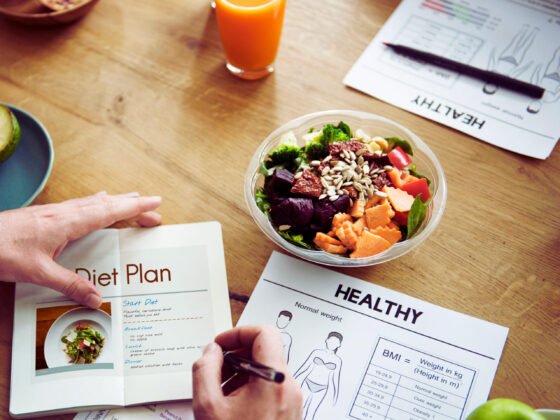
If you have ever eaten a light salad for lunch and felt hungry again two hours later, you know the problem: a low-calorie meal can still leave you unsatisfied, and constant hunger makes losing weight feel like a battle you cannot win. This is where protein helps. It does not mean eating plain chicken at every meal or giving up foods you enjoy. It means building meals that satisfy you and hold you over until the next one.
A plate with a good protein source, plenty of vegetables and a filling side beats the same calories from toast and jam — no fancy ingredients or hours in the kitchen needed.
Why Protein Helps When You Are Trying to Lose Weight
Protein is often called the most filling nutrient: a breakfast built around eggs keeps you going much longer than cereal alone. Protein takes longer to digest than refined carbohydrates, so your stomach empties more slowly and fullness lasts longer — which makes it easier to stop eating when you have had enough.
Protein also helps protect your muscles while you are eating less, along with regular movement — so making it the anchor of each meal can make weight loss feel less like a struggle.
How to Build a High-Protein Meal
Start with one protein food, add vegetables, then add a filling side such as whole grains, potatoes or beans. Season it well, add a little healthy fat like olive oil or avocado, and you have a complete meal.
Think of your plate in three parts: about a quarter to a third is protein — chicken, fish, eggs, lentils, beans, tofu or Greek yoghurt. About half is vegetables or salad, which add volume and fibre without much energy. The rest is your starchy side, which gives the meal staying power — a rough guide that builds balanced meals without weighing everything.
Simple High Protein Recipes for Weight Loss
A handful of flexible meals, varied with different vegetables, herbs and spices, will carry you through most weeks.
Chicken and Vegetable Bowl
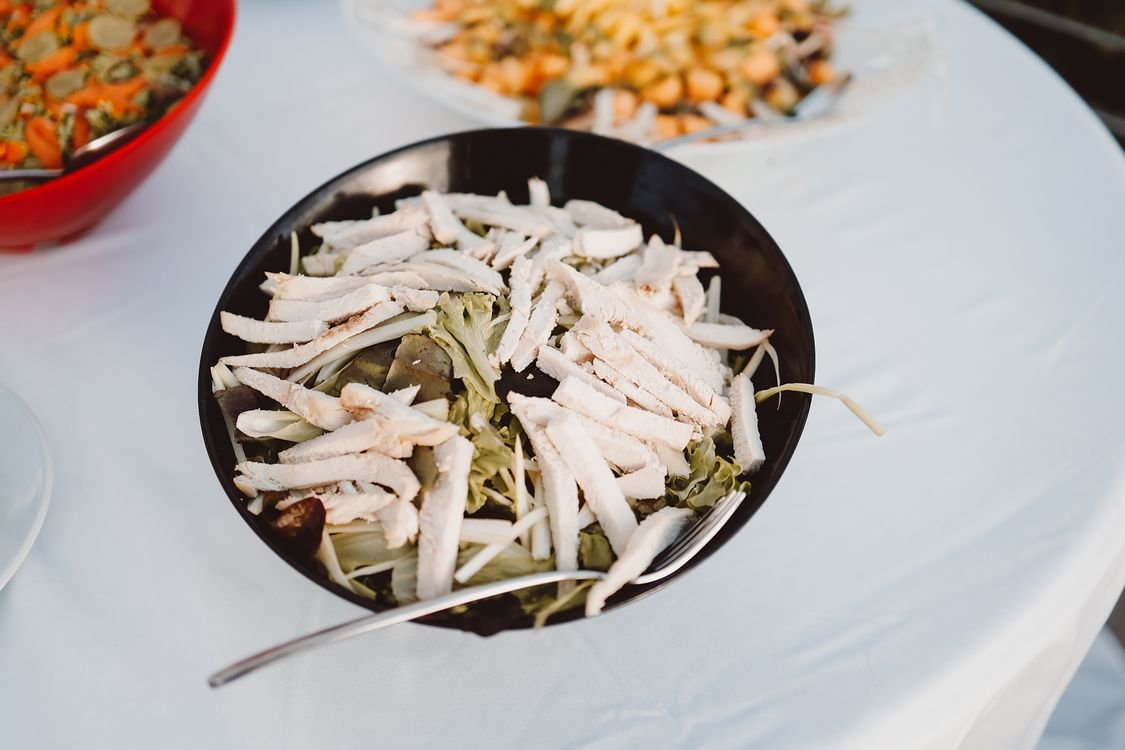
Grill or roast chicken breast or thighs with olive oil, garlic, salt, pepper and spices such as paprika or cumin. Meanwhile, prepare brown rice or quinoa and chop vegetables such as cucumber, tomatoes and peppers. Slice the chicken over the grains and vegetables, and add hummus or a yoghurt dressing.
Egg-Based Breakfast
Eggs are one of the most affordable protein foods. A vegetable omelette with spinach, mushrooms and tomatoes takes ten minutes and keeps you full until lunch. If mornings are rushed, boil a few eggs at the start of the week and keep them in the fridge. Boiled eggs with fruit, or scrambled eggs with beans on toast, are quick options. Baked egg muffins — eggs whisked with chopped vegetables and baked in a muffin tin — keep for days and reheat well.
Lentil and Bean Dishes
Lentils and beans are among the best-value protein foods you can buy, and their fibre makes them wonderfully filling. A simple lentil soup with carrots, onions, garlic and cumin is cheap and comforting. A bean chilli is another great option: cook onions and peppers with tinned beans, chopped tomatoes, cumin and paprika, and simmer until thick. Serve it over rice with Greek yoghurt, or in a wholemeal wrap with salad. Chickpea curry works the same way, and these dishes freeze well.
Greek Yoghurt Ideas
Greek yoghurt is thick, creamy and much higher in protein than regular yoghurt. For breakfast, top a bowl with berries, oats and nuts — two minutes, and it feels like a treat. It also works in savoury cooking: use it instead of mayonnaise in a chicken or tuna salad, or mix it with lemon, garlic and herbs as a dressing for grilled vegetables. A yoghurt, cucumber and mint dip goes well with grilled meat. Choose plain varieties — flavoured yoghurts often contain a lot of added sugar — and sweeten with fresh fruit.
Fish with Vegetables
Fish is a lean protein that cooks quickly — ideal for weeknight dinners. A fillet of salmon, cod or trout, baked or pan-fried with lemon and herbs, takes less than fifteen minutes. Serve it with roasted vegetables — courgettes, peppers and tomatoes — and new potatoes or brown rice. Tinned fish is cheaper and just as useful: tuna with Greek yoghurt and lemon makes a lighter sandwich filling, and sardines on toast is a quick lunch.
Affordable Protein Foods and Common Mistakes
Eating more protein does not have to cost more. Eggs, lentils, beans, chickpeas and tinned tuna are inexpensive and widely available, and frozen chicken, fish and vegetables are often cheaper than fresh and keep for weeks. Buying dried lentils or yoghurt in bulk usually costs less per serving.
Our guide to healthy eating can help you put these meals into a broader pattern for everyday life.
The most common mistake is adding protein without thinking about the rest of the meal. A protein bar on top of an already big meal does not help — the balance of the whole plate matters, so build the meal around the protein. Another is relying on heavily processed protein foods: sausages, breaded chicken and protein bars can be high in salt, sugar or fat, and are often less filling than whole foods like eggs, beans or grilled chicken.
Skipping meals is another trap. Some people skip breakfast hoping to save calories, then arrive at lunch so hungry they eat far more than planned — a protein-rich breakfast, even a small one, often makes the rest of the day easier. If you enjoy smoothies, make them with a yoghurt base and plenty of vegetables — our healthy smoothie recipes for weight loss show how to build them that way. Do not forget vegetables and fibre either: vegetables, beans and whole grains add the bulk that makes a high-protein meal genuinely satisfying. Pairing these meals with gentle daily movement can help too — our guide on how to reduce belly fat at home without gym covers practical steps to go with healthier eating.
Frequently Asked Questions
How much protein should I eat at each meal?
There is no single amount for everyone — needs depend on body size, age, activity level and overall health. A practical approach is a palm-sized portion at each main meal: eggs at breakfast, chicken or lentils at lunch, fish or beans at dinner. For personalised advice, ask a healthcare professional or dietitian.
Can I lose weight on a vegetarian high-protein diet?
Yes, absolutely. Lentils, beans, chickpeas, tofu, eggs, Greek yoghurt, cottage cheese, nuts and seeds all provide protein, and combining plant proteins across the day — beans with rice, or lentils with bread — gives you a good range of nutrients. Meals built around these foods, with plenty of vegetables, work well for many people.
Are protein shakes necessary for weight loss?
No. They can be convenient after exercise or on a busy day, but most people can get enough protein from ordinary foods like eggs, yoghurt, chicken, fish, lentils and beans. Whole foods also provide fibre and nutrients shakes often lack, and they tend to be more filling. Treat shakes as a supplement to real meals, not a replacement.
What is the easiest high-protein breakfast for busy mornings?
Boiled eggs made in advance, Greek yoghurt with fruit and oats, or a quick omelette all take only a few minutes. Overnight oats with milk, yoghurt, nuts and seeds can be prepared the night before. The best breakfast is one you will actually eat, so choose something simple that fits your routine.
Conclusion
High protein recipes for weight loss do not need to be complicated, expensive or boring. A chicken bowl, an omelette, lentil soup, yoghurt with berries, or fish with vegetables are ordinary meals that keep you full. When meals satisfy, eating a little less feels natural — and that is what makes weight loss sustainable. Start with one change: add protein to the meal where you feel hungriest, keep plenty of vegetables on the plate, and build from there.
Disclaimer: This article is for general wellness information only and is not medical advice. Everyone’s nutritional needs are different, so please talk to a healthcare professional or a registered dietitian before making significant changes to your diet, especially if you have a medical condition, take medication, or are pregnant or breastfeeding.