When you are trying to manage your weight, fruit is one of the easiest foods to reach for — and one of the most satisfying. It is naturally sweet, it comes in its own handy packaging, and it can turn an ordinary snack into something you actually look forward to.
Why Fruit Helps When You Are Managing Your Weight
Fruit works in your favour for three simple reasons: fibre, water, and natural sweetness.
Fibre keeps you full. Many fruits are rich in fibre, the part of plant foods your body does not break down quickly. Fibre slows digestion, so a fruit snack keeps you satisfied for longer than a snack of the same size made from refined flour or sugar. Choosing whole fruit over processed snacks is one of the simplest upgrades you can make, and it fits neatly alongside the basics of healthy eating.
Water adds volume without heaviness. Fruits such as watermelon, oranges, and peaches are mostly water. That gives you a generous portion that feels filling without being heavy, and it helps you stay hydrated. A big bowl of berries can feel like a proper snack, not a tiny diet portion.
Natural sweetness satisfies cravings. One of the hardest parts of managing your weight is the pull towards something sweet after a meal. Fruit gives you that sweetness in a whole-food form, with fibre and water alongside it. A ripe pear or a handful of grapes often takes the edge off a craving.
The Top 10 Best Fruits for Weight Loss
1. Berries
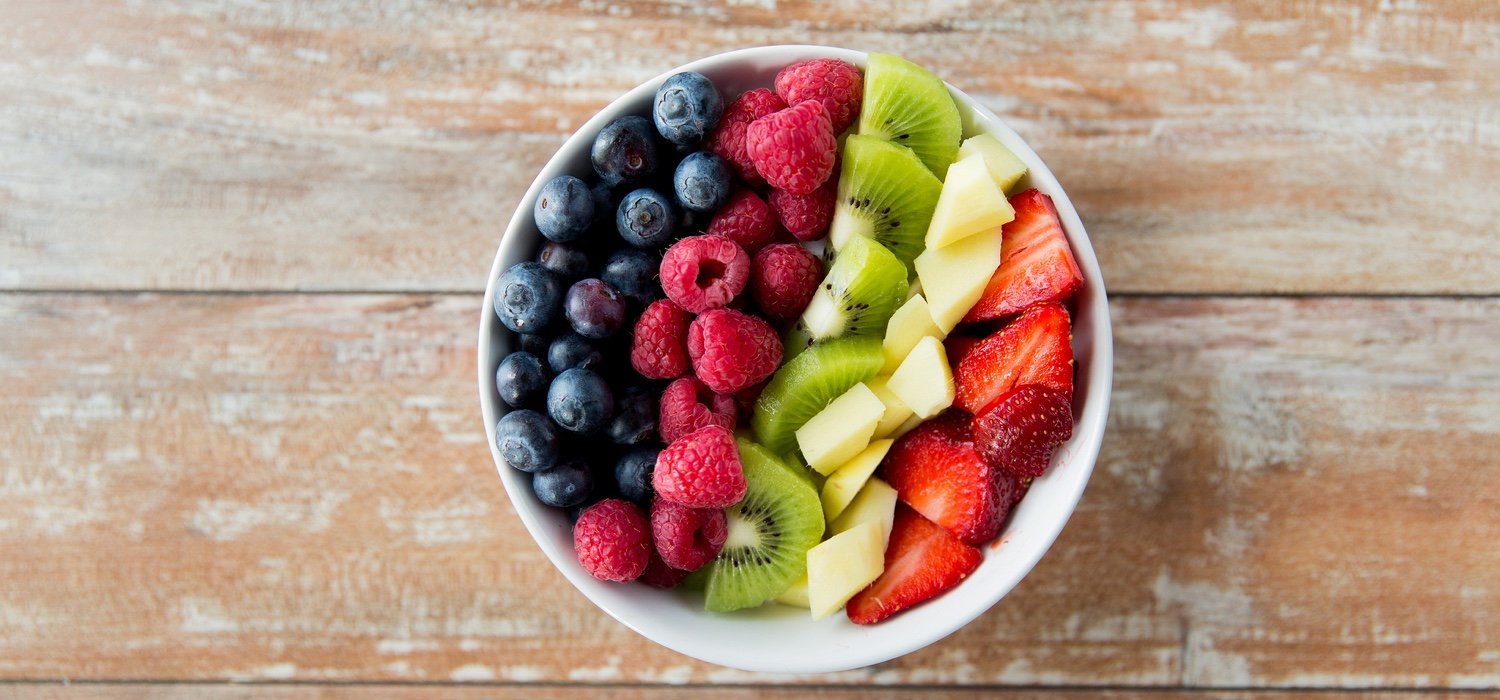
Strawberries, blueberries, raspberries, and blackberries are small, sweet, and packed with fibre for their size. A bowl of mixed berries feels generous on yoghurt or porridge, or eaten on its own. Fresh or frozen both count.
2. Apples
Apples are the classic portable snack for a reason. They are crisp, filling, and easy to carry in a bag without any fuss. Eating one slowly, skin on, gives your body time to register that you have eaten something substantial.
3. Grapefruit
Grapefruit is light, juicy, and refreshingly tart. Half a grapefruit makes a bright start to the day.
4. Pears
Pears are gentle, sweet, and wonderfully filling, thanks to their fibre. A ripe pear eaten as it is makes a quiet, satisfying snack, and they work well sliced into salads or baked with cinnamon.
5. Kiwi
Kiwi is small but mighty. One or two give you a good amount of fibre and a bright, tangy flavour that wakes up a fruit salad. Cut one in half and scoop it out with a spoon.
6. Oranges
Oranges are hydrating, easy to peel, and naturally portioned into segments, which makes it simple to eat just the right amount. A whole orange is far more filling than a glass of orange juice, because you get all the fibre along with the juice.
7. Watermelon
Watermelon is one of the most refreshing fruits there is, and its very high water content means you can enjoy a generous slice and still feel light. It is perfect on hot days, chopped into a salad with mint, or blended into a simple cooler.
8. Peaches
Peaches are sweet, juicy, and a lovely sign that summer has arrived. They are satisfying eaten fresh, sliced over yoghurt, or grilled briefly for a warm dessert.
9. Plums
Plums are small, portable, and pleasantly tart-sweet. Two or three make a neat snack you can eat without a plate or a knife, and their deep colour looks lovely in a fruit bowl.
10. Bananas in Moderation
Bananas sometimes get a bad reputation in weight-loss circles, but they do not deserve it. They are filling, convenient, and a great source of energy before or after a workout. The key is portion: one banana is a sensible snack, especially with a small handful of nuts or a pot of yoghurt. For more ideas on building filling meals around protein, see our high protein recipes for weight loss.
Simple Serving Ideas
Start your day with berries or sliced banana over porridge or yoghurt — it adds colour, sweetness, and fibre to a breakfast that keeps you going until lunch. Make fruit the centre of your snack: instead of biscuits in the afternoon, try an apple, a pear, or a small bowl of grapes, or pair fruit with a protein food such as yoghurt or a handful of nuts.
Blend fruit into smoothies. A handful of berries, half a banana, and a splash of milk or yoghurt makes a quick, refreshing drink. Our healthy smoothie recipes for weight loss has plenty of combinations using whole fruit rather than juice, so you keep the fibre. Add fruit to savoury meals too — sliced pear in a salad or orange segments with a grain bowl adds sweetness that makes a meal feel complete.
Fruit Mistakes to Avoid
Drinking juice instead of eating whole fruit. A glass of fruit juice can contain the sugar of several pieces of fruit, but almost none of the fibre. Without fibre, juice is less filling and much easier to overdo.
Forgetting dried fruit portions. Dried fruit such as raisins, dates, and dried apricots is nutritious, but much more concentrated than fresh fruit. A small handful is a reasonable portion; a large bag eaten mindlessly can add up quickly.
Following a fruit-only diet. Diets built around fruit alone are not balanced. Your body needs protein, healthy fats, and a variety of foods to stay well. Fruit works best as part of a varied diet, not as the whole diet. Eating slowly and paying attention to hunger helps too — see our mindful eating tips.
Adding sugar to fruit. Fruit is already sweet, so it rarely needs help. Adding sugar, syrup, or sweetened cream turns a light snack into something much heavier. For dessert, try fruit with yoghurt and a sprinkle of cinnamon instead.
Frequently Asked Questions
How much fruit should I eat each day when managing my weight?
A good general guide is a couple of servings a day as part of a varied diet. One serving is roughly a medium piece of fruit, a small bowl of berries, or two small fruits such as plums or kiwis.
Is fruit too sugary for weight loss?
Fruit does contain natural sugars, but it also comes with fibre, water, and nutrients that slow digestion and help you feel full. That combination is very different from foods with added sugar. Eating whole fruit in sensible portions fits well into a weight-management plan for most people.
Are frozen fruits as good as fresh fruit?
Yes. Fruit is usually frozen at its ripest, so frozen berries and other fruits keep most of their nutrients. Frozen fruit is also cheaper out of season, lasts for months, and is perfect for smoothies, porridge, and baking.
Can I eat fruit at night?
Yes, fruit can make a light evening snack. A small bowl of berries, a pear, or a banana is a gentler choice than biscuits or crisps late at night.
Conclusion
The best fruits for weight loss are the ones you enjoy eating and can reach for easily every day. Berries, apples, grapefruit, pears, kiwi, oranges, watermelon, peaches, plums, and bananas in moderation all bring something different to the table — fibre, water, natural sweetness, and a lot of flavour.
Keep it simple: choose whole fruit over juice, watch portions of dried fruit, pair fruit with protein when you want a snack that lasts, and enjoy fruit as part of a varied, balanced diet rather than a diet on its own.
Disclaimer: This article is for general wellness information only, not medical advice. If you have a medical condition such as diabetes, please speak to a healthcare professional about your diet.