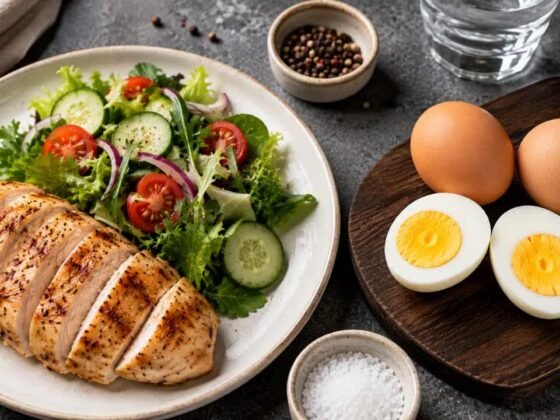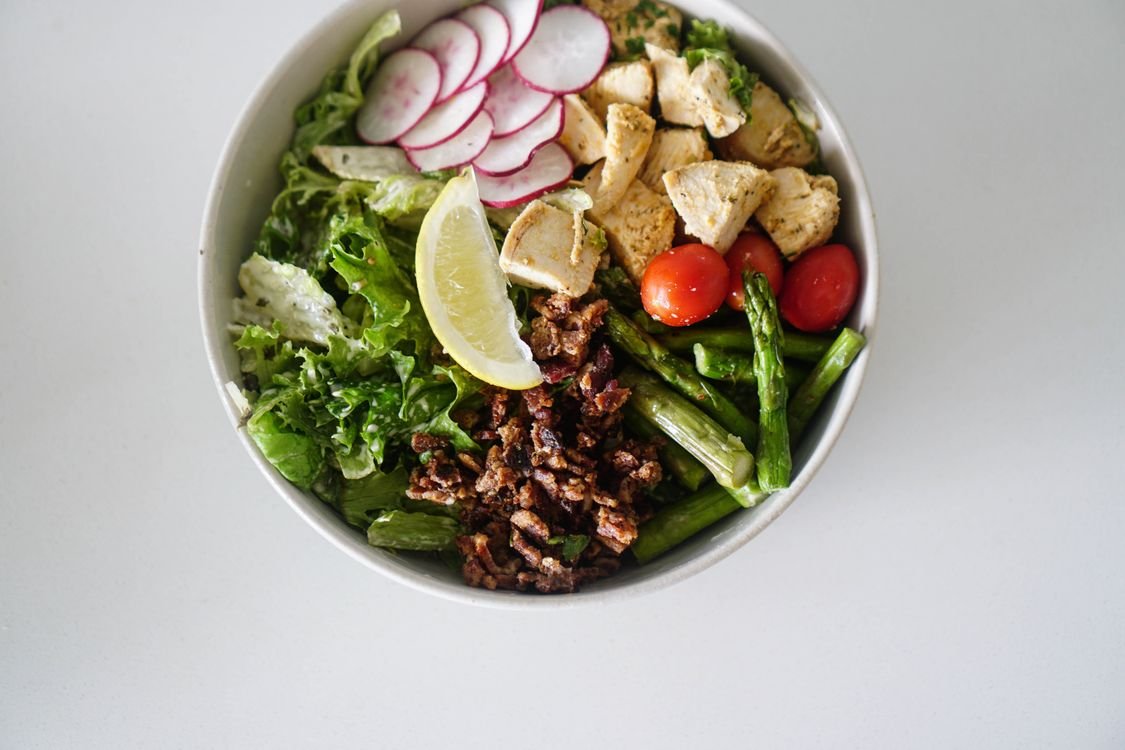
Losing weight does not have to mean giving up the foods you love or following a strict plan that leaves you hungry and frustrated. A healthy eating diet to lose weight is built on simple, everyday choices: balanced meals, sensible portions, and habits you can keep for months and years, not just a few weeks.
The goal is not to eat as little as possible. It is to eat in a way that gives your body the nutrients it needs while gently creating the small calorie gap that leads to steady, sustainable weight loss. When your meals are built around whole foods, you usually feel fuller on fewer calories, which makes the whole process easier.
What a Healthy Eating Diet for Weight Loss Looks Like
A weight-loss-friendly way of eating is not one single diet. It is a pattern. Most healthy eating plans share the same building blocks, and once you understand them, you can shape your own meals around foods you actually enjoy.
Fill Half Your Plate with Vegetables and Fruits
Vegetables and fruits are high in water and fibre and low in calories, which means you can eat a generous portion without overeating. Leafy greens, carrots, cucumbers, tomatoes, broccoli, berries, apples, and citrus fruits all add colour, crunch, and nutrients to your plate.
A practical habit is to start lunch and dinner with a salad or a vegetable-based soup. It helps you feel satisfied before the main course, so you naturally eat a little less of the heavier foods. For ideas on which fruits support your goal, see our guide to the best fruits for weight loss: https://healthsy.org/best-fruits-for-weight-loss/
Include Protein at Every Meal
Protein helps you feel full for longer and supports your muscles while you lose weight. Good everyday sources include eggs, lentils, beans, chickpeas, yoghurt, cottage cheese, chicken, fish, and tofu. You do not need large amounts — a palm-sized portion at each meal is a useful guide for most people.
Protein also helps reduce the urge to snack between meals. If you often feel hungry an hour after eating, check whether your meal had enough protein and fibre. Our article on protein for weight loss explains how protein works and which sources are easiest to add to daily meals: https://healthsy.org/protein-for-weight-loss/
Choose Whole Grains Over Refined Ones
Whole grains such as oats, brown rice, whole wheat bread, and quinoa contain fibre that slows digestion and keeps you full. Refined grains, like white bread and white rice, are digested more quickly and are easier to overeat.
You do not have to cut out grains completely. Swapping half of your refined grains for whole-grain versions is a realistic step, and it often makes a noticeable difference to how full you feel after a meal.
Keep Healthy Fats in the Picture
Fat is not the enemy. Small amounts of healthy fats from olive oil, nuts, seeds, and avocado help your body absorb vitamins and make meals more satisfying. The key is portion size: a small handful of nuts or a drizzle of olive oil is plenty.
How to Build a Weight-Loss Plate
A simple plate method removes the need for calorie counting at every meal:
- Half the plate: vegetables and salad
- A quarter of the plate: protein such as lentils, eggs, chicken, or fish
- A quarter of the plate: whole grains or starchy vegetables like sweet potato
- On the side: a piece of fruit or a small bowl of yoghurt
This approach works at home and when eating out. It also makes meal planning easier, because you only need to decide which foods fill each section. Our healthy meal planning guide shows how to plan a week of balanced meals without spending hours in the kitchen: https://healthsy.org/healthy-meal-planning/
Portion Control Without Obsessing Over Calories
Portion sizes have grown over the years, and it is easy to eat more than your body needs without noticing. A few gentle strategies help:
- Use a smaller plate. It makes a normal portion look satisfying.
- Serve food in the kitchen, not at the table. Going back for seconds takes more effort.
- Eat slowly and without screens. It takes about twenty minutes for fullness signals to register, so slowing down helps you notice when you have had enough.
- Keep tempting snacks out of sight. If crisps and biscuits are on the counter, you will eat them more often.
These are small changes, but together they can reduce your daily intake without any feeling of deprivation.
Foods to Enjoy Often and Foods to Limit
There is no need to label foods as good or bad, but some foods make weight loss easier and others make it harder.
Enjoy often: vegetables, fruits, lentils, beans, whole grains, eggs, fish, yoghurt, nuts, and seeds.
Enjoy in moderation: cheese, red meat, butter, and sweetened sauces. These are not forbidden, but they are calorie-dense, so smaller portions work better.
Limit: sugary drinks, alcohol, fried snacks, pastries, and highly processed foods. Sugary drinks are especially worth limiting, because they add calories without making you feel full. Water, sparkling water, and unsweetened tea are better everyday choices.
A Simple Sample Day
Here is what a balanced day of healthy eating for weight loss can look like:
- Breakfast: oats with berries and a boiled egg, or whole wheat toast with peanut butter and a banana
- Lunch: a large salad with chickpeas, vegetables, and a drizzle of olive oil, plus a whole wheat roll
- Snack: a piece of fruit with a small handful of nuts, or a bowl of yoghurt
- Dinner: grilled chicken or lentil curry with brown rice and steamed vegetables
- Drinks: water throughout the day, and herbal tea in the evening
This is only an example. The best plan is one that fits your tastes, your schedule, and the foods available to you. For a broader foundation, read our healthy eating guide: https://healthsy.org/healthy-eating/
Habits That Support Healthy Eating
What you eat matters, but how you live around food matters too. These habits support weight loss without any extra dieting:
- Plan your meals. Even a rough plan for the next two or three days reduces impulsive takeaways.
- Keep healthy snacks ready. Cut vegetables, fruit, and yoghurt are easy to reach for when hunger strikes.
- Get enough sleep. Poor sleep can increase appetite and cravings the next day.
- Move a little every day. Walking, stretching, or light exercise supports weight loss and improves mood.
- Be patient. Healthy weight loss is usually slow — around half a kilo per week is a realistic and sustainable pace.
Common Mistakes to Avoid
- Skipping meals to save calories. It often leads to overeating later in the day.
- Cutting out whole food groups. Very restrictive diets are hard to maintain and can leave you low on nutrients.
- Relying on “diet” products. Many low-fat or sugar-free products are still high in calories or leave you unsatisfied.
- Expecting overnight results. Weight loss takes time, and the scale does not move in a straight line. Water retention, hormones, and muscle changes all affect the number.
Conclusion
A healthy eating diet to lose weight is not a punishment. It is a way of eating that is balanced, satisfying, and realistic enough to keep for the long term. Fill half your plate with vegetables and fruits, include protein at every meal, choose whole grains, and watch your portions gently. Add in good sleep, regular movement, and a little planning, and you have a plan that works with your life instead of against it.
Start with one change this week — perhaps a vegetable with every dinner, or swapping sugary drinks for water — and build from there. Small steps, repeated daily, are what lead to lasting results.
FAQs
What is the best healthy eating diet to lose weight?
There is no single best diet. The most effective approach is a balanced eating pattern rich in vegetables, fruits, whole grains, and protein, with sensible portions and fewer sugary drinks and processed foods. The best diet is the one you can maintain comfortably.
Can I lose weight without counting calories?
Yes. Using the plate method — half vegetables, a quarter protein, a quarter whole grains — and eating slowly usually creates a gentle calorie reduction without the need to count every calorie.
How fast should I expect to lose weight with healthy eating?
A steady pace of around 0.5 kg per week is realistic and sustainable for most people. Faster loss is often water weight and is harder to keep off.
Do I need to cut out carbs to lose weight?
No. Whole grains and starchy vegetables provide fibre and energy. Reducing refined carbs and sugary foods is more helpful than cutting out all carbohydrates.
Disclaimer: This article is for general wellness information only and is not medical advice. If you have a medical condition or are considering a major change to your diet, please consult a qualified healthcare professional.