Do you feel bright and alert in the morning, then tired and foggy by mid-afternoon? You are not alone. Many people run on coffee and snacks, then wonder why their energy crashes before the day is over. The answer often sits on the plate.
Food is your body’s fuel. What you eat — and when you eat it — affects how steady your energy feels. The good news is that you do not need a complicated diet or expensive supplements. A few simple changes can make your energy last much longer.
How Food Affects Your Energy Levels
Your body turns food into energy through digestion, and different foods release that energy at different speeds. That speed matters more than most people realise.
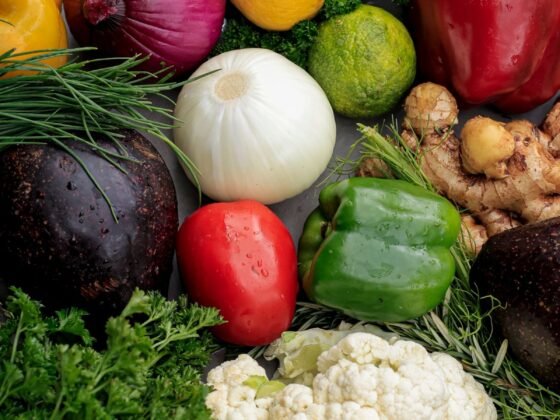
Foods rich in fibre, protein, and healthy fats are digested slowly. They release energy gradually, so you feel full and steady for hours. Whole grains, beans, nuts, eggs, and vegetables all work this way.
Foods high in refined sugar and white flour are digested quickly. They give a fast burst of energy, followed by a dip — which is why a sweet snack can feel like a boost for twenty minutes, then leave you more tired than before.
Eating regularly matters too. Long gaps between meals can leave your energy low, showing up as tiredness, irritability, and poor concentration. Balanced meals and sensible snacks at regular times help keep your energy even. For a broader introduction to eating well, see our guide to healthy eating.
Why Sugar Crashes Happen
A sugar crash is the sudden tiredness you feel after eating something very sweet, and it is one of the most common causes of the afternoon slump.
When you eat a lot of sugar at once — a fizzy drink, a large pastry, a handful of sweets — your blood sugar rises quickly. Your body releases insulin to bring it back down, and sometimes it overcorrects, dropping your blood sugar below where it started. That drop is the crash: you feel sleepy, hungry again, and craving more sugar.
The fix is not to cut out all sweet foods. It is to pair sweetness with fibre, protein, or healthy fat, which slows digestion. An apple with a handful of nuts will keep you going far longer than a biscuit on its own, and having something sweet after a balanced meal rather than on an empty stomach makes a crash much less likely.
The Best Energy Foods
There is no single magic food for energy. Steady energy comes from a mix of foods that provide slow-burning fuel and the nutrients your body needs.
Whole Grains and Protein
Whole grains such as oats, brown rice, whole wheat bread, quinoa, and barley are rich in fibre. They digest slowly and release energy over several hours, so a bowl of porridge will keep you full far longer than a sugary cereal.
Protein helps you feel full and supports steady energy. Good sources include eggs, beans, lentils, chickpeas, yoghurt, fish, chicken, and tofu. Including some protein at every meal — not just at dinner — is one of the simplest ways to avoid energy dips.
Healthy Fats, Iron, Fruit, Nuts, and Water
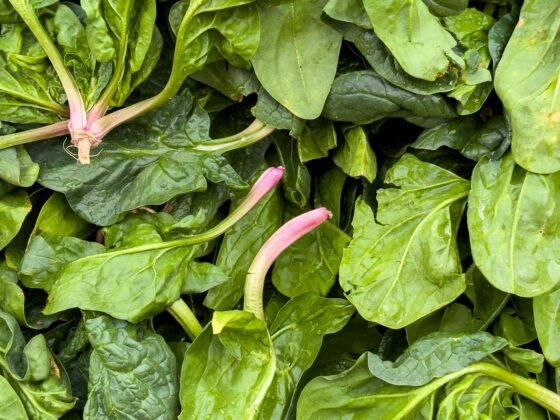
Healthy fats from avocados, olive oil, nuts, seeds, and oily fish help you feel satisfied and add lasting energy without a crash. Iron helps carry oxygen around your body, and low iron intake can leave you feeling tired — good sources include lentils, beans, spinach, red meat, and eggs, and eating them with vitamin C foods such as citrus fruit or peppers helps your body absorb the iron.
Fruit provides natural sugars with fibre, water, and vitamins; bananas, apples, berries, and oranges are convenient energy foods, and whole fruit beats fruit juice because its fibre slows the sugar. Nuts and seeds are compact sources of healthy fats, protein, and fibre — a small handful makes a practical snack. Finally, water is easy to overlook, but even mild dehydration can make you feel sluggish. Keep a bottle nearby and sip through the day; our article on the benefits of drinking water explains how hydration supports energy.
What to Eat for Steady Energy
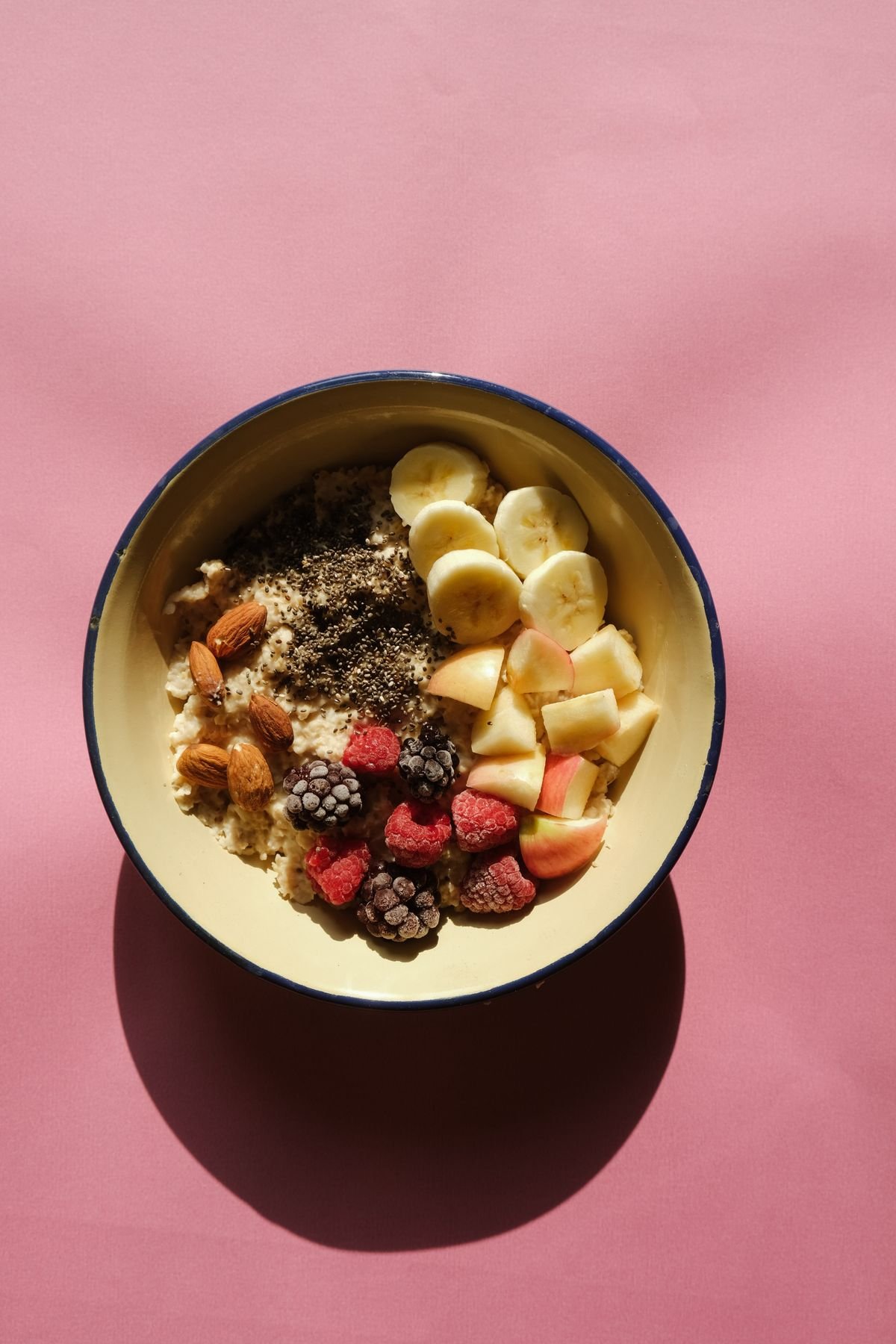
Breakfast: Start with whole grains and protein — porridge with berries and nuts, wholegrain toast with eggs, or yoghurt with fruit and seeds. Go easy on very sweet breakfast foods, which can set up a crash before mid-morning. If you are short on time, overnight oats or a boiled egg with fruit are quick choices that still give lasting energy.
Lunch: A heavy lunch of white bread, chips, and a sugary drink can leave you sleepy all afternoon. A balanced lunch works better: a wholegrain base, a protein source, and plenty of vegetables. Try a wholegrain wrap with chicken or beans and salad, a lentil soup with wholegrain bread, or a rice bowl with vegetables and fish or tofu.
Dinner: Dinner should satisfy you without being so heavy that it disturbs your sleep. A plate with vegetables, a moderate portion of protein, and a wholegrain or starchy vegetable such as sweet potato or brown rice works well. Try to eat a few hours before bed, rather than very late.
A Simple Daily Eating Plan for Energy
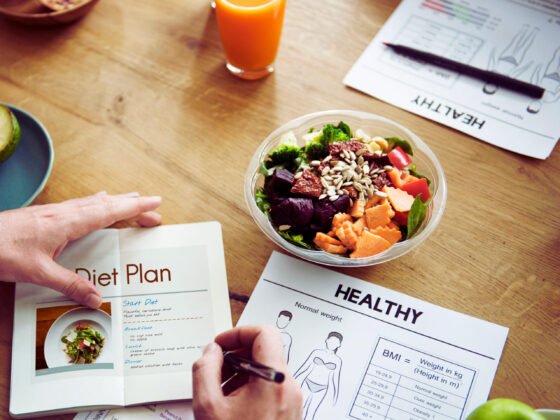
Here is what a steady-energy day can look like. Adapt it to your tastes, budget, and routine — the pattern matters more than the exact foods.
- Breakfast: Porridge made with oats and milk, topped with banana slices and a spoonful of seeds.
- Mid-morning: An apple and a small handful of almonds.
- Lunch: Wholegrain wrap with beans, salad, and avocado, plus a glass of water.
- Afternoon: Natural yoghurt with berries, or wholegrain crackers with hummus.
- Dinner: Grilled fish or lentil stew with brown rice and steamed vegetables.
- Evening: A piece of fruit or a cup of herbal tea, if you want something light.
Notice the pattern: regular meals, a mix of whole grains, protein, and vegetables at each one, and water through the day. For more ideas on foods that support an active metabolism, see our article on foods that boost metabolism.
Foods and Habits That Drain Your Energy
Some foods and habits work against steady energy, even when they feel like quick fixes:
- Sugary drinks and snacks: fast energy, fast crash, and often another craving soon after.
- Very large, heavy meals: a huge lunch can divert your energy to digestion and leave you drowsy.
- Skipping meals: long gaps can leave your energy low and make you overeat later.
- Too much caffeine: coffee can help in moderation, but too much — especially late in the day — can disturb sleep and leave you more tired the next day.
- Alcohol: it may feel relaxing, but it can disturb sleep quality and leave you sluggish the next morning.
None of these need to be banned completely. The point is to notice which ones affect you most, and to make them the exception rather than the daily pattern.
Sleep and Movement Matter Too
Food is only part of the energy picture. Poor sleep makes even the best diet feel less effective: when you are short on sleep, your body craves quick energy — usually sugar and caffeine — and your concentration suffers. Aim for a regular sleep schedule, a dark and quiet bedroom, and a wind-down routine that avoids screens and heavy meals in the last hour before bed.
Movement helps too. It sounds strange, but moving more can give you more energy, not less. A short walk, some stretching, or light exercise during the day improves circulation and alertness. Even a ten-minute walk after lunch can clear the afternoon fog far better than another coffee.
When good food, good sleep, and regular movement work together, your energy becomes much more reliable. Each one supports the others: eating well helps you sleep better, sleeping well helps you choose better food, and moving more helps you sleep more deeply.
Conclusion
Healthy eating for energy is not about strict rules or expensive foods. It is about giving your body slow, steady fuel: whole grains, protein, healthy fats, iron-rich foods, fruit, nuts, and plenty of water, eaten at regular times.
Avoid the sugar rollercoaster by pairing sweet foods with fibre or protein, keep your meals balanced, and choose snacks that actually fill you up. Add good sleep and regular movement, and you have a simple, realistic way to feel more energetic all day. Start small — change one meal, perhaps breakfast — and notice how the rest of your morning feels. Small, steady changes are the ones that last.
FAQs
What are the best foods for energy?
Whole grains, protein-rich foods, healthy fats, iron-rich foods, fruit, nuts, and water are among the best choices for steady energy. They digest slowly and provide lasting fuel, unlike sugary foods that give a quick lift followed by a crash.
Why do I feel tired after eating sugar?
Sugary foods raise your blood sugar quickly, and your body releases insulin to bring it down. Sometimes it overcorrects, leaving your blood sugar lower than before. That drop is the sugar crash, and it often leaves you feeling sleepy and hungry again.
What should I eat for breakfast to stay energised?
A breakfast with whole grains and protein works best, such as porridge with fruit and nuts, wholegrain toast with eggs, or yoghurt with berries and seeds. Avoid very sweet breakfast foods, which can lead to a crash before mid-morning.
Can drinking water really improve my energy?
Yes. Even mild dehydration can make you feel sluggish and make it harder to concentrate. Sipping water regularly through the day helps your body work properly and supports steady energy.
Disclaimer: This article is for general wellness information only and is not medical advice. If you have a medical condition, take medication, or are considering a major change to your diet, please consult a qualified healthcare professional.