If there is one food group that makes weight loss easier, it is leafy vegetables. A big bowl of spinach, a crunchy cabbage salad, or a plate of sautéed Swiss chard fills you up for very few calories — and that is exactly what sustainable weight loss is built on.
Leafy greens are not a magic fat-burning food, and no single vegetable will make the kilos disappear on its own. But they change the maths of your meals in your favour: you can eat a generous, satisfying portion while keeping calories low, and you get fibre, water, vitamins, and minerals at the same time.
Why Leafy Greens Help With Weight Loss
They Are Very Low in Calories
Leafy vegetables are among the lowest-calorie foods you can eat. A large handful of spinach or lettuce contains only a small number of calories, yet it takes up real space on your plate. A meal that is half leafy vegetables and half your usual food is far more satisfying than a small portion of the usual food alone, even though the calories are lower.
They Are High in Fibre and Water
Leafy greens are rich in fibre and water, two things that help you feel full. Fibre slows down digestion and keeps you satisfied for longer after a meal, which makes it easier to avoid snacking between meals. The water content adds bulk to your food without adding calories.
They Add Nutrients Without Adding Calories
When you cut calories, it is easy to cut nutrients too. Leafy vegetables help with this: they are packed with vitamins and minerals such as folate, vitamin K, vitamin C, and potassium. Adding a big serving of greens to your meals means your diet stays nutrient-rich even while you eat less overall.
They Make Healthy Meals More Satisfying
A plate of plain grilled chicken or a bowl of lentils is healthy, but it can feel a bit empty on its own. Add a pile of greens — a side salad, some steamed cabbage, or wilted spinach — and the same meal feels complete. Greens add crunch, colour, and freshness, which makes healthy food more enjoyable and easier to stick with.
For a broader look at building balanced, satisfying meals, see our healthy eating guide.
The Best Leafy Vegetables for Weight Loss
Spinach
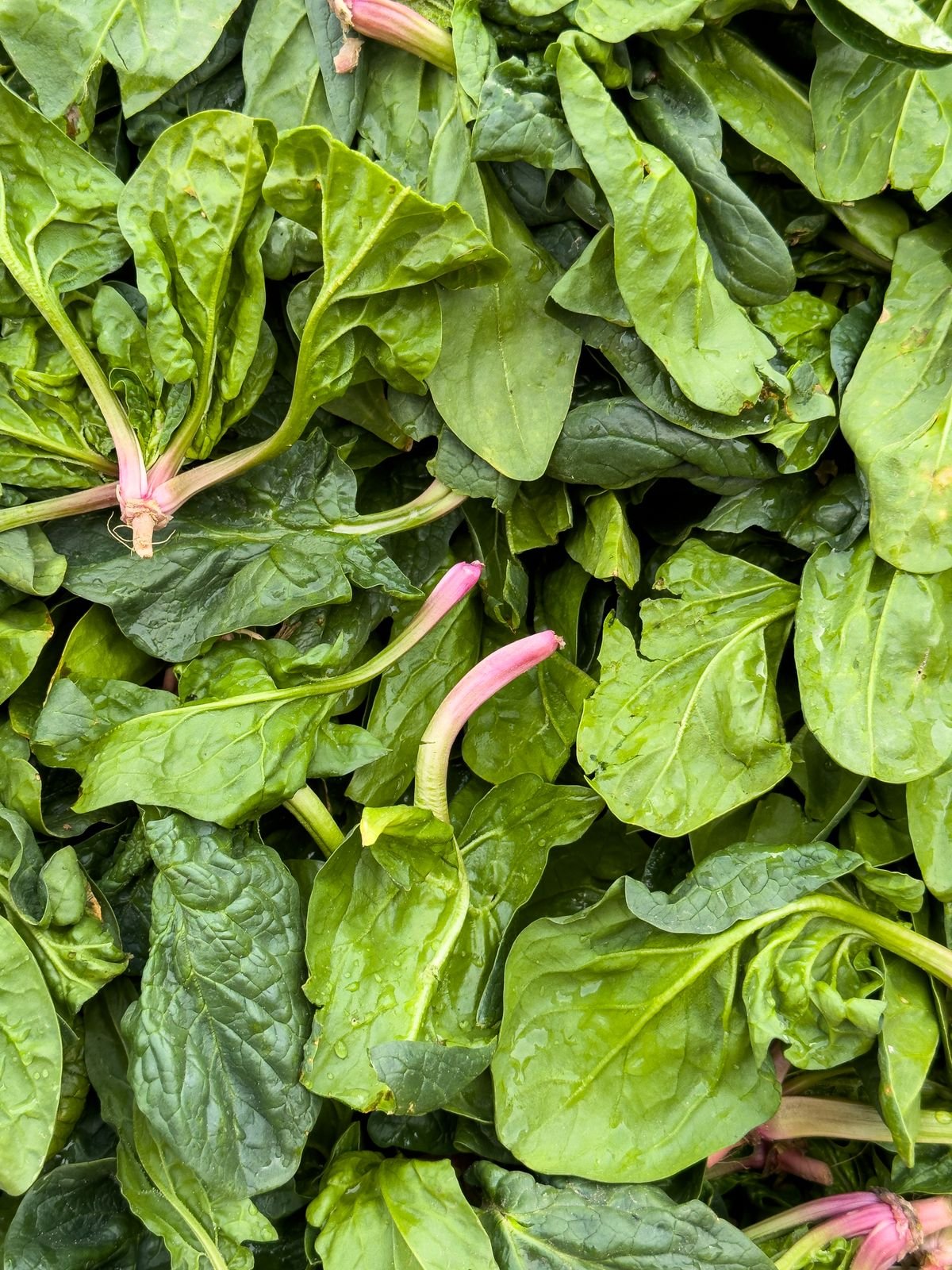
Spinach is the easiest leafy green to eat more of. It is mild in flavour, very low in calories, and shrinks down to almost nothing when cooked. Add it raw to salads and wraps, blend a handful into a smoothie, or wilt it into soups, curries, and omelettes.
Kale
Kale has a stronger flavour and a tougher texture than spinach, but it is filling and fibre-rich. Massaging raw kale with lemon juice and salt softens the leaves and makes a much better salad. It also works baked into crispy chips or added to soups and stews, where it holds its shape.
Lettuce
Lettuce — romaine, butterhead, iceberg, or cos — is crisp, refreshing, and extremely low in calories, so it makes a great base for a big, satisfying salad. Use the leaves as wraps instead of bread or tortillas, filled with grilled chicken, beans, or tuna.
Cabbage
Cabbage is cheap, lasts for weeks in the fridge, and is surprisingly filling. It is excellent in salads and slaws, stir-fries, soups, and curries. Shredded cabbage with lemon, salt, and chilli makes a crunchy side dish that goes with almost anything.
Swiss Chard
Swiss chard has broad, tender leaves and colourful stems. It cooks in a few minutes in a pan with garlic and a little olive oil, and it works well as a side dish, in soups, or stirred into pasta and grain bowls. If you like spinach, you will like chard.
Arugula (Rocket)
Arugula, also known as rocket, has a peppery, slightly bitter flavour that adds real character to a salad. A little goes a long way, so mix it with milder leaves such as lettuce or spinach. It is great in salads, sandwiches, and stirred into warm pasta.
Collard Greens
Collard greens are large, sturdy leaves that become tender and flavourful when simmered or sautéed with garlic, onion, and a squeeze of lemon. They are filling and fibre-rich, and they hold up well as a side dish with beans, lentils, or grilled meat.
Bok Choy
Bok choy is a leafy green from the cabbage family, with crisp white stems and tender dark-green leaves. It cooks in minutes and is perfect for stir-fries, soups, and noodle dishes. Add it at the end of cooking so the leaves stay bright and the stems stay crunchy.
How to Add More Leafy Greens to Your Meals
- Start lunch and dinner with a salad. Even a small side salad before your main course helps you eat more greens and feel full sooner.
- Fill half your plate with greens. Make leafy vegetables half the plate, with protein and grains on the other half.
- Add greens to dishes you already cook. Stir spinach into soups, curries, and pasta sauces. Add cabbage to stir-fries. Put lettuce and arugula in sandwiches and wraps.
- Blend them into smoothies. A handful of spinach or kale disappears into a fruit smoothie. Our guide to the best fruits for weight loss has good combinations to try.
- Keep salad leaves ready. Pre-washed spinach and mixed leaves make it easy to throw together a salad in two minutes.
Simple Salad and Cooking Ideas
- Spinach and chickpea salad: baby spinach, chickpeas, cucumber, tomato, red onion, lemon juice, and olive oil.
- Kale and apple salad: massaged kale, sliced apple, walnuts, and a light lemon dressing.
- Cabbage slaw: shredded cabbage, grated carrot, and a dressing of yoghurt, lemon, and mustard.
- Sautéed Swiss chard: chard wilted in a pan with garlic, chilli flakes, and lemon.
- Bok choy stir-fry: bok choy, mushrooms, and tofu or chicken, cooked quickly with ginger and soy sauce.
- Lettuce wraps: large lettuce leaves filled with spiced beans, grilled chicken, or tuna salad.
None of these need special skills. Keep the seasoning simple — lemon, garlic, herbs, and a little olive oil go a long way.
Mistakes to Avoid
- Heavy, creamy dressings. A salad drowned in mayonnaise, ranch, or a sugary dressing can contain more calories than the meal it was meant to lighten. Use lemon juice, vinegar, mustard, herbs, and a little olive oil instead.
- Drowning greens in oil. A little oil adds flavour, but too much adds a lot of calories quickly. One tablespoon is usually enough for a large pan of greens.
- Only eating greens as a garnish. A sprig of parsley or a single lettuce leaf does not count. Aim for a generous serving — at least a large handful, ideally a full cup or more.
- Relying on one vegetable. Eating the same green every day gets boring fast. Rotate between spinach, kale, cabbage, lettuce, and chard.
- Too much cheese, bacon, or croutons. These toppings add a lot of calories and salt. Use them sparingly, or skip them and let the fresh vegetables do the work.
Buying and Storing Leafy Vegetables
Buy in season when you can — seasonal greens are usually cheaper, fresher, and tastier. Choose bright, crisp leaves and avoid any that are yellowed, wilted, slimy, or spotted. Wash leaves only when you are about to use them, and dry them well. Store them in the fridge in a bag or container lined with a clean cloth or paper towel to absorb moisture. Use tender leaves first: spinach, lettuce, and arugula spoil faster than cabbage or kale, so use them within a few days, while cabbage can last for weeks. Spinach and kale also freeze well — blanch them briefly, squeeze out the water, and freeze in portions for smoothies, soups, and curries.
Conclusion
Leafy vegetables for weight loss work because they solve the hardest part of eating less: feeling full. Spinach, kale, lettuce, cabbage, Swiss chard, arugula, collard greens, and bok choy are all low in calories, high in fibre and water, and rich in nutrients — so you can eat generous, satisfying portions while keeping calories down.
The key is to eat them in real amounts, not as a garnish, and to keep the preparation light: lemon, herbs, and a little olive oil rather than heavy dressings and too much oil. Add greens to the meals you already cook, start lunch and dinner with a salad, and rotate between different leaves so you never get bored. Small, steady habits like these are what make weight loss last.
For more practical ideas on eating well every day, read our guide on how to eat healthy to be healthy.
FAQs
Which leafy vegetable is best for weight loss?
Spinach is one of the easiest and best choices because it is very low in calories, mild in flavour, and simple to add to almost any dish. Kale, lettuce, cabbage, and Swiss chard are also excellent. The best leafy vegetable is the one you enjoy eating regularly.
How much leafy vegetables should I eat a day?
Aim for at least one to two generous servings a day — a large salad at lunch and a cooked green vegetable at dinner. A serving is roughly a large handful of raw leaves or a cup of cooked greens. More is fine; leafy vegetables are low in calories.
Can I eat leafy vegetables every day?
Yes, leafy vegetables are suitable for everyday eating as part of a balanced diet. Rotate between different greens — spinach, kale, cabbage, lettuce, chard, and bok choy — so you get a wider range of nutrients and do not get bored of one flavour.
Do leafy vegetables help with belly fat?
No single food targets belly fat specifically. Leafy vegetables help with overall weight loss by keeping you full on fewer calories, which supports a calorie deficit over time. Combined with balanced eating and regular movement, they are a useful part of a weight-loss plan.
Disclaimer: This article is for general wellness information only and is not medical advice. If you have a medical condition, take medication, or are considering a major change to your diet, please consult a qualified healthcare professional.