Healthy eating sounds simple until you stand in front of a full fridge and wonder what to actually eat. The good news is that it does not need a special diet or expensive ingredients. It mostly comes down to choosing simple, everyday foods more often, and making those choices easy to repeat.
This guide is a simple starter guide to the healthy things to eat every day: the main food groups, simple swaps, and ideas for breakfast, lunch, dinner, and snacks. Most of these foods are already in your kitchen or at your local shop.
Why Everyday Foods Matter Most
Fancy superfoods come and go, but a healthy diet is built on ordinary foods eaten regularly. Vegetables, fruit, grains, beans, eggs, yoghurt, and nuts are not exciting on their own, yet together they give your body a wide mix of nutrients, fibre, and energy. One healthy meal does not change much, but choosing healthy things to eat day after day does.
Vegetables: The Foundation of a Healthy Plate
Vegetables are the easiest place to start because almost all of them are a good choice. Leafy greens like spinach, crunchy vegetables like carrots, cucumber, and peppers, and cooked vegetables like broccoli and green beans all bring fibre, vitamins, and minerals.
Frozen vegetables are just as useful as fresh ones. They are picked and frozen quickly, they last for weeks, and they are perfect for stir-fries, soups, and curries on busy days.
Fruits: Nature’s Sweet Snack
Fruit is the simplest healthy snack there is. Apples, bananas, oranges, berries, grapes, pears, and melons are easy to eat, naturally sweet, and full of fibre and vitamins. A piece of fruit with a handful of nuts makes a snack that keeps you full far longer than biscuits or crisps.
Whole fruit is better than fruit juice because the fibre in whole fruit helps you feel full. If you enjoy fruit, you might like our guide to https://healthsy.org/best-fruits-for-weight-loss/, which looks at some of the most satisfying choices.
Whole Grains: Energy That Lasts
Whole grains give you steady energy. Oats, brown rice, whole wheat bread, whole wheat pasta, barley, and quinoa are all good everyday choices. They are rich in fibre, which supports digestion and helps you feel full.
The simplest upgrade is to swap refined grains for whole ones. Choose whole wheat bread instead of white bread, brown rice instead of white rice, and oats instead of a sugary breakfast cereal.
Protein Foods: Building Blocks for Your Body
Protein helps you feel full and keeps your energy steady between meals. Good everyday protein foods include eggs, beans, lentils, chickpeas, fish, chicken, tofu, and plain yoghurt.
Beans and lentils are some of the most underrated healthy foods around. They are cheap, filling, and full of fibre as well as protein. A bowl of lentil soup, a chickpea salad, or beans on toast are simple meals that cost very little.
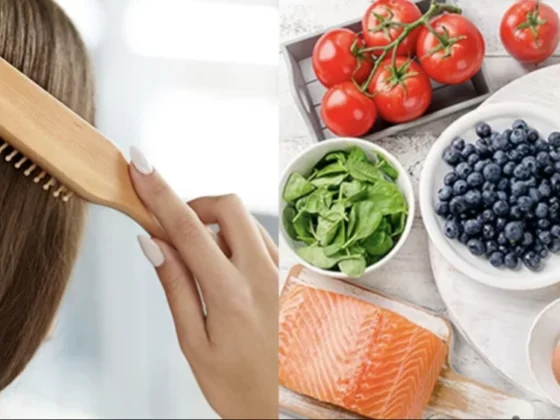
Eggs are another easy win. Boiled, scrambled, or poached, they make a quick breakfast or a light lunch. Oily fish like salmon, sardines, and mackerel brings healthy fats as well as protein, so try to include fish a couple of times a week if you enjoy it.
Dairy and Alternatives: Calcium and Comfort
Dairy foods like milk, yoghurt, and cheese provide calcium and protein. Plain yoghurt is one of the most useful of the three. It works at breakfast with fruit and oats, as a snack on its own, or as a lighter replacement for cream and mayonnaise.
If you choose yoghurt, plain is the better everyday option. Flavoured yoghurts often contain a lot of added sugar, so plain yoghurt with your own fruit gives you the sweetness without the extra sugar.
Nuts and Seeds: Small Foods, Big Benefits
Nuts and seeds are small, but they pack in healthy fats, fibre, protein, and minerals. Almonds, walnuts, cashews, pistachios, pumpkin seeds, sunflower seeds, chia seeds, and flaxseeds are all good choices. A small handful of nuts or a spoonful of seeds can turn a plain meal into something much more filling.
Sprinkle seeds over porridge or salads, add nuts to a stir-fry, or keep a small container of mixed nuts in your bag for busy afternoons.
Healthy Fats: The Ones Worth Keeping
Not all fats are the same. Healthy fats, mostly the unsaturated kind, come from foods like olive oil, avocados, nuts, seeds, and oily fish. They help you feel satisfied after a meal and add flavour to food.
How to Build a Balanced Plate
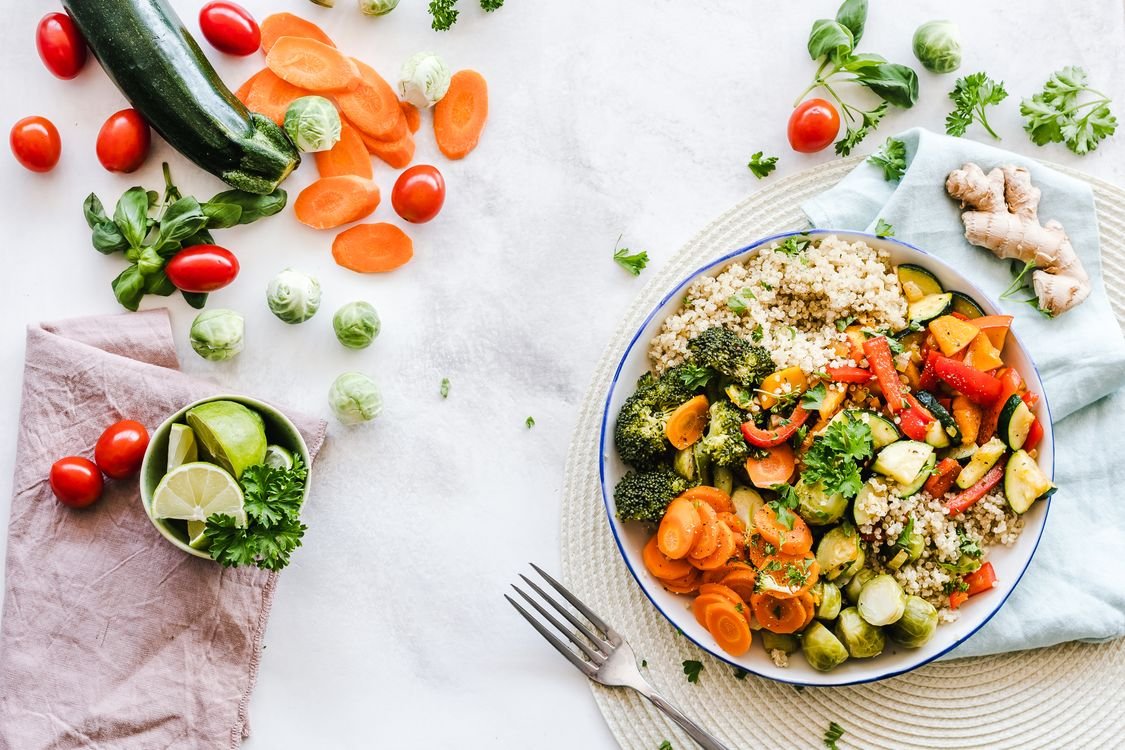
You do not need to count calories or weigh your food to eat well. Fill about half the plate with vegetables or salad, about a quarter with a protein food like chicken, fish, beans, or eggs, and about a quarter with a whole grain or starchy food like brown rice, potatoes, or whole wheat bread. Add a little healthy fat, like a drizzle of olive oil or a few nuts, and a glass of water.
This pattern works for almost any meal. A stir-fry with vegetables, chicken, and brown rice follows it, and so does a salad with beans, quinoa, and avocado. For more everyday food ideas, see our guide to https://healthsy.org/healthy-foods-to-eat-everyday/.
Simple Swaps That Make a Difference
Healthy eating often comes down to small swaps rather than big changes. Swap sugary breakfast cereal for oats with fruit. Swap white bread for whole wheat bread. Swap crisps for a piece of fruit and a small handful of nuts. Swap fizzy drinks for water or sparkling water with lemon. Swap creamy dressings for olive oil and lemon juice.
None of these swaps is dramatic on its own, but together they change the shape of your whole day.
Easy Ways to Add Healthy Foods to Your Day
Breakfast
Start the day with oats or whole wheat toast, plus fruit and a protein food like eggs or yoghurt. A smoothie made with milk, a banana, and oats is another quick option for busy mornings.
Lunch
Build lunch around vegetables and protein: a salad with chickpeas, a whole wheat wrap with chicken and salad, or a bowl of lentil soup with bread. Leftovers from dinner often make the easiest lunch of all.
Dinner
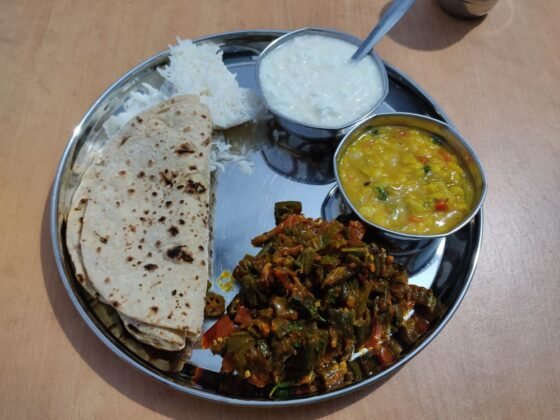
Keep dinner simple: fish or chicken with roasted vegetables and brown rice, a vegetable curry with lentils, or a bean chilli with a side salad.
Snacks
Healthy snacks are best when they are ready to grab. Keep fruit on the counter, a small bag of nuts in your bag, and yoghurt in the fridge. For more ideas on keeping your energy steady through the day, see https://healthsy.org/healthy-eating-energy/.
Conclusion
Healthy things to eat are not rare or expensive. They are the everyday foods you already know: vegetables, fruit, whole grains, beans, eggs, yoghurt, nuts, seeds, and healthy fats. Eat a variety of them across the week, build your plate with plenty of vegetables, and make small swaps that you can actually keep up. Healthy eating is not about perfection. It is about making the simple, good choice a little more often.
What are the healthiest things to eat every day?
Vegetables, fruit, whole grains, beans, eggs, yoghurt, nuts, and seeds are all good everyday choices. Eating a variety of them across the week gives your body a wide mix of nutrients.
How can I start eating healthy on a budget?
Start with cheap, filling foods like oats, lentils, beans, eggs, seasonal fruit, and frozen vegetables. They cost very little and form the base of many healthy meals.
Do I need to cut out all unhealthy foods?
No. Healthy eating is about what you eat most of the time, not about being perfect. Occasional treats are fine. The goal is to make healthy foods the easy, everyday choice and enjoy other foods in smaller amounts.
How many vegetables should I eat each day?
Aim to fill about half your plate with vegetables at lunch and dinner. That is a simple guide that works for most people. If you are not there yet, add one extra portion a day and build up gradually.
Disclaimer: This article is for general information only and is not medical advice. It is meant to help you learn about everyday foods and healthy eating habits. If you have a medical condition, or questions about your diet, please speak to a qualified healthcare professional.