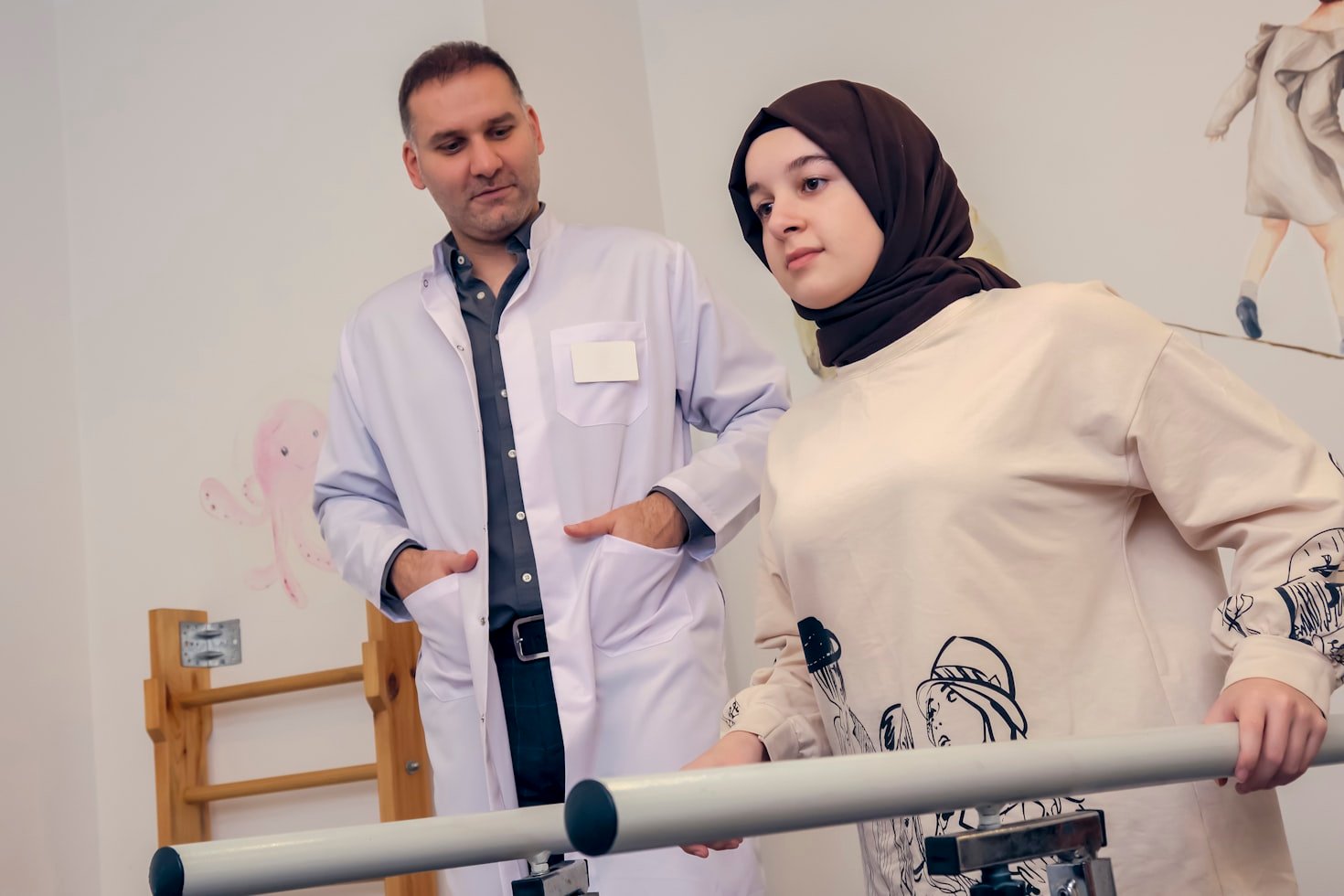
Why Personalized Support Matters in the Recovery Journey
Recovery is rarely a straight path. Every individual brings unique life experiences, emotional challenges, health histories, and personal goals to the process. Because of these differences, many wellness professionals recognize the importance of individualized treatment modification techniques based on ongoing assessment to help shape support plans that evolve alongside a person’s progress.
Rather than relying on a one-size-fits-all approach, personalized care encourages regular evaluation of emotional, behavioral, and lifestyle changes. This allows support strategies to remain relevant while promoting healthier habits, stronger resilience, and meaningful personal growth over time.
Understanding Individualized Treatment as Progress Evolves
Effective wellness support often depends on flexibility. As individuals encounter new challenges or milestones, their needs may change. Regular assessments can help healthcare professionals and recovery teams understand what is working well and where adjustments may be beneficial.
Using individualized treatment modification techniques based on ongoing assessment allows professionals to make thoughtful, evidence-informed decisions that reflect each person’s current circumstances instead of relying solely on an initial care plan.
This adaptive approach may help support:
- More realistic goal setting
- Improved engagement with recovery plans
- Better communication between individuals and care providers
- Greater confidence in long-term wellness strategies
Emotional Wellness Is an Ongoing Process
Emotional well-being develops through consistent habits rather than quick solutions. Many individuals experience periods of progress alongside moments of uncertainty, making ongoing support especially valuable.
Building emotional resilience often involves learning practical skills such as:
Developing Healthy Coping Strategies
Constructive coping techniques may include mindfulness exercises, journaling, structured problem-solving, and maintaining supportive social connections. These habits can contribute to improved emotional regulation during stressful periods.
Recognizing Personal Progress
Recovery milestones are not always measured by major achievements. Small improvements in daily routines, communication, emotional awareness, and decision-making often represent meaningful progress that deserves recognition.
How Continuous Assessment Supports Better Outcomes
Regular check-ins provide opportunities to review personal goals, discuss challenges, and identify positive changes. Instead of viewing assessments as evaluations to pass or fail, they can become valuable conversations that guide future decisions.
Professionals using individualized treatment modification techniques based on ongoing assessment may adjust wellness strategies to better align with changing emotional needs, lifestyle factors, or personal priorities while maintaining a person-centered approach.
These adjustments might include refining daily routines, recommending additional educational resources, encouraging family involvement when appropriate, or strengthening existing support systems.
Rebuilding Daily Habits That Encourage Stability
Healthy routines often serve as the foundation for emotional balance and sustainable recovery. Small, consistent actions typically have a greater long-term impact than dramatic lifestyle changes.
Supportive habits may include:
- Maintaining consistent sleep schedules
- Choosing balanced, nourishing meals
- Participating in regular physical activity appropriate for individual abilities
- Practicing relaxation or stress-management techniques
- Scheduling time for meaningful relationships and hobbies
- Keeping realistic daily and weekly goals
Over time, these behaviors can contribute to greater emotional stability and personal confidence.
The Connection Between Emotional and Physical Well-Being
Mental and physical health frequently influence one another. Emotional stress may affect sleep quality, energy levels, motivation, and overall wellness, while healthy physical habits often support emotional resilience.
A balanced recovery approach recognizes both aspects together, focusing on restoring overall emotional well-being and physical balance through sustainable lifestyle improvements rather than isolated interventions.
This perspective encourages individuals to view wellness as a combination of emotional awareness, physical self-care, supportive relationships, and consistent personal growth.
Building Strong Support Networks
No recovery journey happens in isolation. Family members, trusted friends, counselors, peer groups, and healthcare professionals can each provide different forms of encouragement.
Open communication and mutual understanding often strengthen long-term motivation. Many individuals benefit from learning more about evidence-based recovery practices through reputable organizations such as the Substance Abuse and Mental Health Services Administration, which offers educational resources on behavioral health and recovery support.
Looking Beyond Short-Term Improvement
Sustainable wellness focuses on developing skills that remain useful long after structured programs or intensive support have ended. Emotional resilience, healthy routines, self-awareness, and ongoing learning all contribute to long-term personal well-being.
As life circumstances evolve, individualized treatment modification techniques based on ongoing assessment can continue to provide a practical framework for adapting support strategies while respecting each individual’s unique experiences and goals.
When combined with healthy daily habits and supportive relationships, this personalized approach may assist in restoring overall emotional well-being and physical balance, helping individuals build a more stable, resilient, and fulfilling future through steady, informed progress.
