Healthy eating sounds simple, but in real life it can feel confusing. One week a food is praised, the next week it is criticised, and new diets seem to appear every few months. The good news is that healthy eating does not need to be complicated, strict, or expensive. At its heart, it is about choosing foods that help your body feel good and give you steady energy, most of the time. This guide explains it in plain language, from building a balanced plate to habits that help you keep eating well on busy days.
What Healthy Eating Really Means
Healthy eating is not about following strict rules or cutting out everything you enjoy. It is about the overall pattern of what you eat across days and weeks, not about one meal or one day.
It Is a Pattern, Not a Single Meal
A takeaway, a slice of cake at a birthday, or a skipped breakfast does not ruin healthy eating. What matters is what you do most of the time. If most meals include vegetables, fruit, whole grains, and protein, you are on the right track. Thinking in patterns takes the pressure off and makes healthy eating something you can keep doing for years.
Balance Over Perfection
Many people give up because they try to be perfect, then feel they have failed at the first slip. A kinder approach works better: plenty of nourishing foods, room for foods you enjoy, and no guilt attached to either. When you stop chasing perfection, healthy eating becomes a normal part of life.
Building a Balanced Plate
You do not need to count calories or weigh food to eat well. A simple plate method can guide most meals. Picture your plate in sections, and fill each one with something useful.
Half Vegetables and Fruit
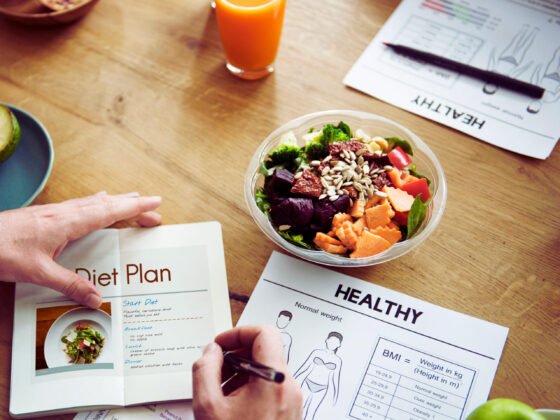
Try to make about half of your plate vegetables and fruit. They add colour, flavour, and fibre, and they help a meal feel satisfying without being heavy. Fresh, frozen, and tinned vegetables all count, so choose whatever is affordable. A side salad, steamed vegetables, or a piece of fruit is one of the simplest upgrades you can make. Leafy greens, berries, tomatoes, carrots, beans, and lentils are all easy additions, and our guide to foods that boost metabolism has more ideas for foods that can support your energy.
A Source of Protein at Every Meal
Protein helps you feel full and supports your muscles, so include something protein-rich at each meal. Good options include eggs, chicken, fish, beans, lentils, chickpeas, tofu, yoghurt, and cheese. A palm-sized serving at lunch and dinner is enough for most people, and plant-based options like beans and lentils add fibre too.
Whole Grains and Healthy Fats
Whole grains such as brown rice, oats, and whole wheat bread keep you full for longer than refined grains, because they still contain their fibre. Swapping white bread for whole wheat bread is a small change that adds up. Healthy fats have a place too: olive oil, nuts, seeds, and avocado add flavour and help your body absorb certain vitamins.
Simple Healthy Eating Habits That Actually Work
Knowing what to eat is only half the story. The habits around your meals often decide whether healthy eating sticks. These four are simple, and they work for busy people.
Plan a Little, Not a Lot
You do not need a detailed plan for every meal. Deciding on three or four dinners in advance can stop the last-minute scramble that usually ends in a takeaway, and it makes shopping easier and cuts food waste. Our guide to healthy meal planning shows how to build a simple weekly plan without spending hours on it.
Shop With a Short List
Most healthy eating decisions are made in the supermarket. Shopping with a short list helps you stick to what you need. Try to buy most of your food from the outer edges of the store, where fresh produce and dairy usually are, and spend less time in the middle aisles full of packaged snacks.
Cook More at Home
Home-cooked meals give you control over ingredients and portions in a way takeaways cannot. You do not need elaborate recipes: a vegetable stir-fry with rice, an omelette with salad, or a lentil soup can be ready in twenty minutes. Cooking in larger batches and saving leftovers for lunch is another easy win.
Slow Down and Pay Attention
How you eat matters almost as much as what you eat. Eating slowly and putting your phone away helps you notice when you are full and enjoy your meal more. Many people eat on autopilot and wonder why they still feel hungry. A few distraction-free minutes at each meal is a small habit with a big payoff. Learn more in our guide to mindful eating tips.
Drinks Matter Too
Water is the best choice for most of the day, and many people simply do not drink enough of it. Keep a bottle nearby and drink a glass with each meal. If plain water feels boring, add lemon, cucumber, or mint. Sugary drinks, including fizzy drinks and energy drinks, add a lot of sugar without making you feel full, so keep them as an occasional treat. Read our article on the benefits of drinking water to learn more about why hydration matters.
Common Mistakes to Avoid
The first mistake is skipping meals, especially breakfast. It often leads to strong hunger later, which makes calm, balanced choices harder. Regular meals, even small ones, usually work better.
The second mistake is labelling foods as completely good or completely bad. Forbidden foods become the ones you crave most. Think of everyday foods and sometimes foods instead: everyday foods make up most of your diet, and sometimes foods are enjoyed on occasion, without guilt.
The third mistake is very low-calorie diets or cutting out whole food groups without a good reason. These are hard to maintain and can leave you tired and hungry. If you have a health condition or are planning a major diet change, talk to a healthcare professional first.
Frequently Asked Questions
What is the simplest way to start eating healthy?
Start with one small change and build from there. Add a vegetable to dinner, swap white bread for whole wheat, or replace one sugary drink a day with water. Small changes are easier to keep, and once one becomes a habit, you can add another. Trying to change everything at once rarely lasts.
Is healthy eating expensive?
It does not have to be. Some of the healthiest foods are also the cheapest, including oats, eggs, beans, lentils, frozen vegetables, and seasonal fruit. Planning meals, buying in season, and cooking at home usually cost less than takeaways and ready meals.
Do I need to cut out sugar completely?
No. The aim is to reduce how often you eat foods and drinks very high in added sugar, not to ban them entirely. A sweet treat now and then is part of a balanced life. If sugary snacks are a daily habit, try fruit, yoghurt, or a small handful of nuts instead.
How long does it take to see the benefits of healthy eating?
Some people notice better energy and digestion within a couple of weeks, while other benefits take longer. Healthy eating works gradually, and results depend on your starting point and how consistent you are. Give new habits at least a few weeks before judging them.
Conclusion
Healthy eating is not a diet or a test you can pass or fail. It is a way of looking after yourself that fits into a normal, busy life. Build your plate around vegetables, fruit, whole grains, and protein, drink enough water, plan a little ahead, and eat slowly enough to enjoy your food. Start with one small change this week. Small steps, repeated often, turn healthy eating from a good intention into a lasting habit.
Disclaimer: This article is for general information only and is not medical advice. Everyone’s nutritional needs are different, so if you have a health condition or are thinking about making a major change to your diet, please talk to a healthcare professional for advice that is right for you.