Search for the best exercise for weight loss and you will find hundreds of certain-sounding answers. One site says running is the only way; another says lifting weights beats cardio every time.
The honest answer is simpler: there is no single best exercise for everyone. The best one fits your body, your schedule, and your life well enough that you will keep doing it. Weight loss happens when you move more and eat sensibly over weeks and months.
Different exercises do different jobs, and this guide looks at the main options so you can build a routine that works for you.
What Makes an Exercise Good for Weight Loss?
First, it should be something you can do regularly. A workout you enjoy twice a week beats one you dread and quit after ten days. Consistency matters far more than intensity.
Second, it should fit your fitness level. A gentle start protects your joints and your motivation.
Third, it should use enough of your body to feel like real movement — walking, swimming, cycling, dancing, lifting weights, or climbing stairs all count. Finally, it should leave you feeling better, not broken: some soreness is normal, but pain is a signal to slow down.
Walking: The Best Place to Start
Walking is easy to overlook because it feels too simple — and that is exactly what makes it so useful. It needs no equipment, no gym membership, and no special skill. Most people can start today, in the shoes they already own.
A daily walk raises your activity level without wearing you out. It is gentle on your knees and hips, and it fits into ordinary life — walking to the shops, taking the stairs, or going out after dinner all add up.
Start with a comfortable distance and add a little each week. A brisk pace, where you can talk but not sing, is a good target. For a fuller guide, read our article on the benefits of walking 30 minutes a day.
Running and Jogging
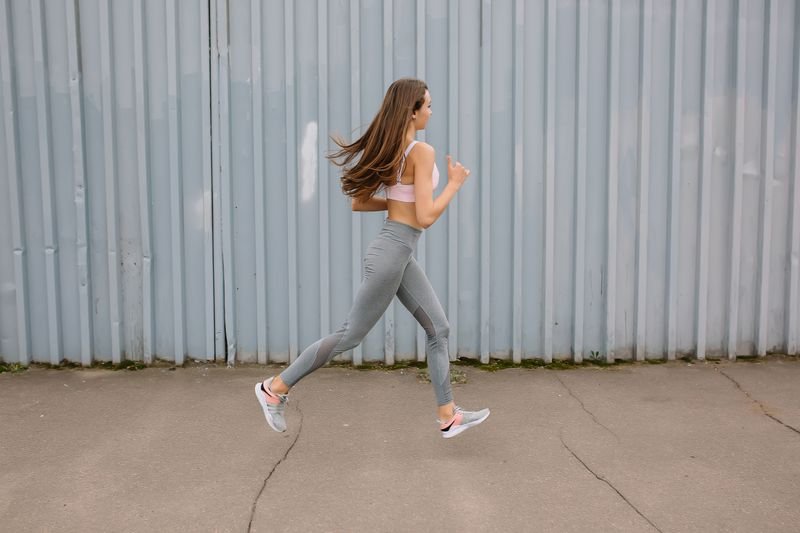
Running is one of the most efficient ways to get your heart working. It uses the whole body, can be done almost anywhere, and fits into a lunch break. For regular walkers, jogging is a natural next step.
The key is to build up slowly. A run-walk pattern works well: jog for a short stretch, walk until you feel ready, then jog again. Over a few weeks, the jogging stretches get longer and the walking breaks get shorter. Good shoes matter more than fancy gear. If your knees or hips hurt, slow down or go back to walking for a while.
Strength Training: The Overlooked Half of Weight Loss
People usually think of cardio first when they think about weight loss. Strength training often gets left out, yet it does something cardio cannot do on its own: it builds and keeps muscle.
Why Muscle Matters
Muscle supports your posture, protects your joints, and helps you carry groceries, climb stairs, and move through daily life with less effort. As we get older, keeping muscle becomes even more important, and strength training helps you hold on to the muscle you already have as you lose weight.
Simple Strength Moves to Start With
You do not need a gym full of machines. Bodyweight exercises are a fine start: squats, push-ups against a wall or on your knees, lunges, and glute bridges. Two or three short sessions a week are enough.
If you prefer to exercise at home, a simple routine built around these moves works well alongside your walks. Our guide to easy home workout plans for busy parents shows how to fit short strength sessions into a crowded day with no equipment. When bodyweight moves feel easy, resistance bands or dumbbells can add a new challenge.
Cycling, Swimming and Yoga
Cycling and swimming are excellent choices if you want a workout that is kind to your joints. Both raise your heart rate and work large muscle groups. Cycling also works as transport: riding to work or to the shops turns everyday trips into movement, and a stationary bike gives the same benefit without traffic or weather.
Swimming is one of the gentlest full-body workouts there is. The water supports your weight, so your joints get a break, while your arms, legs, and core all work together.
Yoga does not work your heart as hard as running or cycling, but it still has a real place in a weight loss plan. It builds strength, balance, and flexibility, and many people find it helps them sleep better and feel calmer, which makes healthy choices easier.
High-Intensity Interval Training (HIIT)
High-intensity interval training, or HIIT, means short bursts of hard effort followed by rest — for example, thirty seconds of fast movement, then a minute of walking, repeated several times. The whole workout often takes twenty minutes or less.
HIIT is not for everyone, and it is not required for weight loss. If you have a heart condition, joint problems, or you are just starting out, gentler exercise is better. A daily brisk walk beats a hard workout you only manage once a month.
How to Build a Weekly Exercise Routine
Here is a simple weekly pattern that works for many people:
- Three to five days of walking or other cardio, such as running, cycling, or swimming. Start with a manageable length and add a few minutes each week.
- Two days of strength training, with at least one rest day between them. Keep sessions short at first, around twenty to thirty minutes.
- One day of gentle movement, such as yoga, stretching, or a relaxed walk.
- One full rest day, so your body can recover.
The exact mix is up to you — what matters is that the week feels doable, not punishing. Food matters too: you do not need a strict diet, but a little planning helps. If you would like ideas, our guide to healthy meal planning is a good place to start.
Common Mistakes to Avoid
The first mistake is doing too much too soon. An hour of hard exercise every day leads to soreness, exhaustion, and giving up. A gradual start is the start that lasts.
The second is relying on exercise alone. Movement works best with sensible eating, good sleep, and less time sitting. If your food habits stay the same, exercise alone may not change your weight much — though it will still improve your health.
The third is comparing yourself to other people. Someone else’s routine, pace, or progress says nothing about yours.
Frequently Asked Questions
What is the best exercise for weight loss for beginners?
Walking is usually the best starting point. It is free, gentle on the joints, and easy to fit into daily life. Add short strength sessions twice a week when you feel ready.
Is cardio or strength training better for weight loss?
Both help, and they work best together. Cardio raises your activity level and supports heart health, while strength training builds and keeps muscle. A mix of the two is better than either one alone.
How often should I exercise to lose weight?
Aim for movement on most days, with a mix of walking or other cardio and two strength sessions. Even three days a week is a real beginning — add more as the habit settles in.
Can I lose weight by walking only?
Walking can be a big part of weight loss, especially with sensible eating. Many people start with walking alone and add strength training later. The key is to keep walking regularly over weeks and months.
Conclusion
The best exercise for weight loss is not a secret workout or a single perfect activity. It is the movement you enjoy enough to repeat, week after week. Walking, running, strength training, cycling, swimming, and yoga all have something to offer.
Start where you are: walk a little more, add strength work when you are ready, and give yourself time. Small, steady changes add up to real progress.
Disclaimer: This article is for general information only and is not medical advice. Please talk to a healthcare professional before starting a new exercise programme, especially if you have a medical condition, an injury, or you have been inactive for a long time.