
Weight loss is not one-size-fits-all, and for women it comes with its own realities: hormonal cycles, busy schedules, family meals to cook, and a lifetime of diet advice that often promises quick results and delivers frustration. The good news is that the strategies that work are usually simple, practical, and kind to your body.
This guide brings together ten realistic weight loss tips for women that focus on health first. None of them requires extreme dieting, expensive products, or hours in the gym. They work together, so start with the ones that feel easiest and build from there.
1. Eat Enough Protein at Every Meal
Protein is one of the most helpful nutrients for weight loss. It keeps you full for longer, supports muscle, and reduces the cravings that often appear between meals. Many women eat far less protein than they need, especially at breakfast.
Aim to include a protein source at each meal: eggs or yoghurt in the morning, lentils, beans, chicken, or fish at lunch and dinner. A palm-sized portion is a good guide. For more detail on how protein supports weight loss, see our guide to protein for weight loss: https://healthsy.org/protein-for-weight-loss/
2. Build Strength, Not Just Cardio
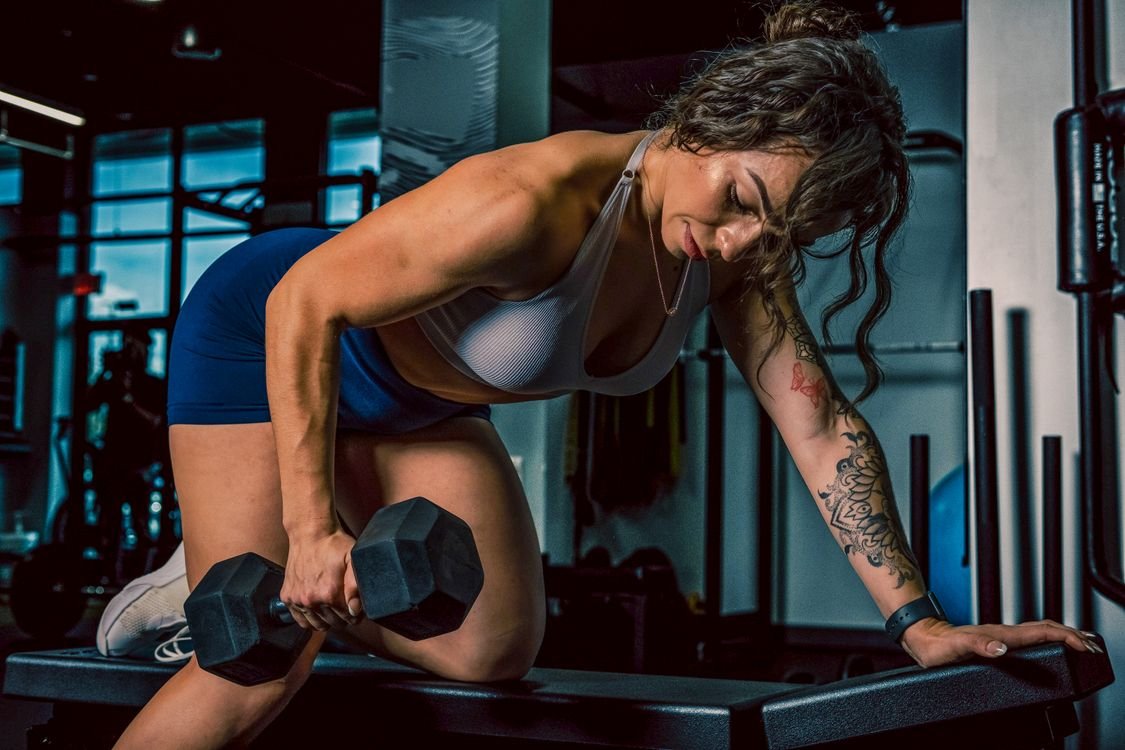
Walking and cardio are wonderful for health, but strength training is especially valuable for women. Muscle helps your body burn more energy even at rest, and it keeps you strong and toned as you lose weight.
You do not need a gym membership to start. Bodyweight exercises at home — squats, lunges, wall push-ups, and glute bridges — done two or three times a week are enough to begin. Our guide to the best exercise for weight loss explains how to combine cardio and strength for the best results: https://healthsy.org/best-exercise-for-weight-loss/
3. Make Vegetables the Star of Your Plate
Filling half your plate with vegetables lets you eat a satisfying meal on fewer calories. Add a salad or vegetable soup before your main course, keep cut vegetables in the fridge for snacking, and add an extra vegetable to every dinner.
This is one of the easiest changes to make, and it works because it adds food to your plate rather than taking it away.
4. Watch Liquid Calories
Sugary drinks, flavoured coffees, juices, and alcohol can add hundreds of calories a day without making you feel full. Swapping them for water, sparkling water, or unsweetened tea is one of the simplest weight loss wins available.
Keep a water bottle with you during the day. Many women find they snack less once they are properly hydrated, because thirst is sometimes mistaken for hunger.
5. Plan Your Meals and Snacks
When you are hungry and there is no plan, the easiest option usually wins — and that is often a takeaway or a biscuit. A rough plan for the next few days, plus a few healthy snacks ready to go, removes most of that decision-making.
Good ready snacks include fruit with nuts, yoghurt, boiled eggs, and vegetable sticks with hummus. Our healthy meal planning guide shows how to plan without spending hours cooking: https://healthsy.org/healthy-meal-planning/
6. Get Enough Sleep
Sleep and weight are closely linked. Short or poor-quality sleep can increase hunger hormones and make cravings for sweet and salty foods stronger the next day. It also makes it harder to find the energy to exercise or cook a proper meal.
Most adults need seven to nine hours a night. A regular bedtime, a screen-free wind-down, and a cool, dark bedroom all help. If sleep is a struggle, our article on healthy sleep habits has practical steps: https://healthsy.org/healthy-sleep-habits/
7. Manage Stress Before It Manages Your Eating
Stress is one of the most common reasons women overeat. When stress is high, the body craves quick comfort foods, and willpower alone rarely wins. Instead of fighting the craving, try addressing the stress: a short walk, a few minutes of deep breathing, stretching, or talking to a friend.
Keeping a simple note of when you eat out of stress — rather than hunger — can also help you spot patterns and plan around them.
8. Eat Mindfully and Slowly
Eating quickly, standing up, or in front of a screen makes it easy to overeat without noticing. Sitting down, putting your fork down between bites, and paying attention to your food helps you recognise fullness sooner.
This does not mean every meal must be a slow ritual. Even taking the first few bites of a meal slowly and without distraction can make a difference.
9. Be Realistic About Your Cycle
Hormonal changes through the menstrual cycle can affect appetite, water retention, and energy. Many women feel hungrier in the days before their period, and the scale may show a temporary rise from water retention.
This is normal. It does not mean your plan has failed. Being a little gentler with yourself during those days — and not weighing yourself daily — helps you stay consistent over the long term.
10. Track Progress Beyond the Scale
The scale is only one measure, and it can be misleading. Muscle gain, water retention, and hormonal changes all affect the number. Also track how your clothes fit, your energy levels, your sleep, and your strength.
A weekly check-in — same day, same time — is more useful than daily weighing. And remember that healthy weight loss is usually around half a kilo per week. Slow progress is still progress.
A Simple Daily Routine That Ties It Together
- Morning: a protein-rich breakfast, a glass of water, and a short walk if possible
- Midday: a balanced lunch with vegetables, protein, and whole grains
- Afternoon: a planned healthy snack instead of vending-machine food
- Evening: a home-cooked dinner, a screen-free wind-down, and a regular bedtime
- Through the week: two or three short strength sessions and daily walking
You do not need to do all of this at once. Pick two or three tips and practise them for a couple of weeks before adding more.
What to Avoid
- Crash diets and very low-calorie plans. They often lead to muscle loss, fatigue, and regaining the weight afterwards.
- Skipping meals. It usually leads to overeating later and makes blood sugar harder to manage.
- Comparing yourself to others. Bodies, schedules, and starting points are different. Your progress is your own.
- All-or-nothing thinking. One indulgent meal does not undo a week of good habits. The next meal is a fresh start.
For meal ideas that support these tips, our high protein recipes for weight loss collection is a good place to start: https://healthsy.org/high-protein-recipes-for-weight-loss/
Conclusion
Healthy weight loss for women is not about punishment or perfection. It is about eating enough protein, moving your body, sleeping well, managing stress, and being patient with yourself. The tips in this guide are simple on purpose — they are meant to fit into a real life with work, family, and busy days.
Start small, stay consistent, and measure progress in more ways than the number on the scale. That is how weight loss becomes lasting change rather than another short-lived diet.
FAQs
What is the best way for women to lose weight?
A balanced approach works best: protein-rich meals, plenty of vegetables, regular movement including strength training, good sleep, and stress management. Extreme diets rarely work long term.
Why is weight loss slower for women than men?
Women generally have less muscle mass and different hormonal patterns, which can mean a lower resting energy burn. This is normal — it means patience matters even more, not that the plan is failing.
How much weight can a woman lose in a month?
A realistic and sustainable rate is around 2 kg per month. Faster loss is often water weight and is harder to maintain.
Should women do strength training for weight loss?
Yes. Strength training helps preserve muscle while losing fat, supports bone health, and increases the energy your body burns at rest. Two or three short sessions a week are enough to start.
Disclaimer: This article is for general wellness information only and is not medical advice. If you have a medical condition, are pregnant, or are considering a major change to your diet or exercise routine, please consult a qualified healthcare professional.





