You decide to eat healthier, buy fresh vegetables and lean protein, and then a busy Tuesday arrives. You are tired, hungry, and the takeaway app is one tap away. That is the moment most weight-loss plans fall apart — not from a lack of willpower, but from a lack of a plan.
Meal prep solves this problem. When healthy food is already cooked, portioned, and waiting in the fridge, the easy choice becomes the healthy choice. This guide explains what meal prep is, why it helps with weight loss, and how to build a simple weekly routine that fits real life.
What Is Meal Prep?
Meal prep means preparing some or all of your meals in advance, usually once or twice a week. It does not mean eating the same thing every day, and it does not mean spending your whole Sunday in the kitchen. A good routine takes one to two hours and saves far more time — and far more poor decisions — during the week.
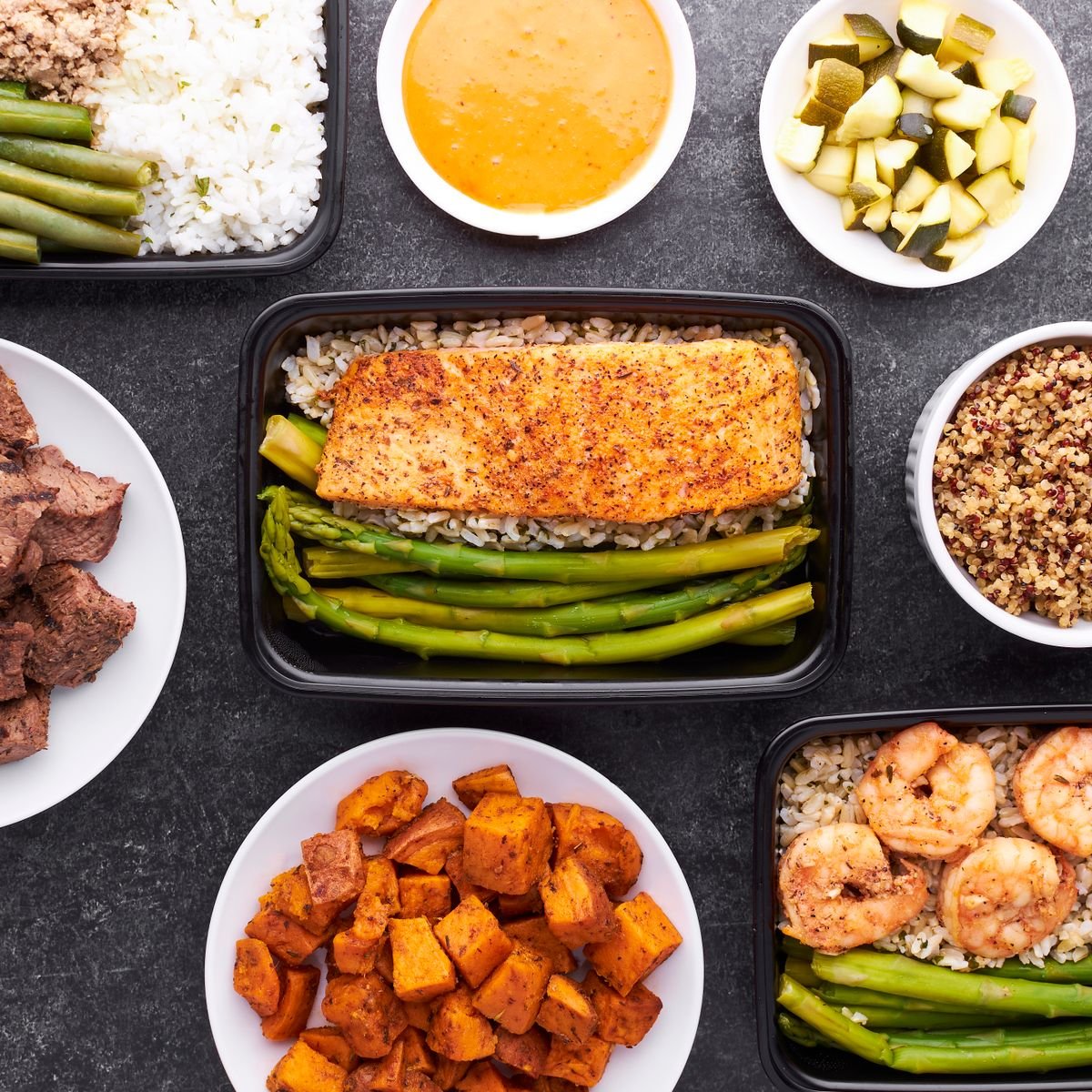
There are three simple ways to do it. Batch cooking means cooking large amounts of a few foods, such as rice, chicken, and roasted vegetables, then mixing and matching them through the week. Full meals means cooking complete meals and storing them in containers, ready to heat and eat. Ingredient prep means washing, chopping, and cooking the building blocks — grains, proteins, vegetables, sauces — so assembling a meal takes five minutes instead of forty. Start with whichever feels easiest and build from there.
Why Meal Prep Helps With Weight Loss
It Removes the Daily Decision
Every meal is a decision, and decisions get harder when you are tired or hungry. When lunch is already packed, you do not have to decide what to eat — you just eat what is there. Fewer decisions mean fewer chances to choose something you will regret.
It Controls Portions Naturally
When you portion food into containers at home, you decide the amount once, calmly, instead of deciding at the table while you are hungry. Using similar-sized containers each week also trains your eye for what a sensible portion looks like, which helps even on days you do not prep.
It Keeps Healthy Food Within Reach
Weight loss is much easier when healthy food is the convenient option. A fridge full of ready meals beats a fridge full of raw ingredients you still have to cook. For a broader look at planning balanced meals, see our healthy meal planning guide.
It Saves Money and Reduces Waste
Planning means you buy only what you need, use up what you buy, and throw away less food. It also means fewer takeaways and fewer impulse purchases. Over a month, the savings add up.
A Simple Weekly Meal Prep Plan
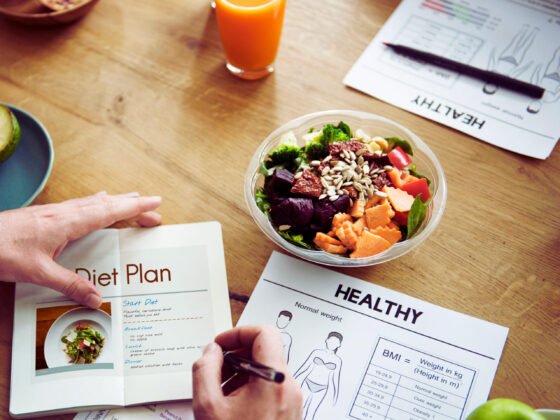
Step 1: Pick your meals. Choose three or four lunches and dinners for the week, plus one or two breakfast options. Keep it simple — meals you already like and know how to cook.
Step 2: Write a shopping list. List everything you need, then check what you already have. Shopping with a list stops impulse buys and forgotten ingredients.
Step 3: Shop once. One focused shop is better than several rushed trips during the week.
Step 4: Prep in one session. Pick a time that suits you — Sunday afternoon is popular, but any quiet hour works. Cook your grains, roast your vegetables, grill or bake your protein, and chop anything that needs chopping.
Step 5: Portion and store. Pack meals into containers, label them with the day if it helps, and put them in the fridge or freezer.
If a full week feels like too much, start with just lunches for three days. That alone removes three of the hardest decisions of the week.
Batch-Cooking Basics
Batch cooking is the heart of meal prep. Cook a few versatile foods in larger amounts, then combine them differently so meals do not feel repetitive.
Cook one or two grains. Rice, quinoa, or wholemeal pasta keep well for three to four days in the fridge. Cook a large pot, let it cool, and store it in a sealed container.
Cook two proteins. Grilled chicken breast, baked fish, boiled eggs, lentils, chickpeas, or tofu are all good choices. Protein helps you feel full, which matters for weight loss, and our guide to protein for weight loss explains why it deserves a place in every meal.
Roast a tray of vegetables. Broccoli, carrots, peppers, courgette, sweet potato, and cauliflower roast well together. Toss with a little olive oil and seasoning, spread them out so they crisp instead of steaming, and roast until tender. Add one sauce — a tomato sauce, a yoghurt-herb dressing, or a lemon and garlic dressing — and the same base ingredients can taste completely different.
With these building blocks, a meal is just a combination: grain plus protein plus vegetables plus sauce. Change the combination and the sauce, and the same ingredients give you several different meals.
Portion and Container Tips
Use containers with compartments or similar sizes — they make portioning automatic and keep food from mixing. Glass reheats well and does not stain; lightweight plastic is better for carrying to work. Keep sauces separate, since dressings stored separately stop salads and grains from going soggy. Use the plate method as a guide: roughly half the container vegetables or salad, a quarter protein, and a quarter whole grains. Label containers with the day so you never have to guess what is still fresh.
7 Easy Meal Prep Ideas for Weight Loss
Here are practical ideas you can rotate through the week. Each one is simple, filling, and easy to store.
1. Overnight Oats
Mix rolled oats with milk or yoghurt, chia seeds, and fruit in a jar the night before. By morning it is soft, creamy, and ready to eat. Make three or four jars at once and vary the fruit and toppings.
2. Egg Muffins
Whisk eggs with chopped vegetables, spinach, and a little cheese, pour into a muffin tray, and bake. They keep in the fridge for three to four days and reheat in a minute — a filling, protein-rich breakfast or snack.
3. Chicken and Vegetable Bowls
Grilled chicken, brown rice, roasted vegetables, and a simple dressing, packed with the dressing separate. Swap the chicken for chickpeas or tofu for a meat-free version.
4. Lentil and Vegetable Soup
A big pot of lentil soup with carrots, onions, tomatoes, and spices costs very little, freezes well, and is filling thanks to the fibre and protein in lentils. Portion it into containers and freeze half for next week.
5. Turkey or Bean Chilli
Lean turkey mince or mixed beans simmered with tomatoes, peppers, onions, and spices. Serve with a small portion of rice or a wholemeal wrap. It tastes even better the next day, which makes it ideal for prep.
6. Salmon and Roasted Vegetables
Baked salmon fillets with roasted sweet potato and green beans, cooked on one tray. Salmon provides healthy fats and protein. For more high-protein meal ideas, see our high-protein recipes for weight loss.
7. Snack Boxes
Small containers with hummus, carrot and cucumber sticks, a boiled egg, a handful of nuts, or fruit and yoghurt. A ready snack stops the afternoon trip to the vending machine or the biscuit tin.
Storage and Food Safety Basics
Let cooked food cool for up to an hour before sealing and refrigerating — hot food in a sealed container creates condensation and spoils faster. Most cooked meals are best eaten within three to four days. If you prep for a full week, freeze the meals for Thursday and Friday and move them to the fridge the night before. Soups, stews, chilli, and cooked grains freeze well in portions; label freezer containers with the contents and date. Reheat food until it is steaming hot all the way through, and reheat only once. If food smells off, looks slimy, or tastes strange, throw it away — when in doubt, do not eat it.
Common Meal Prep Mistakes to Avoid
Prepping food you do not enjoy. If you hate plain chicken and rice, you will not eat it on Wednesday, no matter how healthy it is. Prep meals you actually look forward to.
Making every meal the same. Eating the identical lunch five days in a row gets boring fast. Cook two or three different meals, or vary the sauces and sides so each day feels different.
Skipping snacks. If you only prep main meals, hunger between meals can undo your plan. Prep a snack or two as well.
Overcomplicating the first week. A perfect plan you abandon after one week is worse than a simple plan you repeat for months. Start with three days of lunches, then expand.
Prepping too much. Food that goes uneaten is wasted effort. Start with realistic amounts and adjust as you learn how much you actually eat.
Conclusion
Meal prep for weight loss is not about perfection or eating the same meal every day. It is about making healthy eating the easy option: a fridge full of ready meals, sensible portions decided in advance, and no last-minute decisions when you are tired and hungry.
Start small. Choose a few meals you enjoy, cook them in one session, and portion them into containers. Add a snack or two, keep your sauces separate, and store everything safely. As the routine becomes a habit, you can expand it — more meals, more variety, more days covered. That is how meal prep turns a weight-loss intention into something that actually works.
FAQs
How many days ahead can I meal prep?
Most cooked meals keep well in the fridge for three to four days. If you want to prep for a full week, freeze the meals for the later days and move them to the fridge the night before you plan to eat them.
Do I have to eat the same meal every day when I meal prep?
No. Cook two or three different meals, or batch-cook versatile ingredients such as grains, proteins, and roasted vegetables, then combine them differently and change the sauce so each day feels different.
What containers are best for meal prep?
Glass containers or good-quality BPA-free plastic containers with tight lids work well. Containers with compartments help with portioning, and keeping sauces and dressings separate stops food from going soggy.
Is meal prep expensive?
It usually saves money. Planning means you buy only what you need, waste less food, and order fewer takeaways. Simple staples such as lentils, beans, eggs, rice, and seasonal vegetables keep the cost low.
Disclaimer: This article is for general wellness information only and is not medical advice. If you have a medical condition, take medication, or are considering a major change to your diet, please consult a qualified healthcare professional.