Losing weight is a big achievement — and for many people, loose skin is an unexpected part of the journey. After the body has carried extra weight for a long time, the skin may not bounce back straight away. That is normal, and it is very common.
So how do you tighten skin after weight loss? There is no quick fix, and no cream or supplement can guarantee firm skin. But several healthy habits can support your skin’s natural elasticity over time, and help you feel more comfortable in your body. This guide covers what realistically helps, what does not, and when it is worth talking to a professional.
Why Skin Becomes Loose After Weight Loss
Skin is stretchy by design. It expands as the body grows and, ideally, contracts again when the body gets smaller. But how well it bounces back depends on several things:
- How much weight you lost: larger weight loss usually means more loose skin.
- How quickly you lost it: very fast weight loss gives skin less time to adjust.
- How long you carried the extra weight: skin that has been stretched for years may recover more slowly.
- Your age: younger skin tends to be more elastic, while skin naturally loses some elasticity with age.
- Genetics and sun exposure: both affect how elastic your skin is.
Knowing this helps set realistic expectations. Some tightening happens naturally over months, especially when you support your body with the habits below. For some people, a degree of loose skin remains — and that is a normal part of a body that has changed a lot.
Strength Training: The Most Useful Step
Building muscle is one of the most helpful things you can do. Muscle fills out the space under the skin, which can improve how the skin looks and feels. It also supports your metabolism as you maintain your new weight.
You do not need a gym membership to start. Bodyweight exercises at home — squats, push-ups, lunges, and planks — all build strength. If you do use a gym, resistance machines and free weights work well too. Aim for two or three strength sessions a week, covering the major muscle groups, and increase the difficulty gradually. Our guide on the best exercise for weight loss explains how to combine strength and cardio sensibly.
Start gently if you are new to strength training, and consider asking a qualified trainer to check your form. Sore muscles for a day or two after a new workout are normal; sharp pain is a sign to stop and rest.
Eat to Support Your Skin
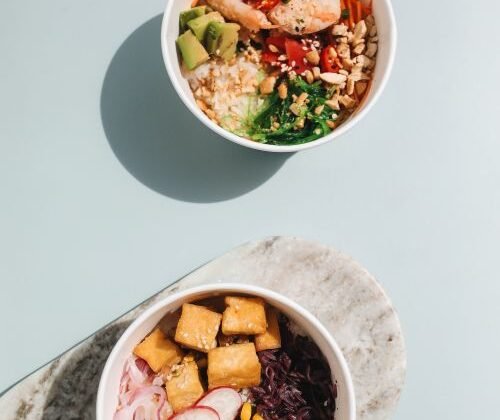
Your skin needs nutrients to stay healthy and elastic. A balanced diet that supports weight maintenance also supports your skin:
- Enough protein: protein is a building block of skin and muscle. Include a protein source at each meal — eggs, fish, chicken, beans, lentils, tofu, or yoghurt. Our guide on protein for weight loss explains how much protein is generally useful.
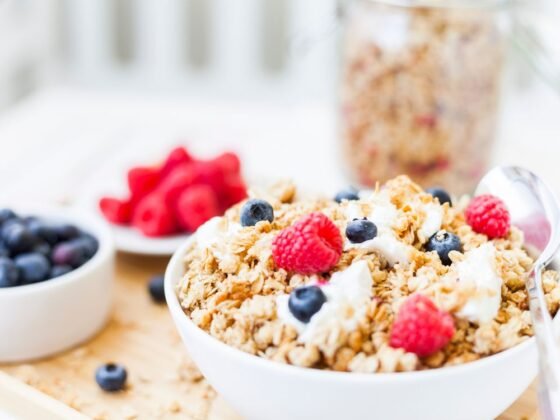
- Vitamin C: this vitamin helps the body make collagen, a protein that gives skin its structure. Citrus fruits, berries, peppers, and broccoli are good sources.
- Healthy fats: small amounts of olive oil, nuts, seeds, and oily fish support skin health.
- A variety of fruit and vegetables: they provide vitamins and minerals that support skin repair. See our guide to healthy foods to eat everyday for ideas.
Crash diets and very low-calorie eating can work against you here: they may cause muscle loss and leave the skin with less support. Slow, steady weight loss is kinder to your skin.
Stay Hydrated
Water is essential for skin health. Well-hydrated skin looks and feels better than dry skin. Aim to drink water regularly through the day, and eat water-rich foods such as cucumber, watermelon, and soups. You do not need to force large amounts — a steady intake, with pale yellow urine as a rough guide, is enough for most people.
Look After Your Skin From the Outside
Good skincare will not remove loose skin, but it can help your skin look and feel its best:
- Moisturise daily: keeping skin moisturised helps it stay supple and comfortable.
- Protect yourself from the sun: sun damage breaks down collagen and reduces elasticity, so use sunscreen and cover up in strong sun.
- Avoid smoking: smoking damages collagen and reduces blood flow to the skin, which slows repair.
- Be gentle: avoid harsh scrubbing and very hot showers, which can dry the skin out.
Give It Time
Skin adjusts slowly. It can take many months — sometimes a year or more — for skin to tighten as much as it is going to after significant weight loss. If you are still losing weight, it is worth waiting until your weight has been stable for several months before judging the result. Patience is part of the process, even though it can be frustrating.
What Does Not Work
It is worth knowing what to skip, so you do not waste money or hope:
- “Skin-tightening” creams: moisturisers can improve how skin feels, but no cream can tighten loose skin in a meaningful way.
- Collagen supplements: the evidence for these is limited, and they are not a substitute for a balanced diet and strength training.
- Wraps and detox teas: these do not tighten skin, and some can be harmful.
- Extreme diets: very fast weight loss usually makes loose skin worse, not better.
When to Talk to a Professional
If loose skin is causing you discomfort — for example, skin irritation, rashes under folds of skin, difficulty exercising, or significant distress about how you look — it is worth speaking to a qualified healthcare professional. They can check your skin, rule out any problems, and explain what options exist, including whether a surgical consultation might be appropriate in your case. Surgery is a personal decision with real risks and costs, so it deserves a careful, unhurried conversation with a qualified professional — never a rushed choice.
A Note on Body Image
Loose skin can be hard to accept, especially after you have worked so hard to lose weight. It is understandable to feel frustrated or self-conscious. Try to remember what your body has achieved: it carried you through a major change. Focusing on what your body can do — walk further, lift more, feel stronger — often helps more than focusing on how it looks. If body image worries are affecting your mood or daily life, talking to someone you trust or a professional can help. Our guide on why mental health is important looks at how mind and body support each other.
Conclusion
Tightening skin after weight loss is a gradual process. Strength training to build muscle, a balanced diet with enough protein, good hydration, sun protection, and patience are the habits that genuinely help. Some loose skin may remain, and that is normal — it is a sign of how far you have come, not a failure.
Focus on the healthy habits you can control, give your body time to adjust, and speak to a professional if loose skin is causing you pain, irritation, or distress.
FAQs
How long does it take for skin to tighten after weight loss?
It varies a lot. Skin can keep adjusting for many months after your weight stabilises, sometimes a year or more. Age, genetics, how much weight you lost, and how quickly you lost it all play a part.
Does exercise tighten loose skin?
Exercise cannot tighten skin directly, but strength training builds muscle underneath the skin, which can improve how the skin looks and feels. It is one of the most useful steps you can take.
Do skin-tightening creams work?
No cream can tighten loose skin in a meaningful way. Moisturisers help skin feel supple and comfortable, but they do not shrink loose skin.
Should I consider surgery for loose skin?
That is a personal decision. If loose skin causes pain, rashes, difficulty moving, or significant distress, speak to a qualified healthcare professional. They can explain the options, risks, and costs so you can decide with clear information.
Disclaimer: This article is for general wellness information only and is not medical advice. If loose skin is causing you pain, irritation, or distress, please speak to a qualified healthcare professional.