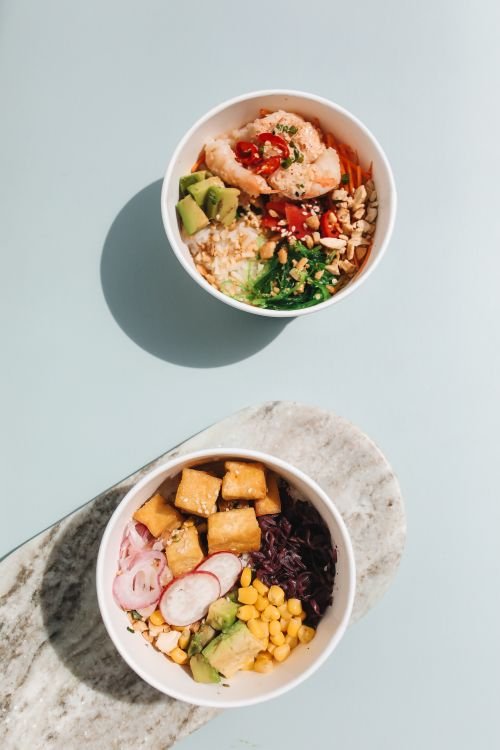
Rice is one of the most widely eaten foods in the world, and it is also one of the most questioned when people try to lose weight. Some people cut it out completely, while others eat it every day and still lose weight. So is rice good for weight loss? The honest answer is: it can be — it depends on the type of rice, how much you eat, and what you eat with it.
This guide looks at how rice fits into a weight-loss plan, the difference between white and brown rice, and simple ways to enjoy rice without overdoing it. For a broader look at healthy eating, see our guide on healthy eating.
Why Rice Gets Blamed for Weight Gain
Rice is a starchy carbohydrate, which means it is a source of energy. A cup of cooked rice contains a moderate number of calories, and it is easy to eat more than you planned — especially when it is served in large portions alongside rich sauces or fried foods.
But rice itself is not the problem. Weight gain usually comes from eating more calories than your body uses over time, not from one single food. A food is rarely “good” or “bad” on its own; what matters is the overall pattern of how you eat. Rice can fit into that pattern very well when portions are sensible and the rest of the plate is balanced.
White Rice vs Brown Rice for Weight Loss
White Rice
White rice has had its bran and germ removed, which makes it softer and quicker to cook. It is lower in fibre than brown rice, so it is digested faster and may leave you feeling hungry sooner. That does not make white rice off-limits — it just means portion control matters more, and it helps to pair it with fibre and protein.
Brown Rice
Brown rice keeps its bran layer, so it contains more fibre and a few more nutrients than white rice. Fibre helps you feel full for longer, which can make it easier to eat less overall. Many people find brown rice more satisfying for the same portion size.
Which One Is Better?
For weight loss, brown rice has a small advantage because of its fibre. But the difference between the two is modest — much smaller than the difference between a sensible portion and a very large one. If you prefer white rice, you can still enjoy it: just watch your portion and fill the rest of your plate with vegetables and lean protein.
How Much Rice Should You Eat?
Portion size is the key to eating rice while losing weight. A common guide is about one cup of cooked rice per meal — roughly the size of your fist, or about a quarter of your plate. The rest of the plate can be vegetables (about half) and a protein source (about a quarter).
Some people find it helps to measure rice for a few weeks until they can judge portions by eye. Cooking a set amount, rather than a whole pot, also makes it easier to avoid second helpings.
What to Eat With Rice
What you serve with rice matters as much as the rice itself. A balanced rice meal usually includes:
- Plenty of vegetables: leafy greens, broccoli, carrots, beans, or a salad add volume and fibre for very few calories. Our guide to leafy vegetables for weight loss has plenty of ideas.
- A lean protein: chicken, fish, eggs, tofu, lentils, or beans help you feel full and support your muscles while you lose weight. See our guide on protein for weight loss for more.
- A small amount of healthy fat: a drizzle of olive oil or a few nuts can add flavour, but fats are calorie-dense, so a little goes a long way.
Meals built this way — rice plus vegetables plus protein — are filling, satisfying, and much easier to keep within your calorie needs than rice with a heavy, creamy sauce or fried accompaniments.
Simple Tips to Enjoy Rice While Losing Weight
Choose Whole Grains When You Can
Brown rice, red rice, and other whole-grain varieties add fibre that keeps you fuller. If you find brown rice too chewy, try mixing half white and half brown rice while you adjust.
Cool It and Reheat It
Cooked rice that is cooled and then reheated develops more resistant starch, a type of fibre that is digested more slowly. It is a small effect, but cooking rice ahead and reheating it — as in meal prep ideas for weight loss — can be a useful habit.
Watch the Extras
The calories in a rice meal often come from what is added: large amounts of oil, butter, creamy sauces, or fried toppings. Cooking rice in water, keeping sauces light, and adding flavour with herbs, spices, lemon, or chilli keeps the meal lighter without losing taste.
Eat Slowly and Mindfully
Eating slowly gives your body time to notice fullness. Put your fork down between bites, chew well, and check in with yourself halfway through the meal. Many people find they are satisfied with less than they expected.
Rice in Different Cuisines
Rice appears in many food traditions, and most of them have weight-friendly ways to enjoy it. A vegetable stir-fry with rice, a lentil and rice dish, or a rice bowl with grilled fish and salad are all balanced meals. The pattern is the same everywhere: rice as one part of the plate, not the whole plate, with plenty of vegetables and a protein source alongside it.
Common Myths About Rice and Weight Loss
“You must cut out rice to lose weight.”
No. Many people around the world eat rice daily and maintain a healthy weight. Cutting out foods you enjoy often makes a diet harder to stick to.
“Brown rice is always better than white rice.”
Brown rice has more fibre, but white rice is not harmful. The overall balance of your meal matters more than the type of rice.
“Rice makes you gain weight.”
Rice only contributes to weight gain if you regularly eat more calories than you use. Portion size and what you eat with it matter far more than the rice itself.
When Rice Might Not Be the Best Choice
Some people find rice hard to portion — if you often eat far more than planned, you might prefer lower-calorie bases like cauliflower rice or a large salad some days. That is a personal choice, not a rule. And if you have a health condition such as diabetes, it is worth discussing carbohydrate portions with a qualified healthcare professional or dietitian, since they can give advice tailored to you.
Conclusion
So, is rice good for weight loss? Yes — rice can absolutely be part of a weight-loss plan. It is a filling, affordable, and versatile food. Choose brown rice when you can for extra fibre, keep portions to about a quarter of your plate, and pair it with plenty of vegetables and a lean protein.
You do not need to give up foods you love to lose weight. A balanced plate, sensible portions, and habits you can keep are what make the difference in the long run.
FAQs
Can I eat rice every day and still lose weight?
Yes, if your overall meals stay within your calorie needs. Keep portions to about a cup of cooked rice per meal and fill the rest of your plate with vegetables and protein.
Is brown rice better than white rice for weight loss?
Brown rice has more fibre, so it tends to keep you full for longer. The difference is modest, though — portion size and what you eat with the rice matter more.
How much rice should I eat to lose weight?
A common guide is about one cup of cooked rice per meal, roughly a quarter of your plate. Measuring for a few weeks can help you learn what that looks like.
Does eating rice at night cause weight gain?
No. Weight change depends on your total intake over time, not the time of day you eat rice. A balanced rice meal in the evening is fine — just keep the portion sensible.
Disclaimer: This article is for general wellness information only and is not medical advice. If you have a health condition such as diabetes, please speak to a qualified healthcare professional or dietitian about carbohydrate portions that suit you.