Inflammation gets a bad reputation, and for good reason when it sticks around too long. But the truth is, a little inflammation is your body’s normal way of healing — it’s what helps a cut close up or a sore muscle recover. The problem starts when it becomes chronic, quietly simmering in the background for months or years. That kind of low-grade inflammation is linked to feeling tired, achy, and generally run down.
The good news is that what you eat every day plays a real role in calming things down. You don’t need a special diet or expensive supplements. Some of the most powerful anti-inflammatory foods are the ones you probably already know — and maybe already have in your kitchen. Here are twelve of them, plus a few practical ways to actually eat more of them.
Fatty Fish
If there’s one food group that comes up again and again when people talk about fighting inflammation, it’s oily fish. The reason is simple: they’re rich in omega-3 fatty acids, the healthy fats that help your body produce compounds that quiet the inflammatory response.
Salmon
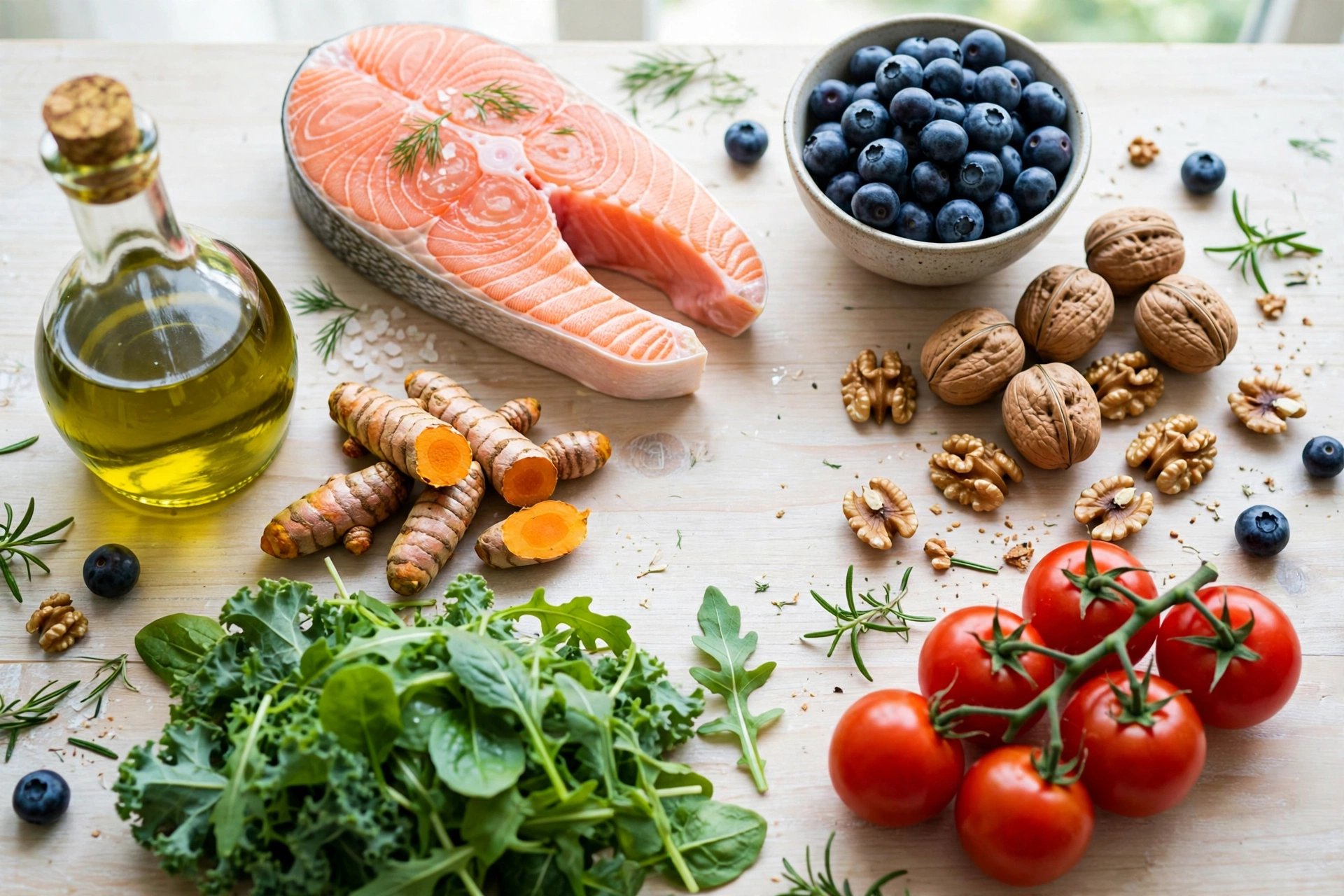
Salmon is the classic choice, and for good reason. It’s tasty, widely available, and one of the richest sources of omega-3s you can eat. Try to have it once or twice a week — grilled, baked, or pan-fried with a squeeze of lemon. If fresh salmon feels pricey, tinned salmon works well in salads and sandwiches too.
Sardines
Sardines might not be everyone’s first pick, but they’re a nutritional powerhouse. They’re small, so they carry very little mercury, and they’re packed with omega-3s as well as calcium from their soft, edible bones. Mash them onto toast with a little lemon and black pepper, and they become surprisingly delicious.
Berries
Berries are small, sweet, and full of colour — and that colour is a clue. The deep reds, blues, and purples come from plant compounds called anthocyanins, which have been shown to help calm inflammation in the body.
Blueberries
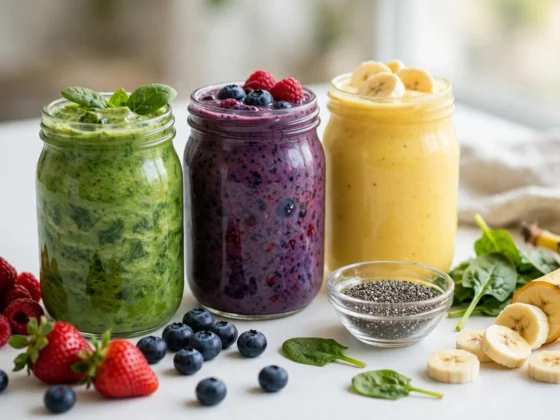
Blueberries are probably the best-known of the bunch. A handful in your morning oats, blended into a smoothie, or eaten straight from the punnet makes an easy snack. Frozen blueberries are just as good as fresh and often much cheaper, so there’s no excuse to skip them.
Strawberries
Strawberries bring the same kind of benefits with a flavour most people love. They’re also a good source of vitamin C, which supports your immune system. Slice them over yoghurt, add them to salads, or just eat them on their own — they’re one of the easiest healthy snacks out there.
Leafy Greens and Cruciferous Vegetables
Vegetables are the backbone of any anti-inflammatory way of eating. Leafy greens and their cruciferous cousins — the cabbage family — are especially rich in vitamins, minerals, and plant compounds that support your body’s natural defences.
Spinach
Spinach is mild, versatile, and cooks down to almost nothing, which means you can sneak a big handful into pasta sauces, soups, curries, and smoothies without really noticing it. It’s rich in folate and vitamin K, and it pairs well with just about everything.
Kale
Kale has earned its reputation as a health food. It’s sturdy, so it holds up in soups and stews, and when massaged with a little olive oil and lemon it makes a great salad base. If raw kale feels too tough, try roasting the leaves into crispy chips with a pinch of salt.
Broccoli
Broccoli is another member of the cruciferous family worth eating regularly. It’s rich in a compound called sulforaphane, which researchers have linked to reduced inflammation. Roast it until the edges go crispy, steam it lightly, or stir-fry it with garlic and a splash of soy sauce.
Healthy Fats and Oils
Not all fats are the enemy. In fact, the right kinds of fat are some of the most anti-inflammatory foods you can eat. The key is choosing fats that come from whole foods and plants rather than heavily processed sources.
Olive Oil
Extra virgin olive oil is the cornerstone of the Mediterranean way of eating, and it’s one of the simplest swaps you can make. Use it for salad dressings, drizzle it over cooked vegetables, or use it instead of butter when you’re cooking. It contains a compound called oleocanthal, which works in a similar way to some anti-inflammatory medicines — though of course, olive oil is a food, not a drug.
Avocados
Avocados are creamy, filling, and full of monounsaturated fats — the same kind of healthy fat found in olive oil. They’re also a good source of fibre and potassium. Spread one on toast, add it to salads, or blend it into a smoothie for extra creaminess. Just remember they’re energy-dense, so a half or a whole one a day is plenty for most people.
Nuts, Seeds, and Whole Grains
These foods add crunch, fibre, and healthy fats to your meals, and they help keep you full — which makes it easier to avoid the processed snacks that can drive inflammation up.
Walnuts
Walnuts stand out among nuts because they’re one of the few plant foods that contain a meaningful amount of omega-3s. A small handful makes a great snack, and they add a lovely crunch to salads, oatmeal, and baked goods.
Turmeric
Turmeric is a spice, not a food you’d eat on its own, but it deserves a place on this list. Its active compound, curcumin, is one of the most studied natural anti-inflammatory substances around. Add it to curries, soups, and rice dishes — and pair it with a pinch of black pepper, which helps your body absorb curcumin better. A warm mug of golden milk made with turmeric, milk, and a little honey is a comforting way to end the day.
Whole Grains
Whole grains like oats, brown rice, and quinoa are rich in fibre, and fibre feeds the good bacteria in your gut — which in turn helps keep inflammation in check. Swapping refined grains for whole ones is a small change that adds up. If you’re planning your meals for the week, our guide to healthy meal planning shows how to build balanced plates without overthinking it.
Foods to Limit
Eating more anti-inflammatory foods works best when you also cut back on the foods that push inflammation in the other direction. You don’t need to ban anything completely, but it’s worth being aware of the usual suspects.
Highly processed foods — think crisps, biscuits, instant noodles, and ready meals — are often high in refined oils, added sugar, and salt, and low in the nutrients your body actually needs. Sugary drinks are another big one: a can of fizzy drink can contain far more sugar than you’d expect, and that sugar can fuel inflammation. The same goes for too much red and processed meat, like bacon, sausages, and salami, especially when they’re eaten every day.
Alcohol is worth mentioning too. An occasional drink is fine for most people, but regular heavy drinking is linked to higher levels of inflammation. And if you’re looking for more ideas on foods that work with your body rather than against it, take a look at our list of foods that boost metabolism — many of them overlap with the ones here.
Practical Tips to Eat More Anti-Inflammatory Foods
Knowing which foods help is one thing; actually eating them every day is another. Here are a few tips that make it easier:
- Start with one meal. You don’t need to overhaul your whole diet overnight. Pick breakfast — add berries to your oats or spinach to your eggs — and build from there.
- Keep frozen berries and vegetables on hand. They’re cheap, they don’t go off, and they’re just as nutritious as fresh.
- Cook with olive oil. Swap it in for butter or other cooking fats most of the time.
- Snack smart. Replace crisps and biscuits with a handful of walnuts, an apple, or some carrot sticks with hummus.
- Stay hydrated. Water supports every process in your body, including the ones that keep inflammation in check. If plain water bores you, try adding slices of cucumber, lemon, or mint. You can read more about why it matters in our article on the benefits of drinking water.
- Plan ahead. A little planning at the start of the week makes healthy eating almost automatic — and much cheaper than last-minute takeaways.
Frequently Asked Questions
How long does it take for anti-inflammatory foods to make a difference?
There’s no fixed timeline, and it varies from person to person. Most people who shift towards eating more whole foods, vegetables, and healthy fats notice they feel better within a few weeks. The key is consistency — one salmon dinner won’t change much, but a pattern of eating well over time can make a real difference to how you feel day to day.
Can I reduce inflammation just by changing my diet?
Diet is a big piece of the puzzle, but it’s not the only one. Sleep, stress, movement, and smoking all play a role too. Eating well gives your body the best possible foundation, and it works even better alongside regular exercise, good sleep, and stress management. Think of food as one part of a bigger picture rather than a magic fix on its own.
Are supplements better than eating these foods?
Whole foods are generally the better choice. When you eat a food like salmon or blueberries, you get not just one active compound but a whole package of vitamins, minerals, fibre, and other plant compounds that work together. Supplements can have a place for some people, but they shouldn’t replace a varied diet. If you’re thinking about taking a supplement, it’s worth talking to a healthcare professional first.
Is turmeric really effective, or is it just a trend?
Turmeric has been used in cooking and traditional medicine for centuries, and modern research supports its anti-inflammatory potential — mainly thanks to curcumin. That said, the amount of curcumin in a pinch of turmeric is small, and your body doesn’t absorb it very easily on its own. Pairing it with black pepper helps, and eating it regularly as part of meals is a sensible way to include it. It’s a helpful addition to a healthy diet, not a cure on its own.
Conclusion
Reducing inflammation doesn’t require a complicated diet plan or a cupboard full of supplements. It comes down to eating more of the foods your body genuinely thrives on — oily fish, colourful berries, leafy greens, healthy oils, nuts, and whole grains — and a little less of the processed, sugary foods that work against you.
Start small. Add one or two of these foods to your meals this week, and build from there. Over time, those small choices add up to a way of eating that leaves you feeling more energetic, less achy, and generally better in yourself. Your body will thank you for it.
Disclaimer: This article is for general information and wellness purposes only. It is not medical advice and is not intended to diagnose, treat, or prevent any health condition. If you have a health concern or a medical condition, please consult a qualified healthcare professional for personal advice.