Rice is one of the most loved foods in the world, and the heart of the meal for many families. Yet it has a mixed reputation. Some praise it as a wholesome staple, while others worry it is too starchy to count as healthy.
The truth is simpler. Rice can be part of healthy eating. What matters is which type you choose, how much you serve, and what sits next to it on the plate.
This guide looks at the types of rice, the role of fibre and whole grains, sensible portions, and simple healthy rice meals.
Why Rice Fits Into Healthy Eating
Rice provides energy, it is naturally gluten free and easy to digest, and it pairs well with almost every cuisine. It is also affordable and easy to store.
Healthy eating is about balance and variety, not cutting out foods you enjoy. You do not need to give rice up, just choose wisely and build the rest of the plate around it. For more on your overall eating pattern, see our guide to https://healthsy.org/healthy-eating/.
Brown Rice vs White Rice vs Wild Rice vs Basmati
The main differences come down to how much of the grain is left intact after milling.
Brown rice: the whole grain choice
Brown rice is a whole grain. Only the outer husk is removed, so the bran and germ stay in place, holding much of the fibre, B vitamins, and magnesium. It has a nutty flavour and a chewier texture than white rice, and its fibre keeps you feeling full for longer. It takes around 40 to 45 minutes to cook, but a big batch keeps well in the fridge.
White rice: familiar and easy to digest
White rice has had the bran and germ removed, leaving mostly the starchy centre. It cooks quickly, has a soft, mild flavour, and is gentle on the stomach. It is lower in fibre than brown rice, but it is not a bad food. If it is your favourite, enjoy a modest portion and fill the rest of the plate with vegetables and protein.
Wild rice: the nutrient-rich outsider
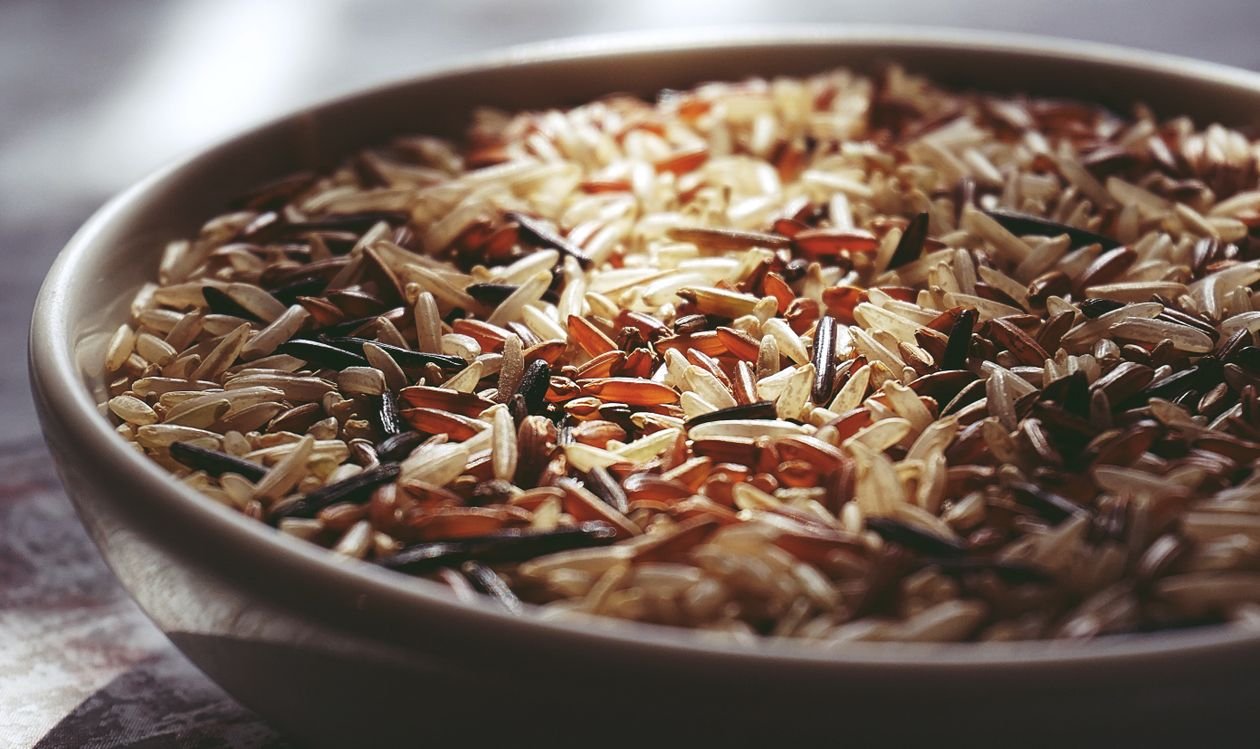
Wild rice is not technically rice at all. It is the seed of an aquatic grass, with a dark colour, a chewy texture, and a rich, earthy flavour. It is higher in protein and fibre than white rice. It costs more and takes longer to cook, so many people mix a little of it with brown or basmati rice to enjoy its flavour without the higher price.
Basmati rice: fragrant and lighter
Basmati is a long grain rice famous for its fragrance and fluffy texture, and white basmati is a popular choice for curries and pilafs. Brown basmati is also available, combining the aroma of basmati with the fibre of a whole grain. If you love basmati, brown basmati is a simple upgrade that keeps the flavour you enjoy.
Fibre and Whole Grains: Why They Matter
Fibre is a main reason whole grain rice beats refined rice. It slows digestion, helping you feel full for longer and keeping your energy steadier, while supporting comfortable digestion and feeding the friendly bacteria in your gut.
Whole grains keep all three parts of the grain: the bran, the germ, and the starchy centre. Refined grains keep only the starchy centre, which is why brown and wild rice offer more fibre and nutrients. Even swapping white rice for brown rice a few times a week is a step in the right direction.
How Much Rice Should You Eat?
Portion size matters. Rice is energy dense, and it is easy to serve yourself far more than you need, especially straight from a big pot.
The fist-sized serving guide
A simple guide is a fist-sized serving of cooked rice, roughly one cup for most adults. Your fist is roughly in proportion to your body, so it works as a personal guide anywhere.
Building the plate around rice
Give rice about a quarter of your plate. Fill half the plate with vegetables or salad, and the remaining quarter with a protein food such as chicken, fish, eggs, beans, or lentils. If you are still hungry, add more vegetables first. They add volume, colour, and nutrients without adding much energy. For more ideas on balancing your meals, see our guide to https://healthsy.org/healthy-eating-energy/.
Pairing Rice With Vegetables and Protein
Rice on its own is mostly carbohydrate, so pairing it with vegetables and protein turns a simple starch into a balanced, satisfying meal.
Vegetables bring fibre, vitamins, minerals, and crunch to a rice dish. Stir fried broccoli, spinach, carrots, peppers, or green beans all work well, as does a fresh salad. Aim for at least two different vegetables when you can.
Protein helps you feel satisfied after eating. Good partners for rice include grilled chicken, fish, eggs, tofu, lentils, chickpeas, and beans. Rice with lentils or beans is a classic combination, filling, complete, and affordable.
Cooling Cooked Rice: A Simple Trick Worth Knowing
When cooked rice is cooled and then eaten cold or reheated, some of its starch changes into resistant starch, which behaves a bit like fibre in your gut and can help you feel fuller. That is one reason rice salads and leftover rice stir fries can be a smart choice.
Cook your rice, let it cool, and store it in the fridge. Reheat it the next day, or use it cold in a salad. Always store cooked rice safely: cool it quickly, use it within a day or two, reheat until steaming hot, and do not reheat it more than once.
Simple Healthy Rice Meals
You do not need complicated recipes to eat rice the healthy way. A brown rice bowl with grilled chicken, roasted vegetables, and yoghurt makes a complete meal in one bowl. A vegetable stir fry with tofu and brown rice is quick and filling. A basmati pilaf with chickpeas, spinach, and lemon is light but satisfying.
For a packed lunch, try a cold rice salad: cooled brown rice with chopped cucumber, tomatoes, chickpeas, herbs, and a drizzle of olive oil. It travels well. If you are watching your weight and wondering how rice fits in, our article on https://healthsy.org/is-rice-good-for-weight-loss/ looks at that question in more detail.
Conclusion
Healthy eating rice is not about giving up a food you love, but making smarter choices around it. Choose whole grain rice more often, keep your portion to a fist-sized serving, and fill the rest of your plate with vegetables and protein. Rice has been part of healthy diets for generations, and with a little thought, it can be part of yours too.
Is brown rice healthier than white rice?
Yes. Brown rice is a whole grain, so it keeps its bran and germ, which means more fibre, B vitamins, and minerals than white rice. White rice is still fine in modest portions with vegetables and protein, but brown rice offers more nutrition for the same amount of food.
How much rice should I eat in one meal?
A fist-sized serving, roughly one cup of cooked rice, is a good guide for most adults. Give rice about a quarter of your plate, half to vegetables, and the rest to a protein food. If you are still hungry, add more vegetables first.
Is it safe to eat cooled and reheated rice?
Yes, if you store and reheat it properly. Cool it quickly, keep it in the fridge, and use it within a day or two. Reheat until steaming hot all the way through, and do not reheat it more than once.
Can I eat rice every day as part of a healthy diet?
Yes, many people eat rice every day as part of a healthy diet. The key is variety and balance: choose whole grain rice when you can, keep portions sensible, and pair rice with vegetables and protein. If you have a medical condition or questions about your diet, speak to a qualified healthcare professional.
Disclaimer: This article is for general information only and is not medical advice. It is meant to help you learn about everyday foods and healthy eating habits. If you have a medical condition, or questions about your diet, please speak to a qualified healthcare professional.