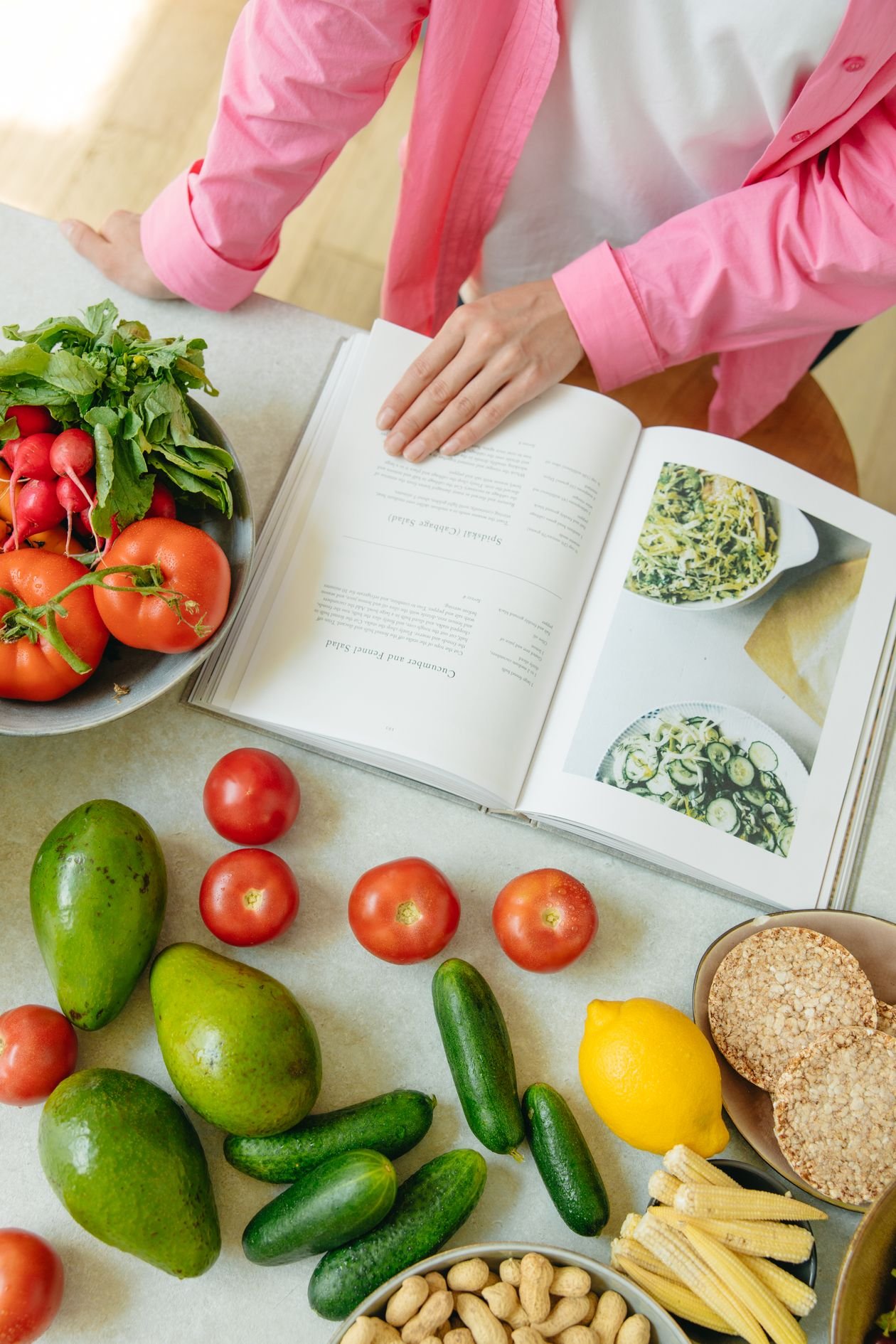
Losing weight does not have to mean boring food, skipped meals, or feeling hungry all day. The people who succeed in the long term are usually the ones who find healthy meals they actually enjoy. When food tastes good and keeps you full, healthy eating stops feeling like a punishment and becomes a normal, pleasant part of your day.
That is what healthy recipe ideas for weight loss are really about. They are not strict diet plans or complicated recipes with twenty ingredients. They are simple, everyday meals built around vegetables, lean protein, whole grains, and healthy fats, cooked in a way that keeps flavour first. With a few smart swaps and a little planning, you can enjoy breakfast, lunch, dinner, and snacks that support your goals without leaving you tired, bored, or craving everything you gave up.
Why Healthy Recipes Make Weight Loss Easier
Many weight loss plans fail because they rely on willpower alone. If you eat tiny portions of food you do not like, it is only a matter of time before you give up. A good healthy recipe works the other way around. It fills your plate, satisfies your taste buds, and still fits comfortably into a balanced day of eating.
The secret is choosing foods that give you plenty of volume and nutrition for relatively few calories. Vegetables, salads, soups, beans, lentils, eggs, fish, chicken, yoghurt, and fruit all help here. They add bulk, fibre, and protein, which helps you feel full for longer. When you feel full, you are less likely to snack mindlessly or take a second helping out of habit rather than hunger. Healthy recipes also help you stay consistent. If you know what you will cook, you are less tempted by takeaways, you save money, and you build a routine you can keep going week after week.
The Building Blocks of a Weight Loss Friendly Meal
You do not need to count every calorie to build a good weight loss meal. Fill about half your plate with vegetables or salad, a quarter with lean protein, and a quarter with a whole grain or starchy vegetable. Add a small amount of healthy fat for flavour and satisfaction.
Choose Lean Protein at Every Meal
Protein helps you feel full and supports your muscles as you lose weight. Good choices include eggs, Greek yoghurt, cottage cheese, chicken, turkey, fish, tofu, beans, lentils, and chickpeas. Try to include protein at breakfast, lunch, and dinner rather than saving it all for one meal. A protein-rich breakfast often keeps you satisfied until lunch far better than toast or cereal alone.
Fill Half Your Plate with Vegetables
Vegetables add colour, crunch, fibre, and volume without many calories. Leafy greens, tomatoes, cucumbers, carrots, peppers, broccoli, cauliflower, courgettes, and mushrooms can be roasted, stir-fried, added to soups, or eaten raw in salads. Frozen vegetables are just as useful as fresh ones and are perfect for quick weeknight cooking.
Pick Whole Grains and Fibre-Rich Foods
Whole grains and high-fibre foods digest more slowly, which helps you stay full. Oats, brown rice, whole wheat bread, quinoa, and sweet potatoes are good staples to keep at home. Fibre from beans, lentils, fruit, and vegetables also supports digestion. For more everyday food ideas, see our guide on healthy foods to eat every day.
Use Healthy Fats in Small Amounts
Fat is not the enemy, but it is very energy dense, so a little goes a long way. A drizzle of olive oil, a spoonful of peanut butter, a small handful of nuts, or a quarter of an avocado can make a meal taste much better. Measure roughly rather than pouring freely, especially with oils and dressings, where calories can add up quickly without you noticing.
Healthy Breakfast Recipe Ideas for Weight Loss
Breakfast sets the tone for the day. A filling breakfast with protein and fibre can help you avoid mid-morning cravings and overeating at lunch.
Veggie Egg Muffins
Whisk eggs with chopped spinach, tomatoes, and mushrooms, pour into a muffin tray, and bake until set. Make a batch on Sunday and reheat them during the week. Pair them with a piece of fruit for a complete breakfast.
Overnight Oats with Berries
Mix rolled oats with milk or yoghurt, chia seeds, and cinnamon in a jar, and leave it in the fridge overnight. In the morning, top it with fresh berries and a few nuts. It is creamy, sweet, and filling, and you can change the toppings through the week. For more morning inspiration, see our guide on the best breakfast for weight loss.
Greek Yoghurt Bowl
Top plain Greek yoghurt with sliced banana, berries, a spoonful of oats, and a sprinkle of seeds. This takes less than five minutes, gives you protein and fibre, and feels like a treat. Choose plain yoghurt rather than flavoured versions, which are often much sweeter.
Healthy Lunch Recipe Ideas for Weight Loss
Lunch needs to be filling enough to carry you through the afternoon, but not so heavy that you feel sleepy afterwards. Salads, soups, wraps, and grain bowls all work well.
Chickpea and Vegetable Salad Bowl
Toss chickpeas with cucumber, tomatoes, red onion, peppers, and leafy greens, then dress with lemon juice, olive oil, and herbs. Add a boiled egg or a little feta cheese if you like. This salad is fresh, crunchy, high in fibre, and easy to pack for work.
Lentil and Vegetable Soup
Cook red lentils with onions, carrots, tomatoes, garlic, and gentle spices until soft, then blend part of the soup for a thick texture. A warm bowl of soup feels generous and satisfying. Serve it with a small slice of whole wheat bread.
Chicken and Quinoa Grain Bowl
Combine cooked quinoa with grilled chicken, roasted vegetables, and a simple yoghurt and herb dressing. Grain bowls are easy to customise with whatever you have in the fridge. If you want more protein-rich lunch ideas, explore our high protein recipes for weight loss.
Healthy Dinner Recipe Ideas for Weight Loss
Dinner is often where portions grow and healthy intentions fade, especially after a long day. Keeping a few quick, reliable recipes on hand makes all the difference.
Sheet Pan Chicken and Vegetables
Place chicken on a baking tray with broccoli, carrots, courgettes, and peppers, drizzle with a little olive oil, add herbs and lemon, and roast until cooked through. Everything cooks in one pan, washing up is minimal, and you get a balanced, colourful dinner with very little effort.
Stir-Fried Tofu with Vegetables and Brown Rice
Stir-fry tofu with mixed vegetables, garlic, ginger, and a light soy-based sauce, and serve with a small portion of brown rice. Tofu soaks up flavour beautifully, and the vegetables add volume and crunch. This is a great meat-free dinner that still feels hearty.
Baked Fish with Roasted Sweet Potatoes
Bake fish with lemon and herbs, and serve it with roasted sweet potato wedges and a green salad. Fish cooks quickly, sweet potatoes add natural sweetness and fibre, and the whole meal feels light but complete.
Healthy Snack Ideas That Keep You Full
Snacks are not the problem. The problem is usually snacks high in calories but low in satisfaction, such as crisps and biscuits, which leave you hungry again within minutes. A good snack combines protein, fibre, or healthy fat. Try apple slices with peanut butter, carrot sticks with hummus, a boiled egg, Greek yoghurt with berries, or air-popped popcorn with a pinch of salt. Keep portions modest, eat slowly, and notice whether you are truly hungry or simply bored, tired, or thirsty.
Meal Prep Ideas That Save Time
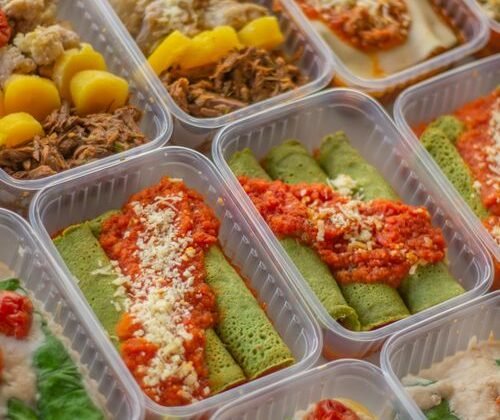
Meal prep does not mean cooking every meal for the whole week in one exhausting session. It means doing a little work in advance so healthy choices become the easy choices. Cook a few basics in bulk: a pot of brown rice or quinoa, a tray of roasted vegetables, a batch of lentil soup, and some grilled chicken or boiled eggs. Store them in separate containers, then mix and match them into different meals during the week. Prep breakfast the night before, chop vegetables for the next day, and keep healthy snacks ready to grab. For a full step-by-step approach, see our guide on meal prep ideas for weight loss.
Common Mistakes to Avoid
Even with the best intentions, a few small habits can quietly hold back your progress. First, watch portions of healthy but energy-dense foods. Nuts, seeds, avocado, olive oil, cheese, and dried fruit are nutritious, but high in calories, so a small portion is usually enough. Second, be careful with sauces and dressings. A salad can quickly become heavy under a creamy dressing, so choose lighter options such as lemon, vinegar, yoghurt, or a little olive oil. Third, do not drink your calories without noticing. Sugary drinks, flavoured coffees, and fruit juices can add a surprising amount of energy without making you feel full. Finally, avoid skipping meals to save calories. Skipping meals often leads to intense hunger later, which makes overeating much more likely.
How to Make Any Recipe Lighter
You do not need a new cookbook to eat well for weight loss. Use cooking spray or a measured spoonful of oil instead of pouring oil freely. Choose grilling, baking, roasting, or steaming instead of deep frying. Swap half the pasta or rice for extra vegetables. Use herbs, spices, garlic, lemon, and chilli to add flavour without adding calories. Try replacing cream-based sauces with tomato, yoghurt, or vegetable-based sauces, and choose whole grains instead of refined versions where you can. Small changes like these add up over time, and because the food still tastes familiar, you are far more likely to keep cooking this way.
Conclusion
Healthy recipe ideas for weight loss work best when they are simple, tasty, and realistic for your everyday life. You do not need perfect meals, expensive ingredients, or hours in the kitchen. You need a few reliable breakfasts, lunches, dinners, and snacks that you enjoy, built around vegetables, lean protein, whole grains, and healthy fats, with portions that leave you satisfied rather than stuffed. Start small. Pick one or two recipes from this guide and try them this week. Over time, those small, steady choices become a routine, and that routine becomes the foundation for lasting, healthy weight loss.
What are the best healthy recipe ideas for weight loss for beginners?
Start with simple meals you already know how to cook, such as soups, salads, stir-fries, sheet pan dinners, and overnight oats. Focus on adding vegetables and lean protein, keeping portions balanced, and choosing recipes with only a few everyday ingredients so cooking feels easy.
Can I still eat carbs while trying to lose weight?
Yes, you can. Whole grains such as oats, brown rice, quinoa, and whole wheat bread provide fibre and help you feel full. Fill half your plate with vegetables, add lean protein, and keep the grain portion to about a quarter of the plate.
How can I make healthy recipes taste better?
Use herbs, spices, garlic, ginger, lemon, lime, and chilli to add flavour without extra calories. Roasting vegetables brings out their natural sweetness, and a small amount of healthy fat such as olive oil or avocado can make a meal feel much more satisfying.
How often should I try new healthy recipes for weight loss?
Try one or two new recipes each week and keep the ones you enjoy in regular rotation. Building a small collection of favourite healthy meals makes cooking faster, shopping simpler, and healthy eating much easier to stick with.
Disclaimer: This article is for general information and wellness purposes only. It is not medical advice and is not a substitute for professional healthcare guidance. If you have a health condition, dietary restrictions, or concerns about weight loss, please speak with a qualified healthcare professional before making changes to your diet or lifestyle.