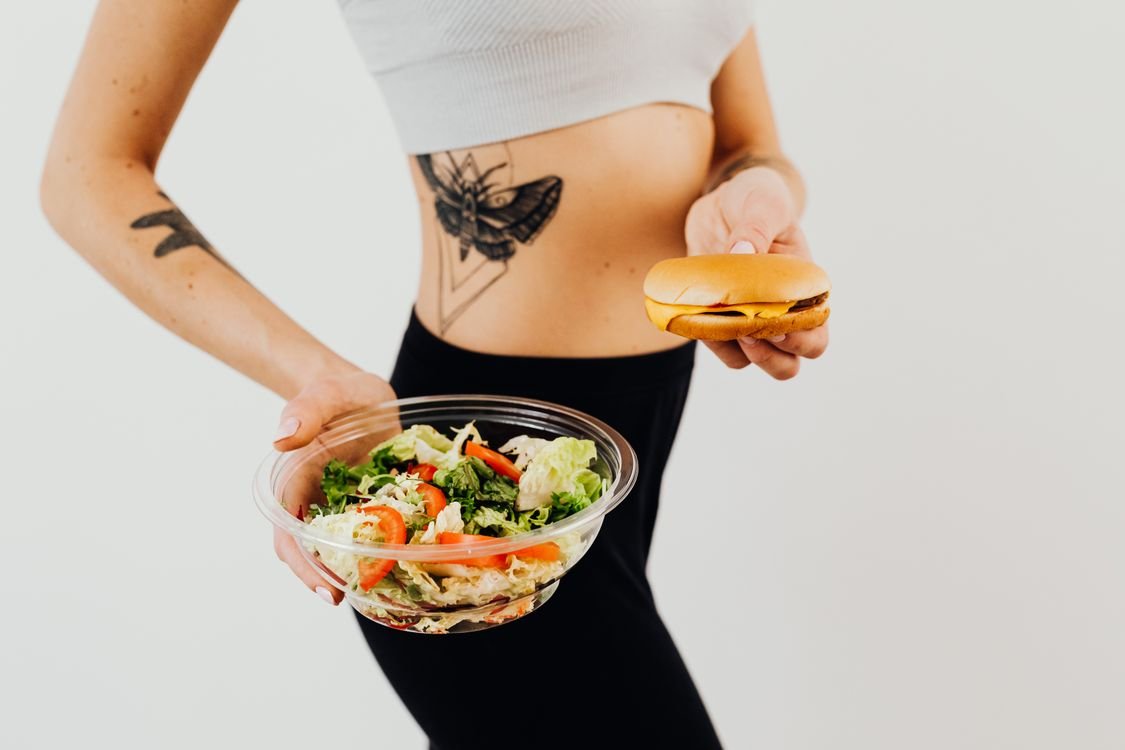
Life gets busy. Some days the meeting runs long, the kids need picking up, the fridge is empty, or you are simply too tired to cook — and the glowing sign of a fast food restaurant feels like the easiest answer. If that sounds familiar, you are not alone, and you are certainly not doing anything wrong. Fast food is part of modern life, and healthy eating at fast food is not about being perfect. It is about knowing how to make the better choice when the easy choice is right in front of you.
The good news is that most fast food menus today offer more options than they used to. Grilled chicken, salads, wraps, fruit cups, and water are sitting right next to the fries and milkshakes. With a little know-how, you can walk out of a fast food restaurant feeling satisfied instead of sluggish — and still enjoy the food you ordered. This guide will show you how.
Why Fast Food Feels So Hard to Navigate
Fast food is designed to be tempting. The smell of fries, the bright menu boards, the combo deals that make the larger size feel like a bargain — everything nudges you toward more food than you planned to eat. Meals are often built around refined bread, fried items, sugary drinks, and salty sauces, which means a single meal can quietly pack in far more calories, sodium, and added sugar than you might expect.
That does not mean fast food is forbidden. It means it helps to go in with a plan. When you already know roughly what you want before you reach the counter, you are far less likely to be swayed by the upsell or the limited-time special. A few seconds of thinking ahead can turn a rushed meal into a genuinely decent one.
It also helps to drop the all-or-nothing mindset. One fast food meal does not ruin a healthy lifestyle, just as one salad does not create one. What matters is the pattern — the choices you make most of the time. Learning healthy eating at fast food is simply about stacking the odds in your favour, one meal at a time.
A Simple Framework for Building a Better Fast Food Meal
You do not need to memorise the nutrition facts of every menu item. A simple three-part framework will get you most of the way there: protein, produce, and portion awareness. Keep those three in mind and almost any fast food order improves.
Start with protein
Protein is what keeps you full. Grilled chicken, a plain burger patty, grilled fish, beans, or eggs all work well. Grilled is usually a better pick than fried or breaded, because frying adds extra fat without adding much nutrition. If grilled is not available, a regular patty or a piece of fried chicken with the skin and breading partly removed is still a reasonable compromise. The goal is not perfection — it is a meal that actually satisfies you so you are not hungry again an hour later.
Add vegetables wherever you can
This is the easiest upgrade on almost any fast food menu, and it costs nothing. Ask for extra lettuce, tomato, onion, and pickles on your burger or sandwich. Choose a side salad instead of fries, or at least add a small salad to your meal. Order a wrap loaded with vegetables. Many restaurants will happily add fresh vegetables to any item if you ask. Vegetables add fibre, crunch, and volume to your meal, which means you feel fuller while eating fewer calories overall. For ideas on the kinds of vegetables worth eating often, see our guide on leafy vegetables for weight loss.
Watch the extras
Sauces, cheese, bacon, and sugary drinks are where a reasonable meal can quietly become a heavy one. A single packet of mayonnaise or a ladle of special sauce can add as many calories as a small snack. That does not mean you must give them up entirely — it means it pays to be choosy. Ask for sauce on the side, or choose mustard, salsa, or a light dressing instead. Skip the extra cheese on most days, and save the bacon as an occasional treat rather than a default topping.
Smart Swaps at Common Fast Food Restaurants
Different restaurants have different strengths, but the same principles apply everywhere. Here are practical swaps for the places you are most likely to visit.
Burger joints
A classic hamburger or cheeseburger is often a better choice than a double or triple patty stacked with bacon and sauce. Order a single patty, load it with vegetables, and hold the mayonnaise or ask for it on the side. Swap the fries for a side salad or a fruit cup when one is offered. And if you really want the fries, order the small size and enjoy every bite — a small portion of something you love beats a large portion eaten mindlessly.
Chicken restaurants
Grilled chicken sandwiches and grilled chicken strips are your friends here. A grilled chicken sandwich on a whole grain bun with lettuce and tomato is a solid, filling meal. If you prefer fried chicken, choose the smaller pieces, remove the skin where you can, and balance the plate with a side of green beans, corn, or a salad instead of mashed potatoes with gravy and a biscuit. Skip the honey mustard and barbecue sauce if you can, or use just a little — they are mostly sugar.
Taco and Mexican-style places
These restaurants can be surprisingly friendly to healthy eating. A burrito bowl with grilled chicken or beans, brown rice, vegetables, and salsa is a balanced meal. Soft tacos with grilled fillings beat hard shells loaded with cheese and sour cream. Ask for extra vegetables, go easy on the cheese and sour cream, and choose guacamole in a modest portion — it is made from a nutritious food, but it is energy-dense, so a little goes a long way. Water or sparkling water is a better partner than a large soda.
Sandwich shops
Sandwich shops give you the most control, so use it. Choose whole grain bread, load up the vegetables, pick a lean filling like turkey, chicken, or tuna, and skip the extra cheese and creamy dressings. A six-inch sandwich with a side salad or a piece of fruit is often plenty, especially if you are not very hungry. Watch the “healthy-sounding” wraps too — some are larger than a sandwich and contain just as many calories once the sauce and cheese are counted. For a refresher on building balanced meals at home, our healthy eating guide is a useful companion.
Salad bars and bowl places
Salads sound like the safest choice, and they can be — but the dressing and toppings decide everything. A salad loaded with fried chicken strips, cheese, croutons, and creamy ranch can contain more calories than a burger. Build your salad around leafy greens and other vegetables, add a grilled protein, and choose a light vinaigrette or ask for dressing on the side. Nuts and seeds are great in small amounts, and a sprinkle of cheese is fine — it is the handfuls that add up.
Drinks, Sides, and Desserts: The Hidden Part of the Meal
The main dish gets all the attention, but drinks and sides often decide whether a fast food meal feels light or heavy. A large soda can contain as much sugar as several doughnuts, and because it is a liquid, it does almost nothing to fill you up. Water is the simplest upgrade you can make, and most restaurants offer it free or cheaply. Unsweetened iced tea, sparkling water, or a small diet soda are reasonable alternatives if you want something with flavour.
Sides follow the same logic. Fries are delicious, and nobody is suggesting you never eat them — but a small portion shared with a friend, or swapped for a salad or fruit on most visits, makes a real difference over time. The same goes for desserts. A milkshake can contain more calories than the meal itself, so if you want something sweet, a small ice cream cone or a fruit cup is a lighter way to finish. You can also simply save dessert for another time, when you can enjoy it slowly instead of rushing it after a big meal.
How to Read the Menu Like a Nutrition Label
Most large fast food chains publish nutrition information online and on their apps, and learning to skim it is a skill worth having. You do not need to study every number. Just look for three things: calories, sodium, and added sugar. Comparing two similar items side by side often reveals a surprising gap — a grilled sandwich may have half the sodium of its fried twin, or a small fries may save you hundreds of calories compared with the large.
Nutrition information also helps you spot the “health halo” — items that sound light but are not. A smoothie made mostly from sweetened juice, a salad drenched in creamy dressing, or a wrap stuffed with fried fillings can all be heavier than they look. If you are trying to understand the labels on packaged foods too, our guide to reading nutrition facts labels explains what to look for.
Planning Ahead Makes Healthy Choices Easier
The single best trick for healthy eating at fast food is deciding before you arrive. Most chains list their full menus and nutrition facts online, so a two-minute check before you leave the house lets you pick your order calmly instead of deciding under pressure at the counter. Many apps also let you customise your order — extra vegetables, no mayo, dressing on the side — before you even get there.
It also helps to think about the rest of your day. If you know lunch will be fast food, you can balance it with a lighter breakfast or a home-cooked dinner full of vegetables. Healthy eating is a whole-day, whole-week picture, not a single meal. A fast food lunch does not cancel out a nutritious dinner, and a nutritious breakfast does not give you a free pass to overdo it at lunch either. Balance works in both directions.
Another practical tip is to eat slowly, even when you are in a hurry. Fast food is designed to be eaten fast, but your body needs a little time to register fullness. Putting your food down between bites, chewing properly, and pausing halfway through your meal to check whether you are still hungry can stop you from finishing a portion that was more than you needed.
Enjoying Fast Food Without the Guilt
Perhaps the most important part of healthy eating at fast food has nothing to do with the menu at all. It is your attitude. Food is not only fuel — it is comfort, celebration, and connection. Sometimes fast food is the meal shared with friends after a long day, or the treat your kids have been looking forward to all week. Those moments matter, and enjoying them is part of a healthy relationship with food.
Guilt, on the other hand, rarely helps anyone eat better. It usually leads to either giving up entirely or swinging between strict restriction and overeating. A kinder approach works better: enjoy the meal, notice how it makes you feel, and make the next choice a good one. If a fast food meal leaves you feeling heavy and tired, that is useful information, not a reason to feel bad about yourself. Next time, you might choose the grilled option, the smaller fries, and the water — not as a punishment, but because you know you will feel better afterwards.
Conclusion
Healthy eating at fast food is not about finding the one perfect menu item or swearing off your favourite restaurant forever. It is about a handful of simple habits: choosing grilled over fried when you can, adding vegetables, going easy on sauces and sugary drinks, watching portions, and planning ahead when possible. Those small choices add up, and they let you enjoy fast food as part of a balanced life instead of feeling like it is working against you.
The next time you find yourself at a fast food counter, remember the framework: protein, produce, and portion awareness. Pick something you will genuinely enjoy, make one or two smart swaps, and move on with your day. That is what healthy eating really looks like — not perfection, but a pattern of good choices made most of the time.
Is fast food ever a healthy choice?
Some fast food meals can fit well into a balanced diet, especially ones built around grilled protein, vegetables, and whole grains. A grilled chicken sandwich with a side salad and water, for example, can be a perfectly reasonable meal. The key is how often you eat fast food and what you choose when you do — an occasional balanced fast food meal is very different from daily meals built on fried food and sugary drinks.
What is the healthiest thing to order at a fast food restaurant?
There is no single healthiest item, but grilled chicken or fish with vegetables is usually a strong choice. A salad with grilled protein and a light dressing, a burrito bowl with beans or grilled chicken and plenty of vegetables, or a simple sandwich loaded with vegetables all work well. In general, look for items that are grilled rather than fried, rich in vegetables, and modest in sauces, cheese, and added sugar.
How can I eat healthy at fast food when I am trying to lose weight?
Focus on portions and swaps. Choose the smaller size of fries or skip them for a salad, pick water instead of soda, and choose grilled protein over fried. Eat slowly and stop when you feel comfortably full rather than finishing everything out of habit. It also helps to check the nutrition information online before you order, so you can pick an option that fits comfortably into the rest of your day. If you want general guidance on balanced meals, our healthy eating guide may help.
Should I avoid fast food completely?
For most people, there is no need to avoid fast food completely. Food choices are about patterns over time, not single meals. An occasional fast food meal enjoyed with friends or family can be part of a balanced lifestyle. What matters more is what you eat most of the time, and making the better choice when fast food is on the menu. If you have a specific health condition, it is worth talking with a healthcare professional about what eating patterns suit you best.
Disclaimer: This article is for general information and wellness purposes only. It is not medical advice and is not a substitute for professional medical advice, diagnosis, or treatment. If you have a health condition or specific dietary needs, please consult a qualified healthcare professional before making changes to your diet.