
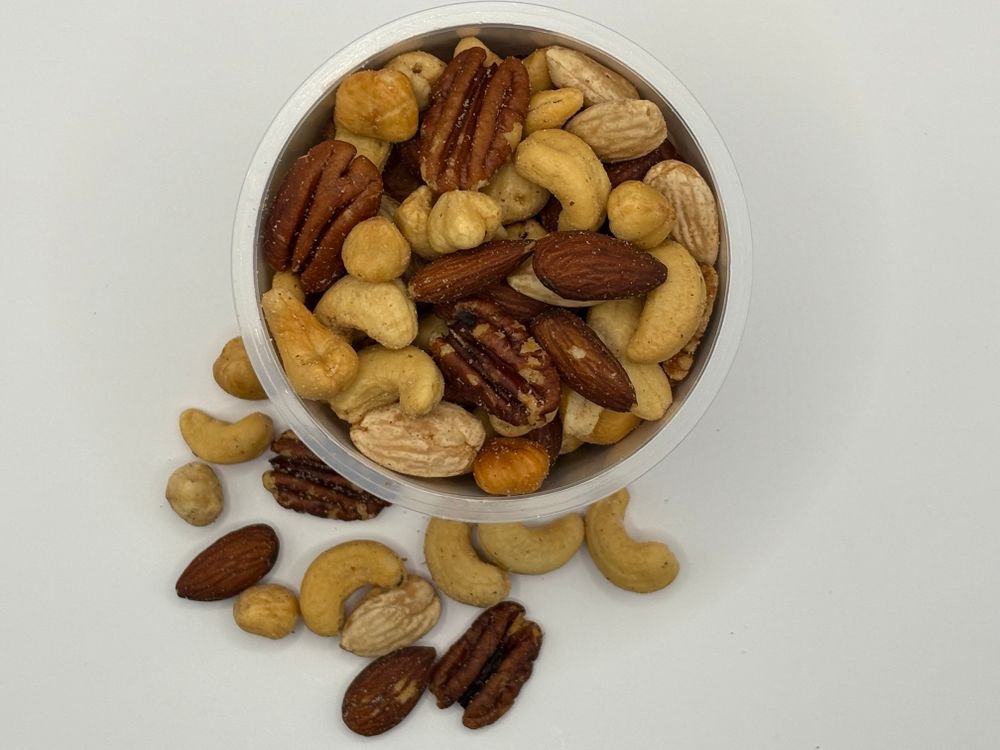
There is something quietly satisfying about a small bowl of nuts. They crunch, they fill you up, and they feel like a real snack rather than something that leaves you hungry again ten minutes later.
But walk down the snack aisle and the choice can feel overwhelming. Almonds, walnuts, cashews, pistachios, pecans, hazelnuts, Brazil nuts — they all look good, and they all claim to be healthy. So which ones are actually worth eating regularly? The honest answer is that most plain, unsalted nuts are a good choice. They are whole foods, rich in healthy fats, fibre, protein, and a range of vitamins and minerals.
This guide looks at the nuts that are healthy to eat every day, what makes each one special, and how to enjoy them without overdoing it.
Why Nuts Are Such a Smart Snack
Nuts are one of the few snacks that manage to be both filling and genuinely nourishing. A small handful gives you a mix of nutrients that most snack foods simply cannot match.
Healthy fats that keep you satisfied
Most of the fat in nuts is the unsaturated kind — the type that helps you feel full and satisfied after eating. That is why a modest handful of almonds can carry you through to dinner far better than a biscuit or a packet of crackers.
Fibre, protein, and staying power
Nuts also bring fibre and a little protein to the table. Fibre supports comfortable digestion, while protein adds to that feeling of fullness. Together, they are the reason nuts work so well as a between-meals snack or as part of a balanced breakfast.
A useful source of everyday nutrients
Different nuts bring different strengths. Some are rich in vitamin E, others in magnesium, selenium, or plant compounds that give them their colour and flavour. Eating a variety of nuts over the week is an easy way to cover more nutritional ground than sticking to just one kind. If you are building a generally healthy plate, nuts fit naturally alongside the foods in our guide to healthy foods to eat every day — whole, simple foods that do not need much dressing up.
The Healthiest Nuts to Eat
Here are the standouts — the nuts that are healthy to eat on a regular basis, and what each one brings to your snack bowl.
Almonds: the everyday all-rounder
Almonds are the nut most people reach for first, and for good reason. They are rich in vitamin E, magnesium, and fibre, and they have a mild flavour that works in almost anything — breakfast bowls, salads, smoothies, or eaten plain. Almond butter spread on toast or apple slices is a simple way to turn a light bite into something more filling.
Walnuts: the brain-shaped favourite
Walnuts are easy to spot with their wrinkled, brain-like shape, and they are the only common nut that is notably rich in plant-based omega-3 fats. They have a slightly bitter, earthy flavour that pairs beautifully with fruit and salads. Try them scattered over porridge or eaten with a few slices of pear for an afternoon snack that feels a little special.
Pistachios: the snack that slows you down
Pistachios have a natural advantage: they come in shells. Cracking each one open slows you down, which makes it easier to notice when you have had enough. Inside the shell you get fibre, protein, potassium, and vitamin B6. They are wonderful tossed into salads, crushed over yoghurt, or eaten straight from the bowl.
Cashews: creamy and comforting
Cashews are softer and creamier than most nuts, with a sweet, buttery flavour that makes them a favourite in cooking. They provide magnesium, zinc, and iron, and they blend into sauces and curries beautifully. Because they are so easy to eat, they are also easy to overeat — a small handful is plenty. If you enjoy creamy textures, cashews are a good choice, especially alongside other protein-rich foods.
Brazil nuts: small in number, big in selenium
Brazil nuts are famous for one thing above all: selenium. Just one or two can provide a generous amount of this mineral, which is why they are best eaten in small numbers rather than by the handful. Think of them as a garnish — a couple chopped into a trail mix or over breakfast goes a long way.
Hazelnuts: sweet, toasty, and versatile
Hazelnuts have a warm, sweet flavour that works beautifully with chocolate, coffee, and fruit — but they are just as good on their own. They offer vitamin E, fibre, and healthy fats, and they add a lovely crunch to salads and baked dishes.
Pecans: buttery and rich
Pecans are soft, buttery, and slightly sweet, with a flavour that feels made for autumn baking. They are rich in healthy fats and fibre, and a small handful works well in salads, oatmeal, or a trail mix.
How to Choose the Healthiest Nuts
Not all nuts on the shelf are equal. A few simple choices make a big difference.
Raw or dry-roasted beats coated and salted
The healthiest nuts are plain: raw, or dry-roasted with nothing added. Heavily salted, honey-roasted, or sugar-coated nuts can turn a wholesome snack into something closer to a sweet treat. If you love roasted nuts, look for ones roasted without added oils or salt.
Check the ingredient list
A good bag of nuts should list just one ingredient: the nut itself. If the list runs long with added oils, sugars, flavourings, or preservatives, you are paying for extras your body does not need. Keep it simple, and the nuts will speak for themselves.
Store them well
Because nuts contain natural oils, they can go stale if left in a warm cupboard for months. Keep them in an airtight container in a cool, dry place, and use the fridge for larger quantities.
Easy Ways to Enjoy Nuts Every Day
You do not need a recipe to enjoy nuts, but a little variety keeps them interesting.
Sprinkle chopped walnuts or almonds over your morning porridge or yoghurt. Toss pistachios and cashews into a salad for crunch. Blend a spoonful of natural nut butter into a smoothie. Keep a small container of mixed nuts in your bag for busy afternoons. Or make a simple trail mix at home with a few different nuts and some dried fruit — you control what goes in.
Nuts also sit happily alongside fresh fruit, which makes for a balanced snack: the fruit brings sweetness and hydration, and the nuts bring staying power. For more ideas on building snacks around whole foods, see our guide to healthy eating.
A Note on Portions
Nuts are nourishing, but they are also energy-dense — a small amount carries a lot of energy. That is not a problem; it is simply a reason to enjoy them in modest amounts. A small handful is a good everyday portion for most people. Eating them slowly helps you enjoy them more and notice when you are satisfied.
Conclusion
The nuts that are healthy to eat are the plain, simple ones: almonds, walnuts, pistachios, cashews, Brazil nuts, hazelnuts, and pecans. Each has its own strengths, and the best approach is to enjoy a variety across the week rather than relying on a single favourite. Choose raw or dry-roasted nuts, keep portions to a small handful, and let them be part of a balanced way of eating.
Are nuts good for everyday snacking?
Yes, plain unsalted nuts make a good everyday snack for most people. They are filling, nourishing, and easy to carry. A small handful is a sensible portion, and choosing raw or dry-roasted nuts keeps things simple.
Which nut is the healthiest overall?
There is no single winner. Almonds are a great all-rounder, walnuts stand out for plant omega-3 fats, and pistachios are rich in fibre. Eating a variety of nuts across the week gives you a broader mix of nutrients than sticking to one kind.
How many nuts should I eat in a day?
A small handful a day is a good general guide for most people. Because nuts are energy-dense, a modest portion gives you their benefits without crowding out other foods. If you have specific health concerns, a healthcare professional can help you decide what suits you.
Are salted or honey-roasted nuts still healthy?
They are less healthy than plain nuts. Salted, honey-roasted, and sugar-coated nuts add sodium or sugar that plain nuts do not have. If you enjoy them, they are fine as an occasional treat, but raw or dry-roasted nuts are the better everyday choice.
Disclaimer: This article is for general information only and is not medical advice. It is meant to help you learn about everyday foods and healthy eating habits. If you have allergies, a medical condition, or questions about your diet, please speak to a qualified healthcare professional.