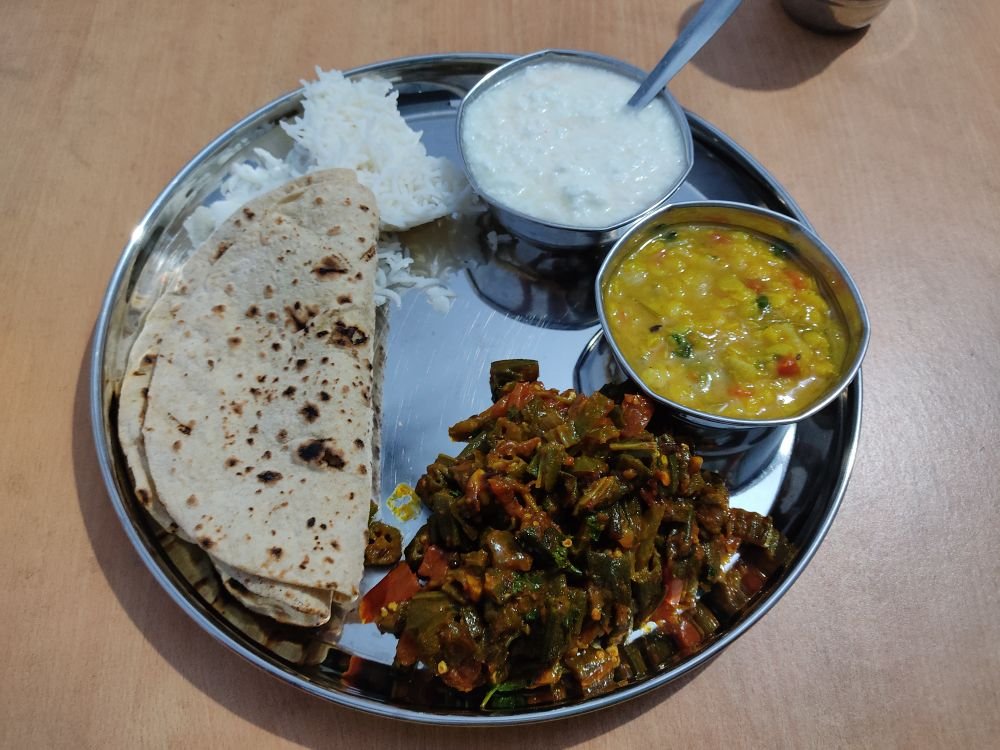
Indian food is one of the great joys of eating well. It is colourful, full of flavour, and built around foods that have nourished people for generations: lentils, beans, vegetables, whole grains, yoghurt, and spices.
Healthy eating Indian style does not mean giving all of that up. It means keeping the dishes you love and making a few smart choices about how they are cooked and served. The difference between a heavy meal and a balanced one often comes down to the oil, the bread, and what fills most of the plate.
Why Indian Food Starts Ahead
Many traditional Indian meals are already built on foods that dietitians praise.
Lentils, beans, and pulses
Dal, chana, rajma, and moong are the backbone of Indian cooking. They give you plant protein and fibre, which help you feel full and satisfied. If you want more ways to build meals around whole foods, our guide to https://healthsy.org/healthy-eating/ has practical ideas that fit well with an Indian kitchen.
Vegetables in every form
Indian cooking treats vegetables with respect. A sabzi of spinach, cauliflower, okra, or green beans is the heart of the meal, not a side thought. Vegetables add fibre, colour, and variety, and they help balance the richer parts of a meal.
Spices that do more than add flavour
Turmeric, cumin, coriander, ginger, garlic, and chillies are what make Indian food taste like Indian food, and they let you cook with less salt and less fat while still getting a big, satisfying taste.
Yoghurt and fermented foods
Curd, raita, and buttermilk bring a cooling, creamy balance to spicy dishes. A bowl of plain curd adds protein and a gentle tang, while a cucumber raita turns a rich curry into something lighter.
Smart Swaps That Keep the Flavour
Healthy eating Indian style is mostly about small changes.
Whole wheat roti over fried breads
A plain whole wheat roti is a wonderful everyday bread. It is simple, filling, and goes with everything. Fried breads like poori and bhatura are delicious, but they soak up a lot of oil, so they work better as an occasional treat than an everyday habit.
Less oil and ghee in the tadka
The tadka, that sizzle of spices in hot oil, is where much of Indian cooking gets its character, and it does not need a lot of oil to work. One or two teaspoons is often enough to bloom the spices. Try measuring your oil instead of pouring freely, and use a non-stick pan so food does not stick.
Grilled tandoori over creamy curries
Tandoori chicken, fish tikka, and paneer tikka are excellent choices. They are cooked in the heat of the tandoor with yoghurt and spices, which gives them a smoky flavour without a heavy sauce. Creamy curries made with lots of butter, cream, or coconut milk are richer, so enjoy them less often, or make a lighter version at home with yoghurt instead of cream.
Brown rice, or simply less rice
Rice is a staple, and there is no need to cut it out. A smaller portion of rice with a bigger portion of dal and vegetables is an easy way to balance the plate. If you like, mix brown rice with white rice, or try millets like jowar and bajra, which add fibre and variety.
Building a Balanced Thali Plate
The thali is one of the best models for a balanced meal, bringing several foods together in one sitting. The trick is in the proportions.
Half the plate: vegetables and salad
Fill about half your plate with sabzi and a fresh salad of cucumber, tomato, onion, and lemon. These add bulk and fibre to the meal, so you feel satisfied without needing a second helping of the heavier dishes. For more ideas on vegetables that support a healthy weight, see our guide to https://healthsy.org/leafy-vegetables-for-weight-loss/.
A quarter dal, a quarter roti or rice
Dal, chana, rajma, egg, fish, chicken, or paneer takes up about a quarter of the plate. This is the part of the meal that keeps you full for hours, so give it a proper place rather than treating it as a small side. The remaining quarter is for your roti or rice: one or two rotis, or a modest bowl of rice, is enough when the rest of the plate is full. A small bowl of plain curd or raita completes the plate.
Healthier Everyday Dishes
You do not need special recipes to eat well. The everyday dishes of an Indian kitchen are already close to ideal.
Dal tadka, made with a modest tadka and plenty of lentils, is a perfect everyday dish. A dry sabzi, like bhindi, gobhi, or palak, cooked with onions, tomatoes, and spices, is light and full of flavour.
For breakfast, poha with peanuts and vegetables, upma with vegetables, or idli with sambar are all gentle, filling starts to the day. For a light dinner, khichdi made with moong dal and rice, with a side of curd, is comfort food that is also easy on the stomach.
If you are watching your weight, our collection of https://healthsy.org/healthy-recipe-ideas-for-weight-loss/ has plenty of light recipe inspiration that works alongside Indian cooking.
Portion Tips That Actually Work
Indian meals are generous, and generosity is part of the culture. But a few simple habits help you enjoy a full meal without overeating.
Serve yourself once, and wait a few minutes before deciding whether you want more. Use a smaller plate if you find yourself piling food high. Drink a glass of water before the meal, and keep a salad on the table so you can reach for it first.
Snacking matters too. A handful of roasted chana, a small bowl of curd, or a piece of fruit is a far better afternoon snack than fried namkeen.
Eating Out Without Undoing the Good Work
Restaurant Indian food is often richer than home cooking, because restaurants use more oil, butter, and cream. That does not mean you cannot enjoy it.
Choose tandoori or tikka dishes over creamy curries. Ask for a dry sabzi or a dal without extra butter. Pick a whole wheat roti instead of naan brushed with butter, and order a salad or raita to fill out the meal. Share a rich dish with the table instead of ordering one just for yourself.
Conclusion
Healthy eating Indian style is not a diet, and it is not about giving up the food you grew up with. Indian cuisine already gives you lentils, vegetables, spices, and yoghurt, a foundation that is hard to beat. The work is in the small choices: a whole wheat roti instead of a fried bread, a lighter tadka, a tandoori dish instead of a creamy curry, and a plate that is half vegetables.
Keep the flavours you love, make the swaps that feel easy, and let the balanced thali do the rest.
Is Indian food healthy?
Yes, traditional Indian food has a very healthy foundation. Lentils, beans, vegetables, whole grains, yoghurt, and spices are all nourishing foods. The health of a meal depends mostly on the oil, ghee, cream, and salt used, and on portion sizes.
What is the healthiest Indian dish to eat every day?
A simple dal with a dry sabzi, a whole wheat roti, and a bowl of curd is one of the healthiest everyday Indian meals. It gives you protein, fibre, vegetables, and whole grains in a balanced combination, and it is easy to make at home.
How can I make Indian curries healthier at home?
Use less oil in the tadka, choose tomato and onion based gravies over cream and butter based ones, and add more vegetables to the curry. Yoghurt or a little milk can replace cream in many recipes.
Is roti healthier than rice?
Both can be part of a healthy meal. Whole wheat roti adds fibre and is usually eaten in a controlled portion, while rice is easy to serve in a large amount. The best approach is a modest portion of either, with a plate that is half vegetables.
Disclaimer: This article is for general information only and is not medical advice. It is meant to help you learn about everyday foods and healthy eating habits. If you have a medical condition, or questions about your diet, please speak to a qualified healthcare professional.